Corn germ drying prepares the oil-rich embryo separated in maize wet milling for oil pressing or solvent extraction. Wet germ leaves the germ washing and press section with about half its weight as water and must be dried to a few percent moisture. Starch plants dry germ to sell it to oil mills or extract oil on site.
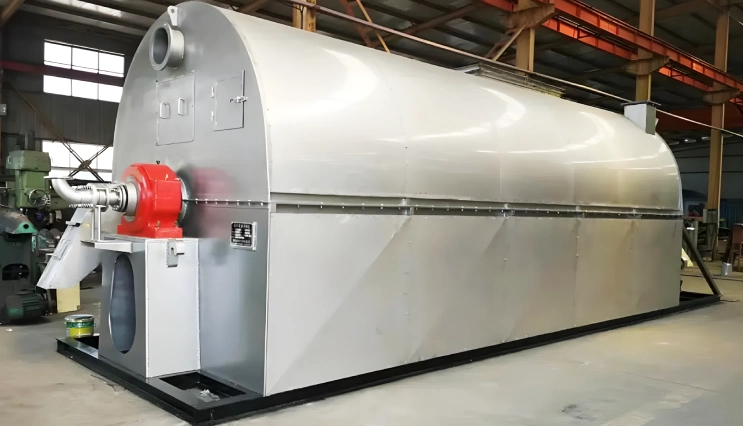
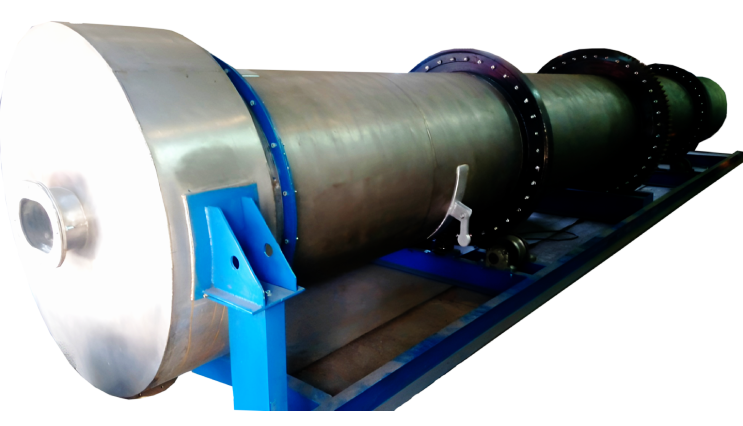
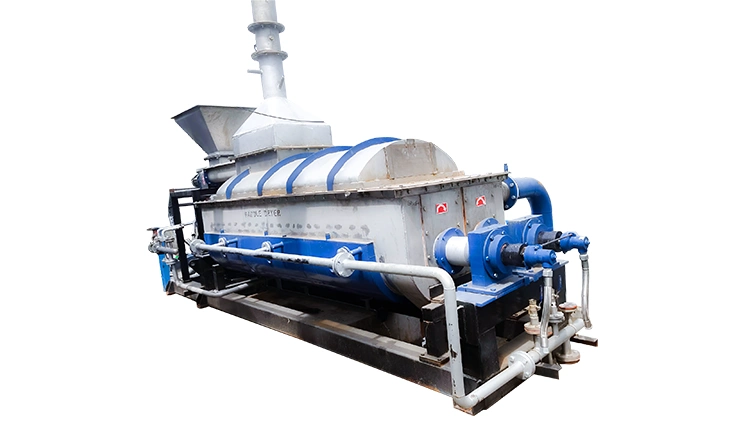
To dry corn germ, GEM recommends the Rotary Tube Bundle Dryer. Typical moisture is 50–55% in the feed and 2–4% after drying. Direct / Indirect Rotary Dryer and Paddle Dryer are used when the feed or site calls for it. Every project starts with a pilot trial on your own sample.
Steam-tube rotary dryers are the usual choice because they dry oily germ indirectly using plant steam, with low air flow and contained dust. A direct/indirect rotary or paddle dryer is considered for smaller plants or where steam supply is limited.
| Typical feed moisture | 50–55% |
| Typical target moisture | 2–4% |
| Recommended dryer | Rotary Tube Bundle Dryer |
| Alternatives | Direct / Indirect Rotary Dryer, Paddle Dryer |
| Application area | Pomace, Pulp & By-products |
| Industries | Animal Feed, Breweries & Distilleries, Agriculture & Grain Processing |
Dry, stable germ commands a better price from oil mills and can be stored without fatty acid build-up. On-site oil extraction becomes possible once germ is dried to a consistent low moisture.
Plants searching for a corn germ dryer or comparing a maize germ drying usually need three answers: which dryer fits, what it costs to run, and how fast it pays back. For Corn Germ, we start from your throughput, current moisture (typically 50–55%) and the target (2–4%), trial a sample on the Rotary Tube Bundle Dryer, and return a sized recommendation with a budget quotation for your animal feed and agriculture operation.
Compare all 8 materials in Milling & Oilseed By-products or browse the wider Pomace, Pulp & By-products family.
We trial your material in our pilot facility before any equipment decision, then size the dryer from real data.
Describe it in the form, or message an engineer directly.