API drying is the final step that sets residual solvent, moisture and often crystal form for an active pharmaceutical ingredient. Wet cake from centrifuges or filters usually carries organic solvents, and the dryer must reach tight specifications under GMP while protecting operators from potent compounds.
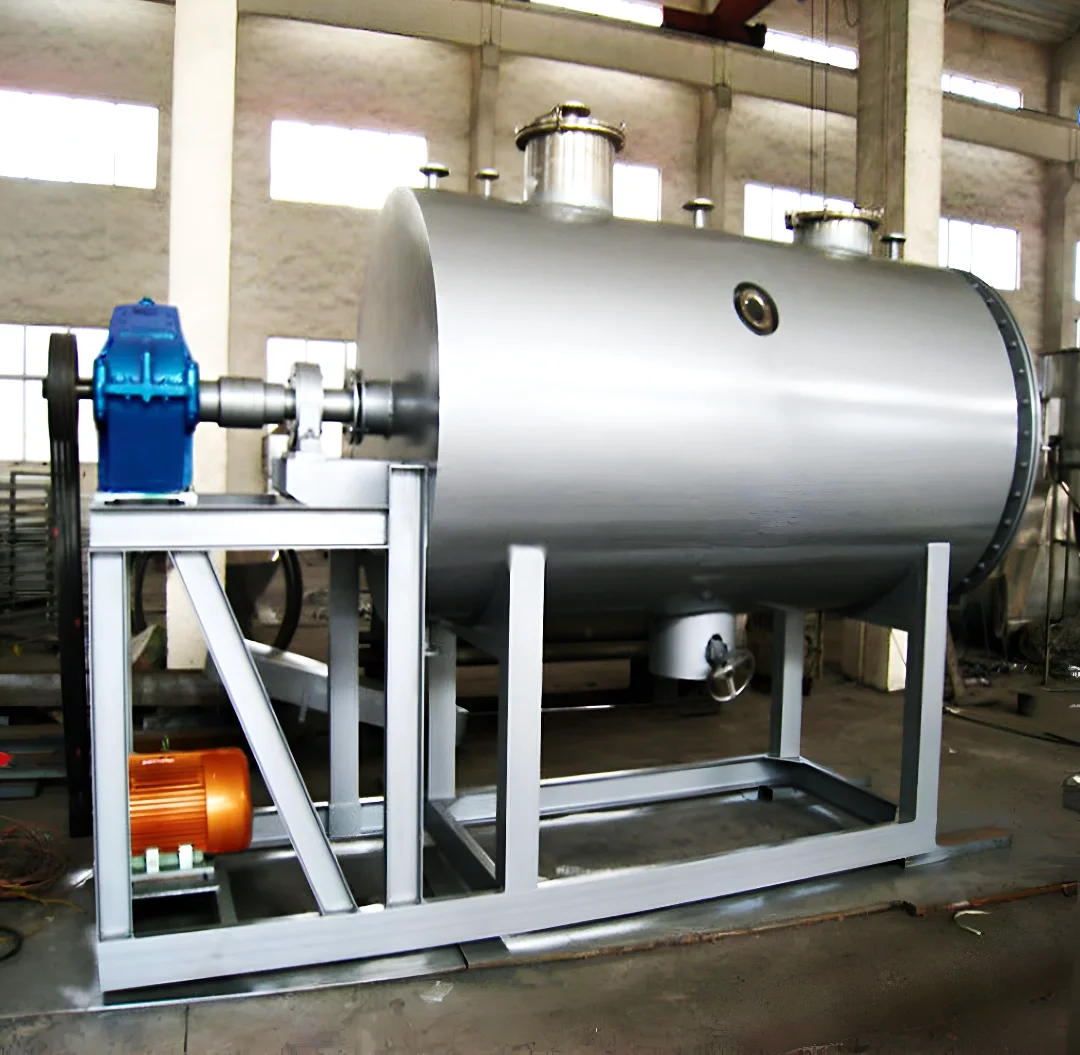
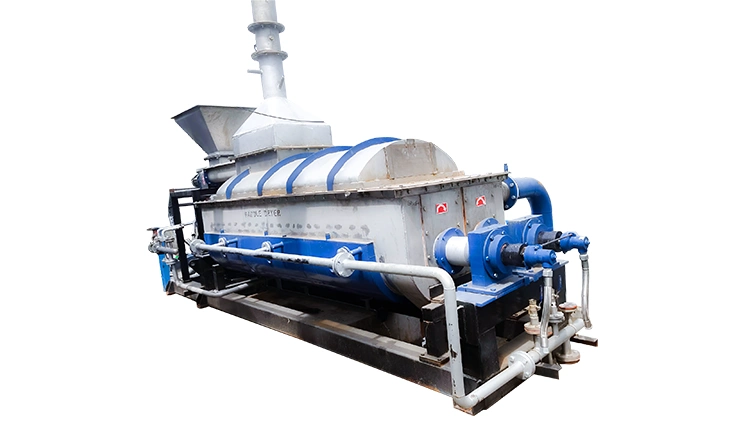
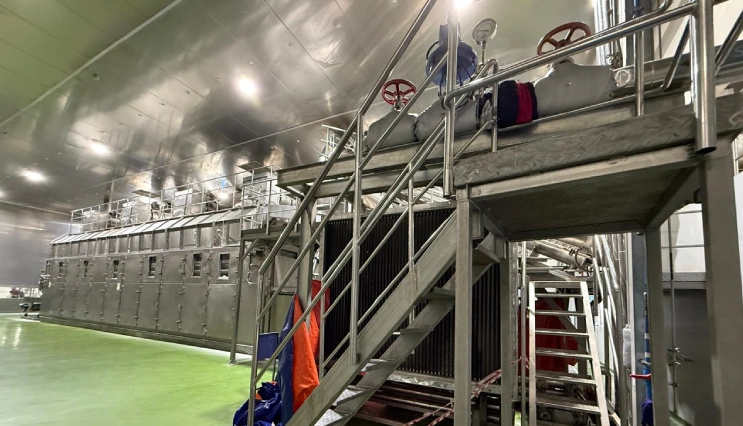
To dry API (active pharmaceutical ingredients), GEM recommends the Rotary Vacuum Dryer. Typical moisture is 10–40% in the feed and to product spec, often below 0.5% LOD after drying. Paddle Dryer, Combination Fluid Bed Dryer and Freeze Dryer / Lyophilizer are used when the feed or site calls for it. Every project starts with a pilot trial on your own sample.
A rotary vacuum dryer dries solvent-wet cake at low temperature in a sealed vessel with condenser recovery. Paddle dryers suit larger, robust APIs. Fluid bed dryers are used for aqueous, non-hazardous products, and freeze dryers for sensitive APIs.
| Typical feed moisture | 10–40% |
| Typical target moisture | to product spec, often below 0.5% LOD |
| Recommended dryer | Rotary Vacuum Dryer |
| Alternatives | Paddle Dryer, Combination Fluid Bed Dryer, Freeze Dryer / Lyophilizer |
| Application area | Pharma & Fine Actives |
| Industries | Pharmaceuticals & Biotech |
Meeting residual solvent specifications at first attempt avoids rework and batch rejection. Solvent recovery reduces solvent purchases and emissions, and contained drying supports GMP audits.
Plants searching for a API dryer or comparing a vacuum dryer for pharmaceuticals usually need three answers: which dryer fits, what it costs to run, and how fast it pays back. For API (Active Pharmaceutical Ingredients), we start from your throughput, current moisture (typically 10–40%) and the target (to product spec, often below 0.5% LOD), trial a sample on the Rotary Vacuum Dryer, and return a sized recommendation with a budget quotation for your pharmaceuticals operation.
We trial your material in our pilot facility before any equipment decision, then size the dryer from real data.
Describe it in the form, or message an engineer directly.