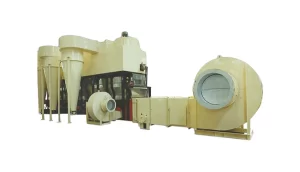
Pharmaceutical intermediate drying happens between synthesis steps, often at larger volumes than final API drying. Intermediates are frequently solvent-wet and may be sticky or reactive, and plants need dry, consistent material for the next reaction while recovering solvent and minimising batch time.
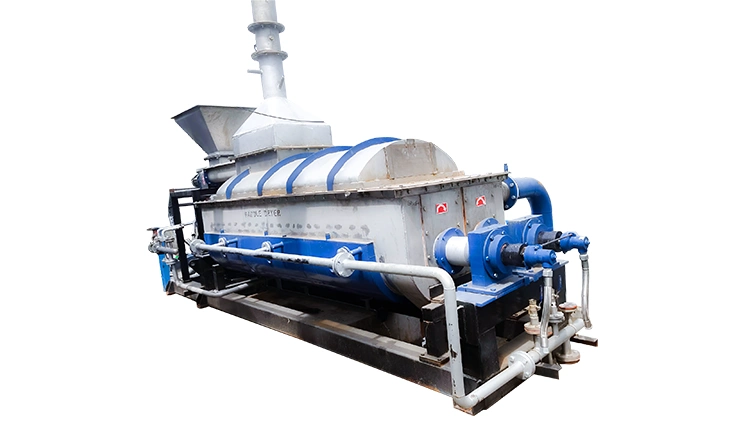
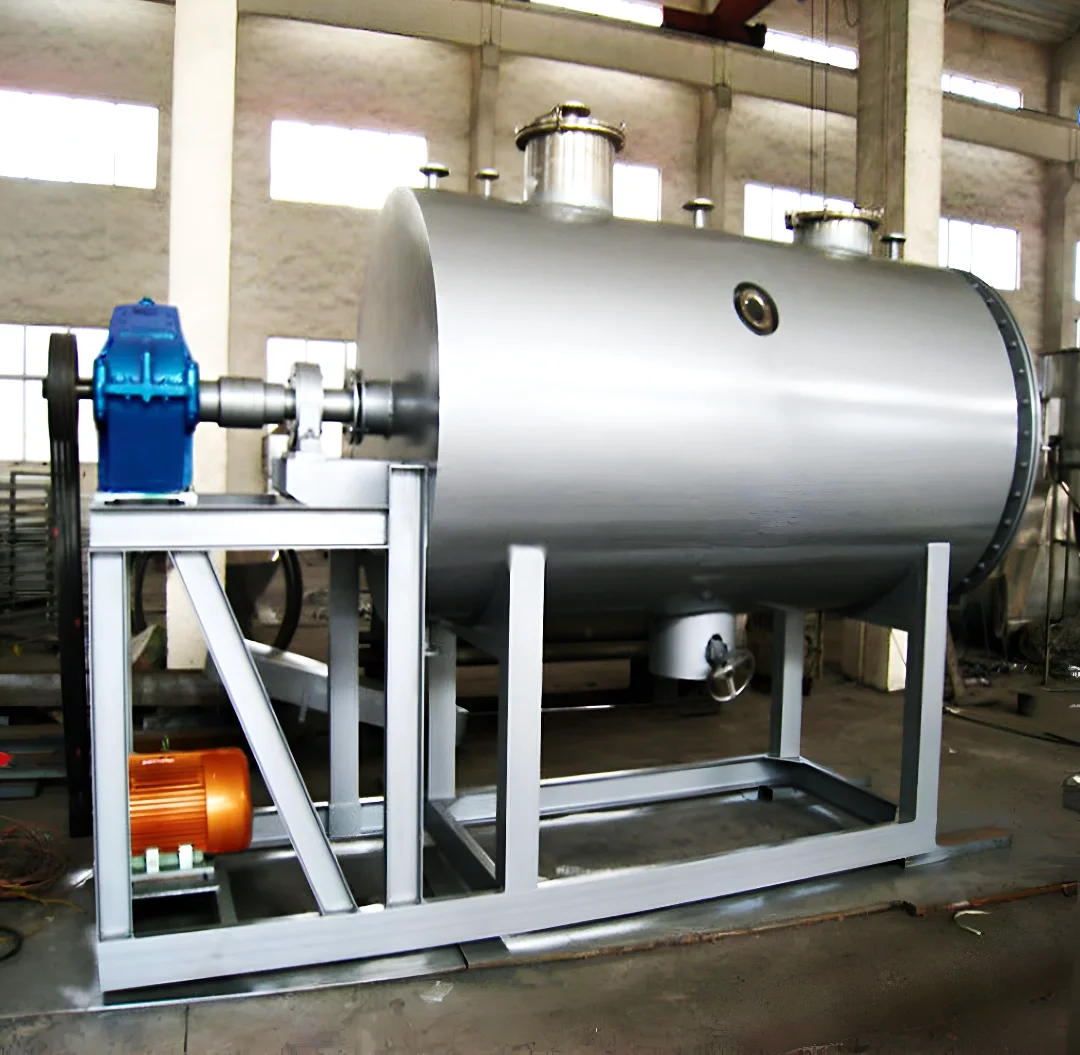
To dry pharmaceutical intermediates, GEM recommends the Paddle Dryer and Rotary Vacuum Dryer. Typical moisture is 15–45% in the feed and to product spec, often below 1% LOD after drying. Agitated Thin Film Dryer and Combination Fluid Bed Dryer are used when the feed or site calls for it. Every project starts with a pilot trial on your own sample.
A paddle dryer handles larger volumes of solvent-wet or sticky intermediates in a sealed, indirectly heated vessel. Rotary vacuum dryers suit heat-sensitive batches. An agitated thin film dryer converts concentrated solutions to solids, and fluid beds suit aqueous intermediates.
| Typical feed moisture | 15–45% |
| Typical target moisture | to product spec, often below 1% LOD |
| Recommended dryer | Paddle Dryer, Rotary Vacuum Dryer |
| Alternatives | Agitated Thin Film Dryer, Combination Fluid Bed Dryer |
| Application area | Pharma & Fine Actives |
| Industries | Pharmaceuticals & Biotech, Chemicals & Specialty Chemicals |
Shorter drying cycles free up reactor and filter capacity, raising plant throughput. Solvent recovery cuts purchase and disposal costs, and consistently dry intermediate improves yield and impurity profile in the next synthesis step.
Plants searching for a pharmaceutical intermediate dryer or comparing a paddle dryer pharma usually need three answers: which dryer fits, what it costs to run, and how fast it pays back. For Pharmaceutical Intermediates, we start from your throughput, current moisture (typically 15–45%) and the target (to product spec, often below 1% LOD), trial a sample on the Paddle Dryer, and return a sized recommendation with a budget quotation for your pharmaceuticals and chemicals operation.
We trial your material in our pilot facility before any equipment decision, then size the dryer from real data.
Describe it in the form, or message an engineer directly.