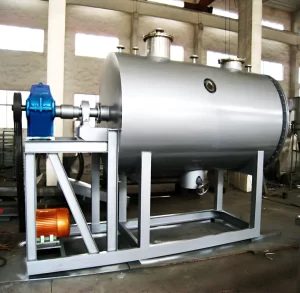
Dye Intermediates Drying

  • Pilot trial on your own sample
  • 112+ installations in 7 countries
  • Engineer replies in 1 working day

Dye intermediates drying covers the aromatic amines, naphthalene sulphonic acids and sulphone compounds, such as H-acid and vinyl sulphone ester, that are later coupled into finished dyes. Many leave centrifuges as acidic, salt-rich or solvent-wet cakes. Producers need contained, corrosion-resistant drying that preserves assay and purity for the next synthesis step.

Quick answer

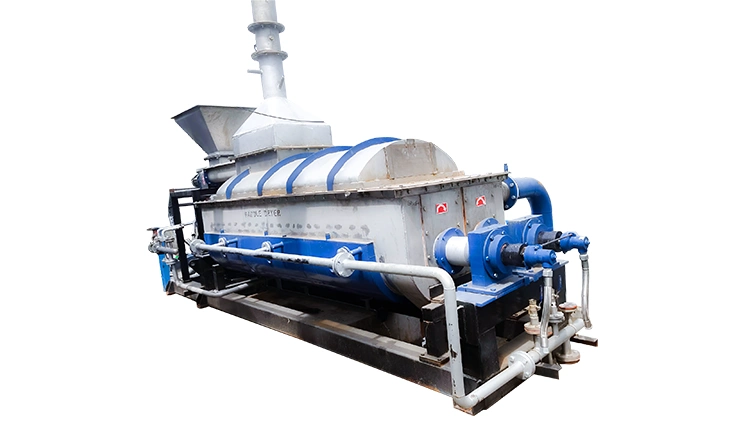
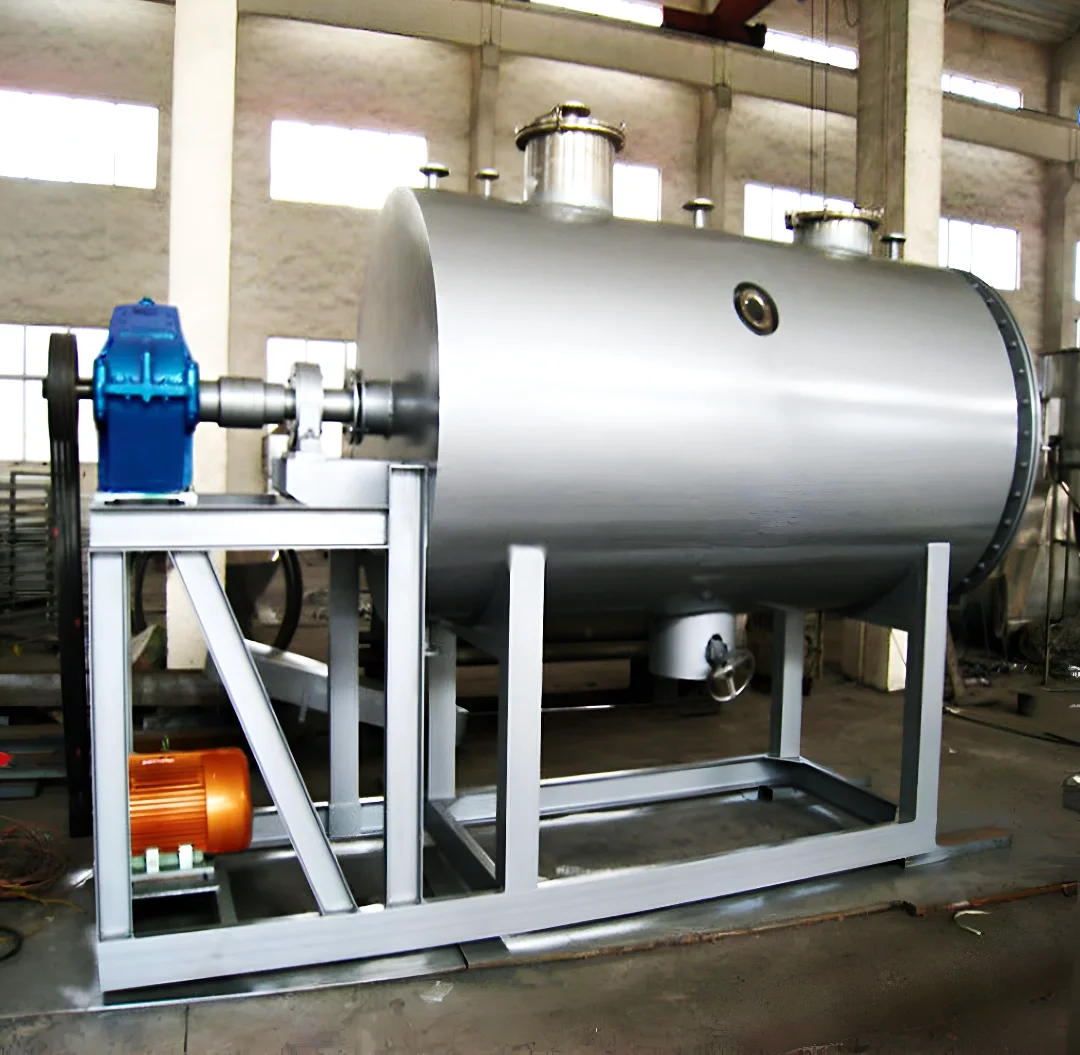
To dry dye intermediates, GEM recommends the Paddle Dryer and Rotary Vacuum Dryer. Flash Dryer and Agitated Thin Film Dryer are used when the feed or site calls for it. Every project starts with a pilot trial on your own sample.

1998established112+installations7countriesDried & Testedin-house pilot trialsCertifications · Case studies
The challenge

What makes Dye Intermediates hard to dry

  • Acidic cakes corrode carbon steel, so contact parts must be selected for the chemistry involved.
  • Solvent-wet intermediates release flammable vapours during drying, ruling out open, direct hot-air drying equipment.
  • Some intermediates decompose or discolour with heat, lowering assay and coupling performance.
  • Toxic or sensitising intermediate dust requires closed drying, sealed discharge and contained packing to protect operators.
How GEM dries it

The right dryer for Dye Intermediates

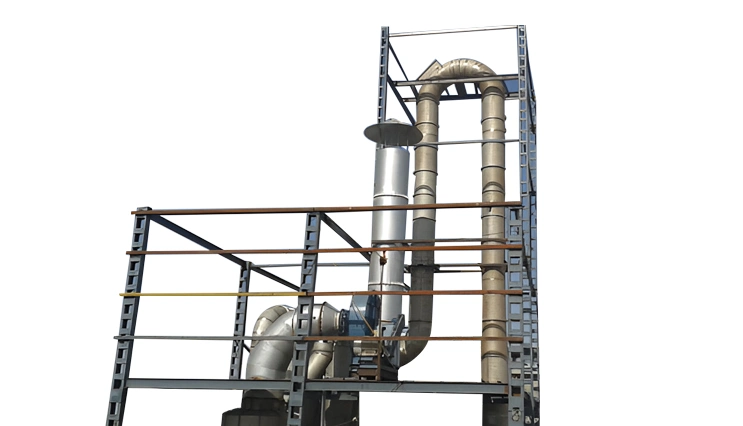
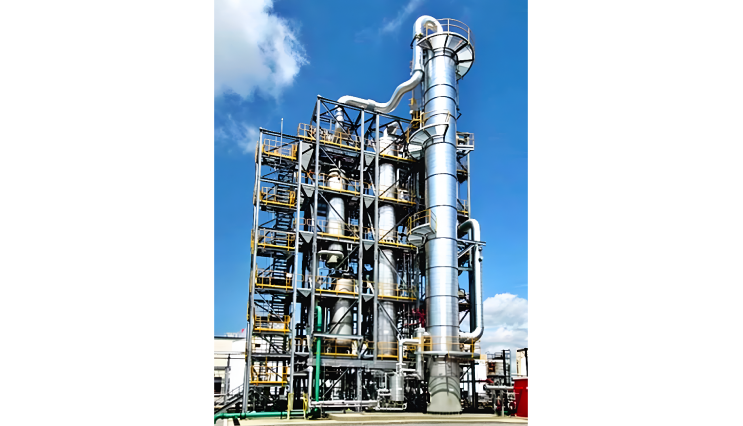
Paddle and rotary vacuum dryers dry intermediates indirectly in sealed vessels, recovering solvent and containing dust. Flash drying is chosen only for water-wet, stable, non-flammable intermediates; thin film dryers handle intermediate solutions.

Recommended dryerPaddle Dryer, Rotary Vacuum Dryer
AlternativesFlash Dryer, Agitated Thin Film Dryer
Application areaDyes, Pigments & Intermediates
IndustriesDyes, Pigments & Inks, Chemicals & Specialty Chemicals
The value

What drying Dye Intermediates unlocks

Dry, high-assay intermediates couple reliably and reduce failed or off-shade dye batches. Contained drying recovers solvents for reuse, reduces operator exposure and supports pollution control compliance at chemical sites.

Dried Dye Intermediates becomes

  • H-acid for reactive dyes
  • Vinyl sulphone ester
  • Naphthalene sulphonic acid intermediates
For buyers

Buying a Dye Intermediates dryer?

Plants searching for a dye intermediate dryer or comparing a H acid drying usually need three answers: which dryer fits, what it costs to run, and how fast it pays back. For Dye Intermediates, we start from your throughput, current moisture and the target, trial a sample on the Paddle Dryer, and return a sized recommendation with a budget quotation for your dyes and chemicals operation.

FAQ

Dye Intermediates: questions buyers ask

Can solvent-wet dye intermediates be dried safely?
Yes, in sealed indirect dryers such as paddle or rotary vacuum dryers, often under vacuum or inert gas. Solvent is condensed and recovered rather than released.
What material of construction is needed for acidic intermediates?
It depends on acid type, chloride content and temperature. Stainless steels, special alloys or linings may be needed. We review your chemistry before recommending materials.

Send us a sample. See it dried.

We trial your material in our pilot facility before any equipment decision, then size the dryer from real data.

  1. Tell us the material, moisture and throughput.
  2. An engineer confirms the trial plan and sample shipping.
  3. You get drying data and a sized recommendation with a budget quotation.

Material not listed? Talk to our technical expert.

Describe it in the form, or directly →

Request a trial or quotation

    An engineer replies within one working day. We never share your details.

    Chat with GEM Drytech on WhatsApp