Reactive dyes drying is sensitive because the reactive group that bonds the dye to cotton can hydrolyse when the wet product is held hot. Losing that group reduces fixation in the customer's dyehouse. Manufacturers of vinyl sulphone and triazine reactive dyes therefore dry presscake or solution at controlled, moderate temperatures to keep strength and fixation in specification.
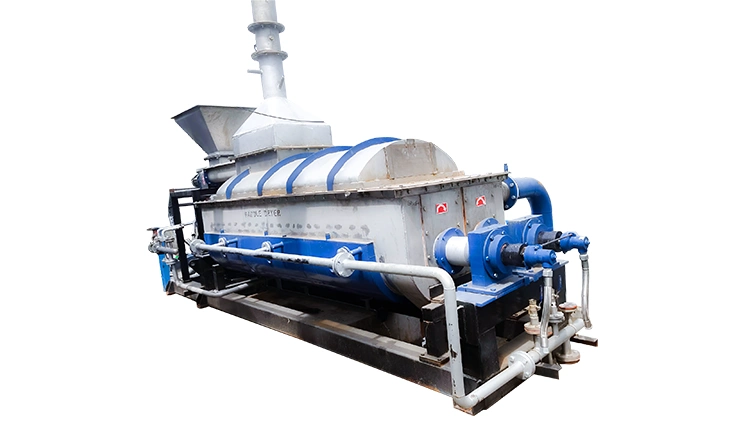
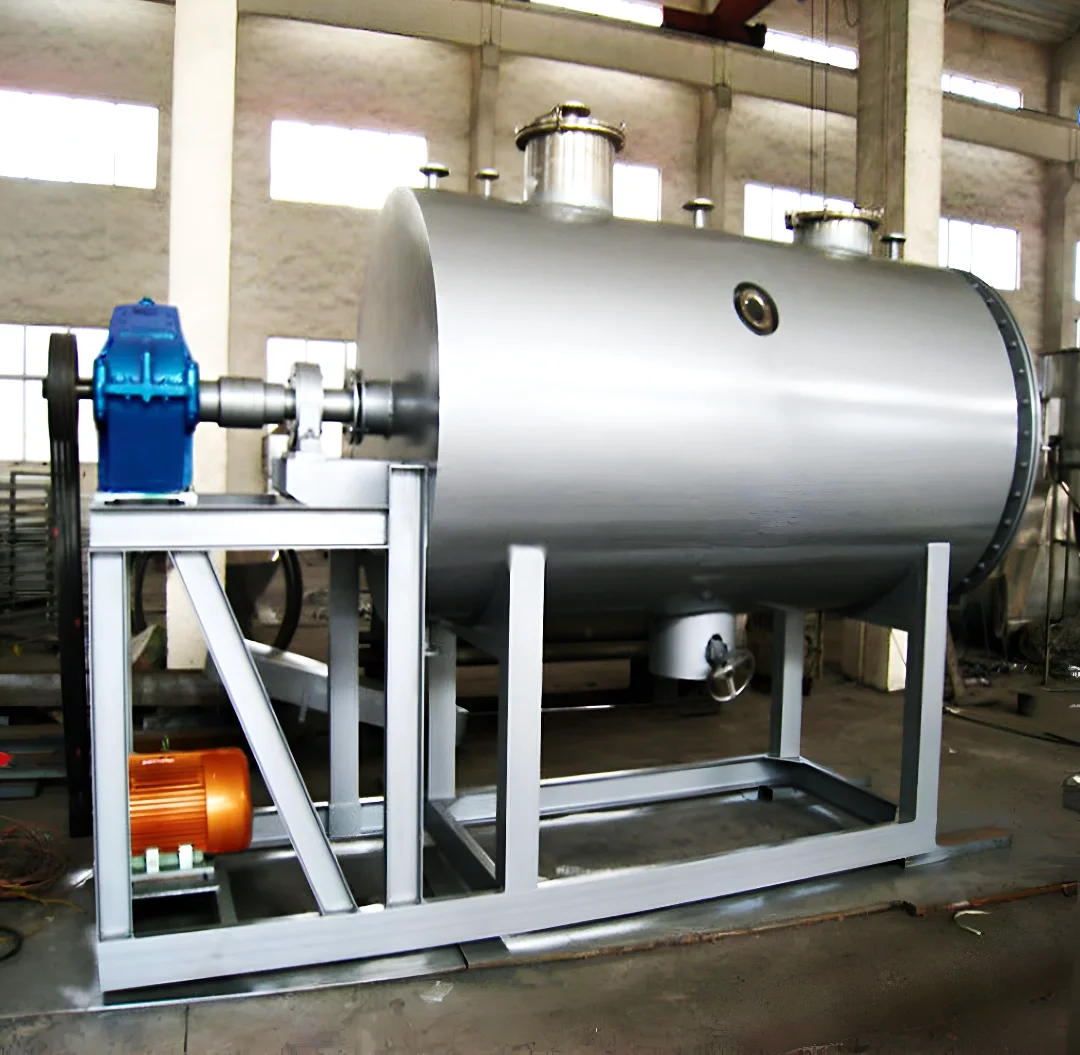
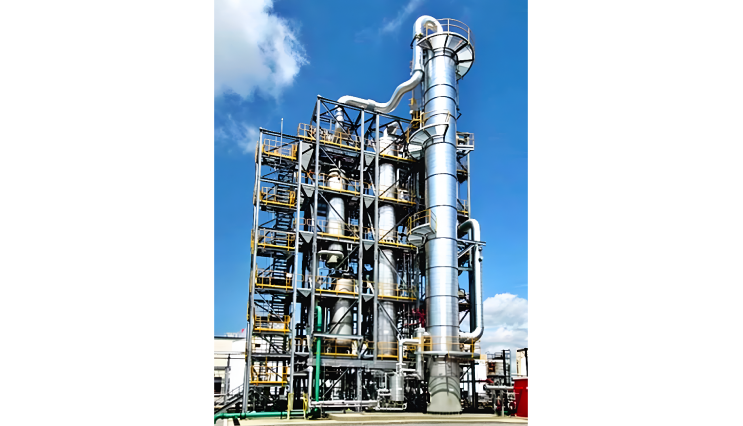
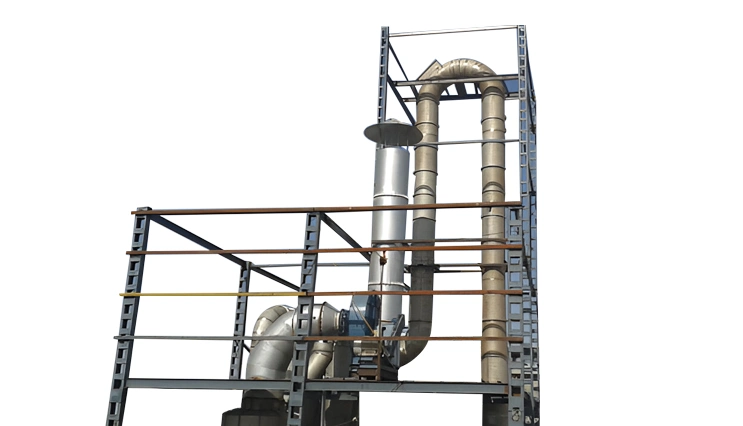
To dry reactive dyes, GEM recommends the Paddle Dryer and Rotary Vacuum Dryer. The usual target is 2–5% moisture. Agitated Thin Film Dryer and Flash Dryer are used when the feed or site calls for it. Every project starts with a pilot trial on your own sample.
Paddle and rotary vacuum dryers heat through jacketed walls at low product temperature, often under vacuum, limiting hydrolysis while containing dust. An agitated thin film dryer suits liquid dye; flash drying is used for less sensitive grades.
| Typical target moisture | 2–5% |
| Recommended dryer | Paddle Dryer, Rotary Vacuum Dryer |
| Alternatives | Agitated Thin Film Dryer, Flash Dryer |
| Application area | Dyes, Pigments & Intermediates |
| Industries | Dyes, Pigments & Inks, Textile & Dye Houses |
Protecting fixation value preserves the price and reputation of reactive dyes in export markets. Contained drying also reduces dust exposure and cleaning losses, improving yield.
Plants searching for a reactive dye dryer or comparing a reactive dyes drying machine usually need three answers: which dryer fits, what it costs to run, and how fast it pays back. For Reactive Dyes, we start from your throughput, current moisture and the target (2–5%), trial a sample on the Paddle Dryer, and return a sized recommendation with a budget quotation for your dyes and textile operation.
We trial your material in our pilot facility before any equipment decision, then size the dryer from real data.
Describe it in the form, or message an engineer directly.