Textile ETP sludge drying treats the combined chemical and biological sludge from processing houses that desize, scour, bleach, dye and finish fabric. Lime, alum or ferrous dosing makes up much of the solid, alongside fibre lint, size residues and dyes. In many textile clusters this sludge is hazardous waste, so drying before TSDF or kiln dispatch directly reduces cost.
To dry textile ETP sludge, GEM recommends the Paddle Dryer. Typical moisture is 70–80% in the feed and 10–20% after drying. Mesh Belt Dryer and Direct / Indirect Rotary Dryer are used when the feed or site calls for it. Every project starts with a pilot trial on your own sample.
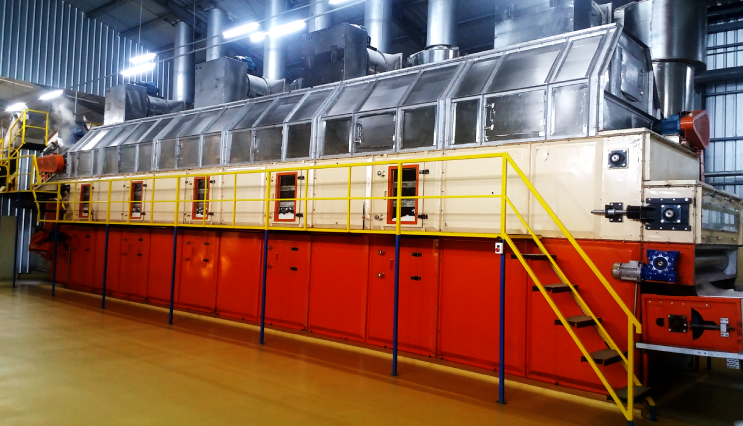
A paddle dryer copes with the pasty coagulant sludge and its fibre content in a closed trough, condensing vapours. CETPs with large volumes, non-hazardous classification and spare low-grade heat may choose a Meshotherm belt after extruding the cake.
| Typical feed moisture | 70–80% |
| Typical target moisture | 10–20% |
| Recommended dryer | Paddle Dryer |
| Alternatives | Mesh Belt Dryer, Direct / Indirect Rotary Dryer |
| Application area | Sludge & Biosolids |
| Industries | Textile & Dye Houses, Wastewater & Environmental |
Textile clusters pay rising TSDF and transport charges, often shared across many member units through the CETP. Drying cuts dispatched tonnage, frees storage space and helps meet state pollution control board limits on sludge accumulation.
Plants searching for a textile sludge dryer or comparing a dye house sludge dryer usually need three answers: which dryer fits, what it costs to run, and how fast it pays back. For Textile ETP Sludge, we start from your throughput, current moisture (typically 70–80%) and the target (10–20%), trial a sample on the Paddle Dryer, and return a sized recommendation with a budget quotation for your textile and wastewater operation.
Compare all 9 materials in ETP & Industrial Sludge or browse the wider Sludge & Biosolids family.
We trial your material in our pilot facility before any equipment decision, then size the dryer from real data.
Describe it in the form, or message an engineer directly.