Industrial effluent concentrate drying is the final step of zero liquid discharge systems, taking reject from multiple-effect evaporators or brine concentrators down to a dry solid. The feed is a hot, salt-laden liquor with dissolved organics. Without a reliable dryer, ZLD plants end up storing concentrate in tanks or ponds, which defeats compliance.
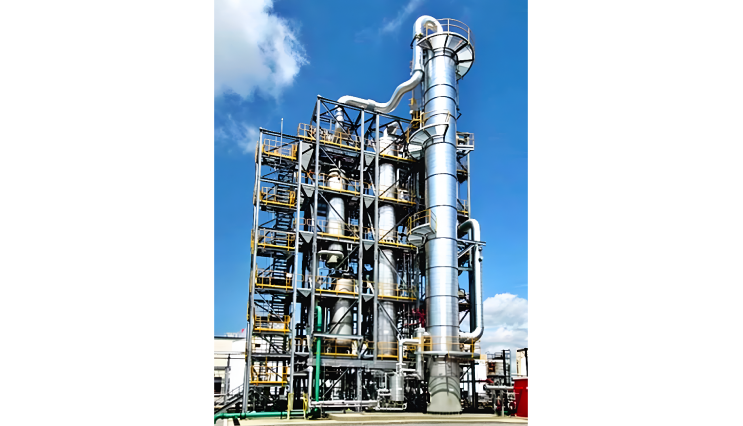
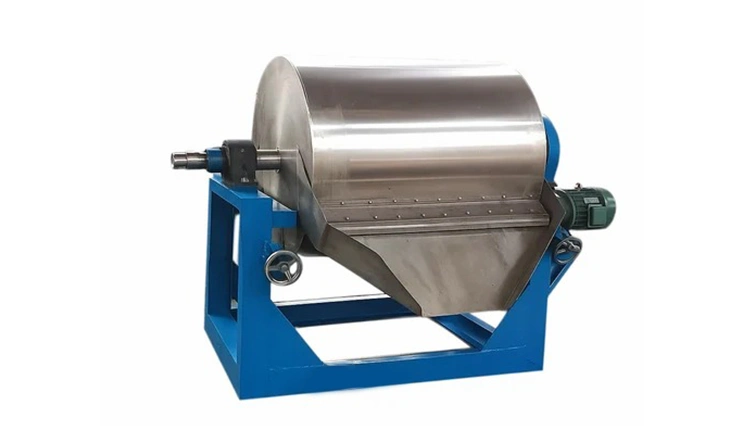
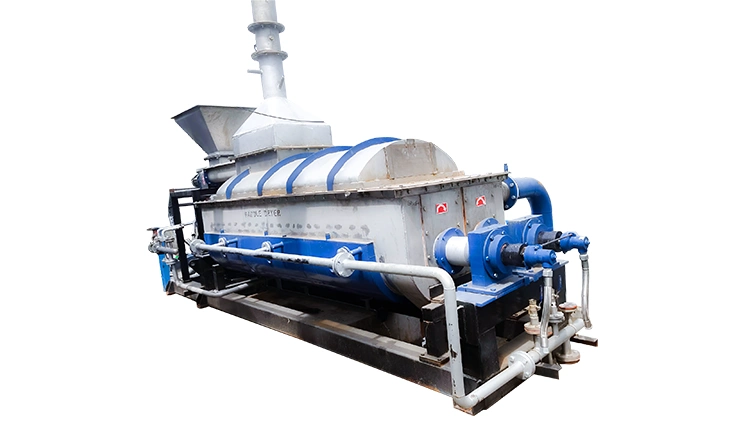
To dry industrial effluent concentrates (ZLD), GEM recommends the Agitated Thin Film Dryer. Typical moisture is 55–70% in the feed and 5–10% after drying. Single / Double Drum Dryer and Paddle Dryer are used when the feed or site calls for it. Every project starts with a pilot trial on your own sample.
An ATFD spreads concentrate as a thin, constantly renewed film on a heated wall, so liquor dries to powder in one pass without gummy build-up. Drum dryers suit concentrates that form a clean film, and paddle dryers handle partly crystallised slurries.
| Typical feed moisture | 55–70% |
| Typical target moisture | 5–10% |
| Recommended dryer | Agitated Thin Film Dryer |
| Alternatives | Single / Double Drum Dryer, Paddle Dryer |
| Application area | Sludge & Biosolids |
| Industries | Wastewater & Environmental, Chemicals & Specialty Chemicals, Textile & Dye Houses |
ZLD consent conditions require that no liquid leaves the site, so a dryer that reliably produces solid salt protects the operating permit. Recovered condensate reduces fresh water intake, and compact dry salt cuts storage and disposal costs.
Plants searching for a ZLD dryer or comparing a ATFD for MEE reject usually need three answers: which dryer fits, what it costs to run, and how fast it pays back. For Industrial Effluent Concentrates (ZLD), we start from your throughput, current moisture (typically 55–70%) and the target (5–10%), trial a sample on the Agitated Thin Film Dryer, and return a sized recommendation with a budget quotation for your wastewater and chemicals operation.
Compare all 9 materials in ETP & Industrial Sludge or browse the wider Sludge & Biosolids family.
We trial your material in our pilot facility before any equipment decision, then size the dryer from real data.
Describe it in the form, or message an engineer directly.