3–8% → 0.1–0.5% moisture. About 5% of the feed weight leaves as water, so the product meets spec and handles freely.
Sodium sulphate drying produces anhydrous salt cake from crystalliser output in viscose, dye, chrome and zero liquid discharge plants. Unlike most salts, Glauber's salt decahydrate melts in its own water near 32°C, so the feed form and temperature profile decide whether the material dries freely or turns to slush.
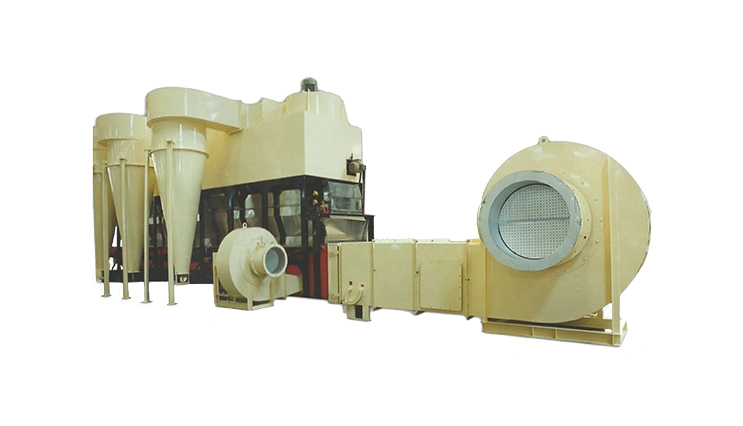
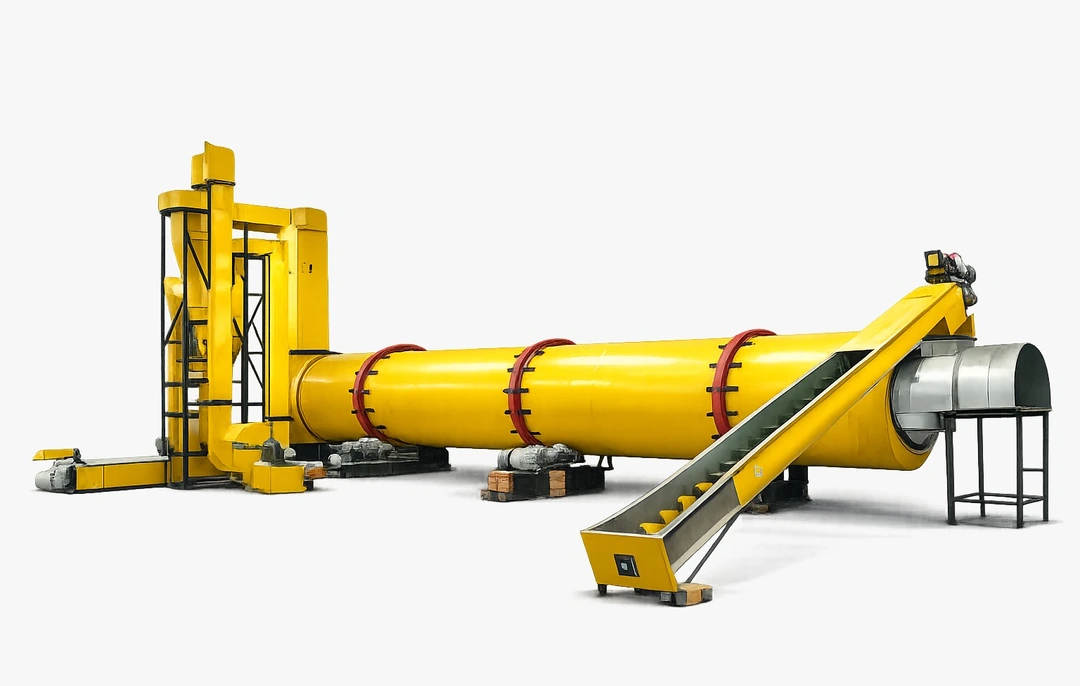
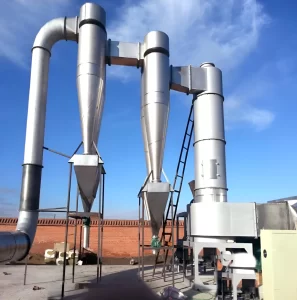
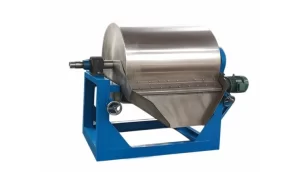
To dry sodium sulphate, GEM recommends the Vibratory Fluid Bed Dryer and Rotary Dryer. Typical moisture is 3–8% in the feed and 0.1–0.5% after drying. Flash Dryer and Agitated Thin Film Dryer are used when the feed or site calls for it. Every project starts with a pilot trial on your own sample.
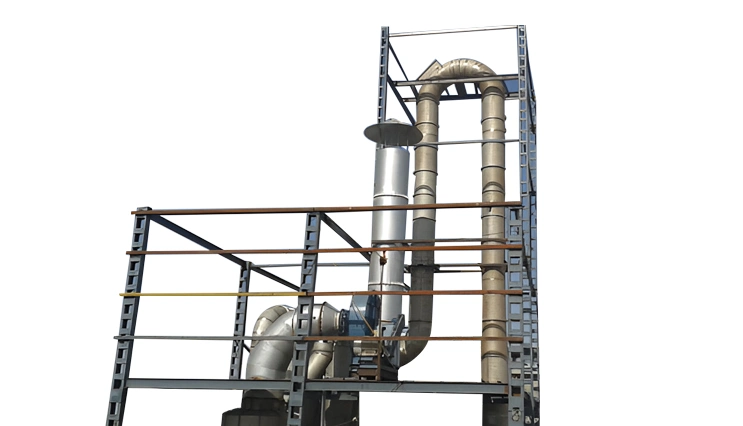
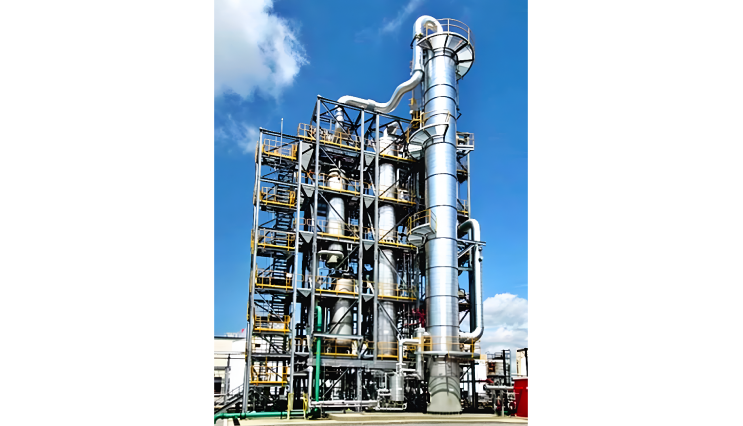
A vibratory fluid bed dries clean anhydrous crystals with good control, while a direct rotary dryer handles high-tonnage or lumpy recovered salt. Flash drying suits fine crystals; an agitated thin film dryer takes ZLD mother liquor straight to powder.
| Typical feed moisture | 3–8% |
| Typical target moisture | 0.1–0.5% |
| Recommended dryer | Vibratory Fluid Bed Dryer, Rotary Dryer |
| Alternatives | Flash Dryer, Agitated Thin Film Dryer |
| Application area | Chemicals & Salts |
| Industries | Chemicals & Specialty Chemicals, Textile & Dye Houses |
Drying turns a recovered waste salt into a saleable detergent or textile grade, cutting the cost of storing or disposing of ZLD salt and adding a revenue stream to effluent treatment.
Plants searching for a sodium sulphate dryer or comparing a anhydrous sodium sulphate drying usually need three answers: which dryer fits, what it costs to run, and how fast it pays back. For Sodium Sulphate, we start from your throughput, current moisture (typically 3–8%) and the target (0.1–0.5%), trial a sample on the Vibratory Fluid Bed Dryer, and return a sized recommendation with a budget quotation for your chemicals and textile operation.
We trial your material in our pilot facility before any equipment decision, then size the dryer from real data.
Describe it in the form, or Message an Engineer directly →