Agriculture & Grain Processing

Industry

Drying Solutions for Agriculture & Grain Processing

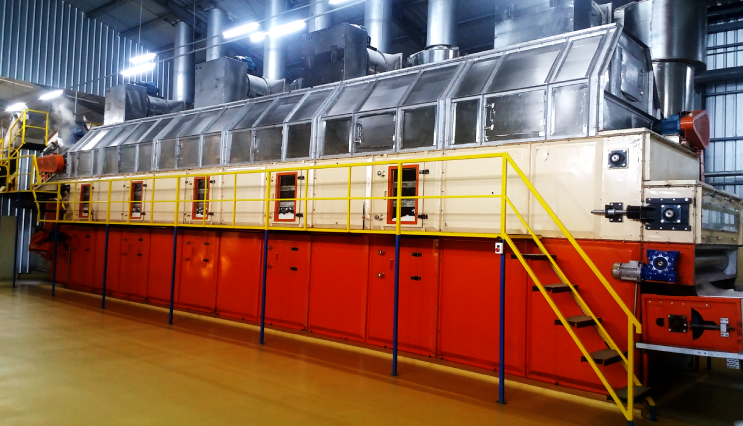
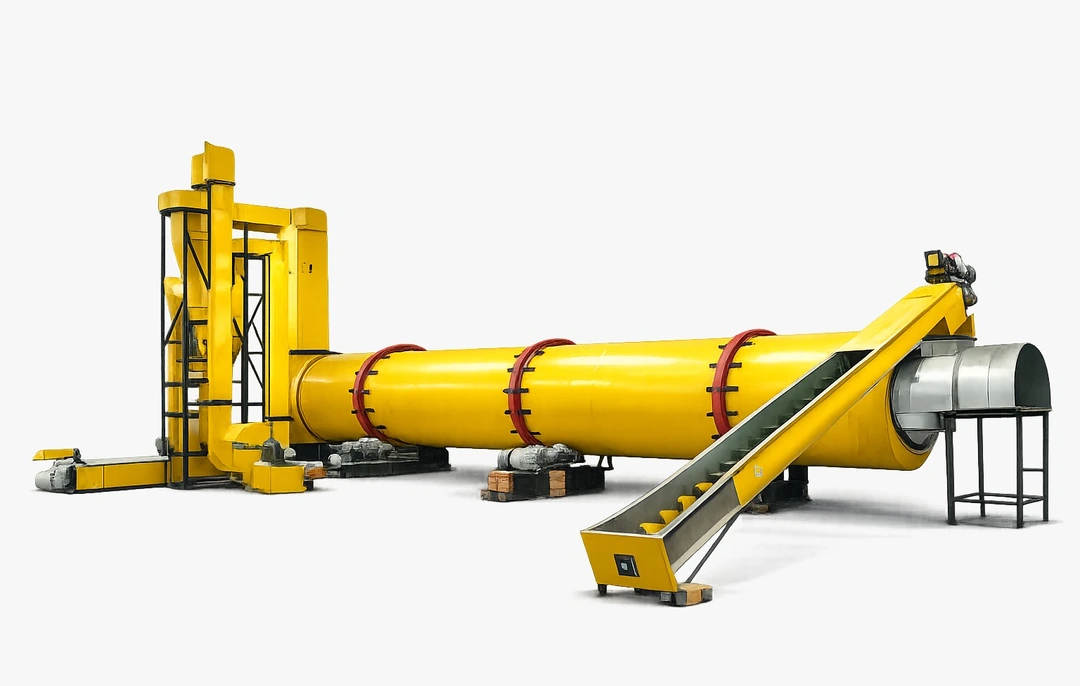
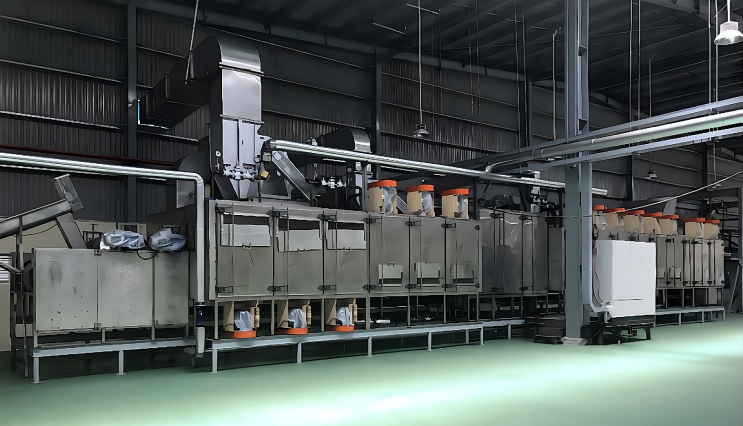
Agricultural processors dry paddy, wheat, maize, pulses and oilseeds to safe storage moisture, and handle bran, oilseed meal, fodder, copra, cocoa, coffee and crop residues such as husk, straw and stalks. Grain harvested wet loses weight and quality fast, while residues dried properly become fuel, feed or growing media. GEM supplies grain, fluid bed, mesh belt, rotary and Aerodryve dryers matched to the crop and throughput.

Quick answer

For agriculture & grain processing, GEM dries 47 materials across 9 application areas. The dryers specified most often are the Grain Dryer, Mesh Belt Dryer (Meshotherm) and Rotary Dryer, chosen per material after a pilot trial.

1998established112+installations7countriesDried & Testedin-house pilot trialsCertifications · Case studies
The pressure

Why agriculture & grain processing plants invest in drying

  • Paddy and maize harvested at high moisture start to heat and mould within hours if drying capacity falls short.
  • Overdrying or uneven drying cracks rice kernels, lowering head rice yield and the price a mill achieves for its output.
  • Crop residues such as husk, straw and stalk are bulky and wet, which limits their value as fuel or feed.
  • Fresh fodder is plentiful for a few months, but without drying it cannot be stored for the lean season.
Equipment

Dryers behind these applications

Each material page names the recommended dryer and the alternatives. The machines below are the ones specified most often across the 47 materials for this industry.

Why GEM

How we work with agriculture & grain processing plants

Grain-specific drying

Grain dryers bring paddy, wheat, maize and pulses to storage moisture at controlled air temperatures, protecting germination, milling quality and kernel integrity.

Residues and fodder covered

Mesh belt and Aerodryve dryers handle bulky, very wet feeds such as alfalfa, Napier grass and straw that grain dryers are not built for.

Trials on your crop

Crop variety, harvest moisture and particle size all affect drying. A trial at our Dried & Tested facility shows how your material behaves before equipment is sized.

FAQ

Agriculture & Grain Processing: questions buyers ask

What moisture should paddy be dried to?
Paddy is generally dried to around 13 to 14 percent moisture for safe storage and milling. Drying in stages with tempering between passes helps limit kernel cracking and protects head rice yield.
Can alfalfa and Napier grass be dried for feed?
Yes. Fresh fodder can be dried on mesh belt or Aerodryve hybrid dryers into stable hay, pellets or meal. Drying lets surplus green fodder be stored and traded beyond the harvest season, when prices are usually higher.
Do you dry rice husk and crop residues for fuel?
Yes. Rice husk, corn cobs, straw, cotton stalk and similar residues can be dried in mesh belt, rotary or Aerodryve dryers to the moisture required for boilers, pellet mills or briquetting presses.

Send us a sample. See it dried.

We trial your material in our pilot facility before any equipment decision, then size the dryer from real data.

  1. Tell us the material, moisture and throughput.
  2. An engineer confirms the trial plan and sample shipping.
  3. You get drying data and a sized recommendation with a budget quotation.

Material not listed? Talk to our technical expert.

Describe it in the form, or message an engineer directly.

Request a trial or quotation

    An engineer replies within one working day. We never share your details.

    No related products found for this application.

    whatsapp