Sorghum fodder drying preserves forage and sweet sorghum as dry feed or pellets for dry-season use. Sorghum has thick, sugary stems and a waxy coating, and young growth can contain prussic acid, so harvest stage matters as much as dryer design.
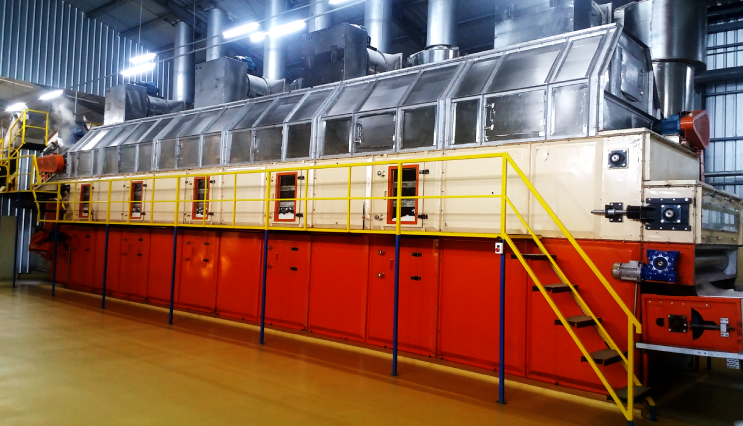
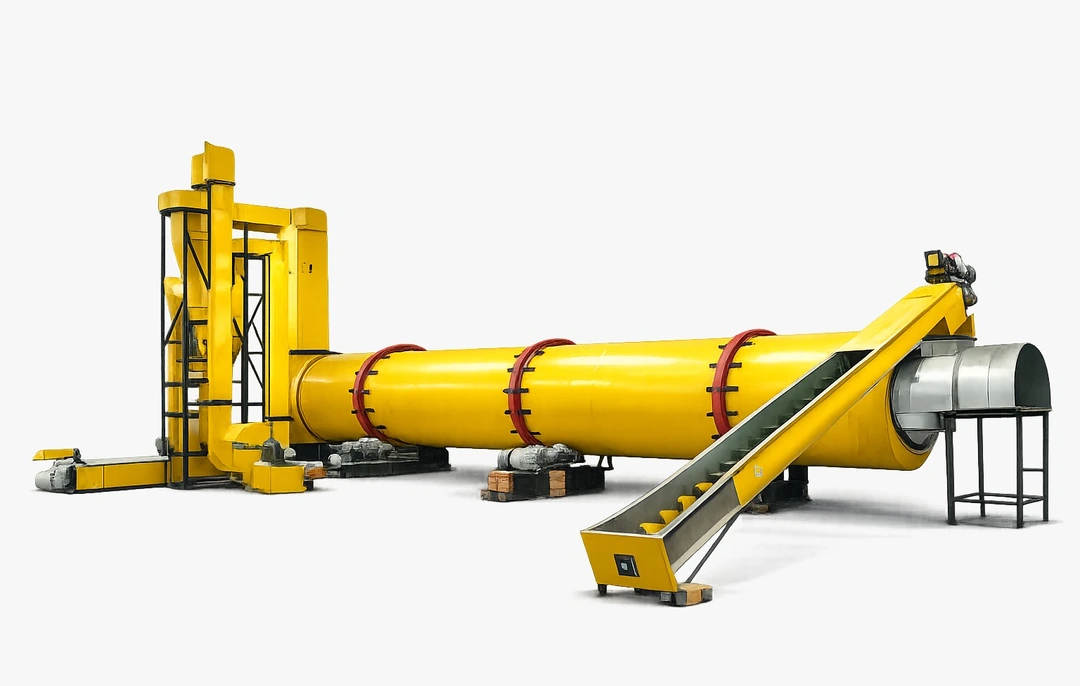
To dry sorghum fodder, GEM recommends the Mesh Belt Dryer (Meshotherm). Typical moisture is 70–80% in the feed and 10–12% after drying. Hybrid Belt + Fluid Bed Dryer and Rotary Dryer are used when the feed or site calls for it. Every project starts with a pilot trial on your own sample.
Chopped sorghum forms an open bed that a mesh belt dries at moderate temperature, limiting sugar caramelisation. Aerodryve handles fresher, wetter fodder at high evaporation, and a rotary suits larger lines where colour is less important.
| Typical feed moisture | 70–80% |
| Typical target moisture | 10–12% |
| Recommended dryer | Mesh Belt Dryer (Meshotherm) |
| Alternatives | Hybrid Belt + Fluid Bed Dryer, Rotary Dryer |
| Application area | Forage & Green Fodder |
| Industries | Agriculture & Grain Processing, Animal Feed, Breweries & Distilleries |
Dried sorghum fodder bridges dry-season feed gaps and avoids silage spoilage and bunker costs. Pellets transport easily to deficit regions and reduce selective feeding and waste at the trough.
Plants searching for a sorghum fodder dryer or comparing a sorghum drying machine usually need three answers: which dryer fits, what it costs to run, and how fast it pays back. For Sorghum Fodder, we start from your throughput, current moisture (typically 70–80%) and the target (10–12%), trial a sample on the Mesh Belt Dryer, and return a sized recommendation with a budget quotation for your agriculture and animal feed operation.
We trial your material in our pilot facility before any equipment decision, then size the dryer from real data.
Describe it in the form, or message an engineer directly.