16–20% → 12–13% moisture. About 5% of the feed weight leaves as water, giving a stable product that stores and ships.
Barley drying is governed by its end use: malting barley must keep germination above about 95%, so it is dried slowly at low grain temperature, while feed barley tolerates more heat. Harvest moisture of 16–20% must come down to 12–13% before storage, otherwise dormancy, germination and malt extract all decline.
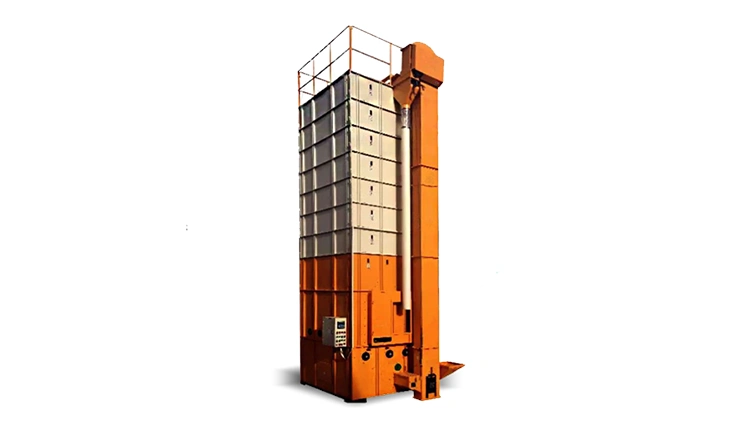
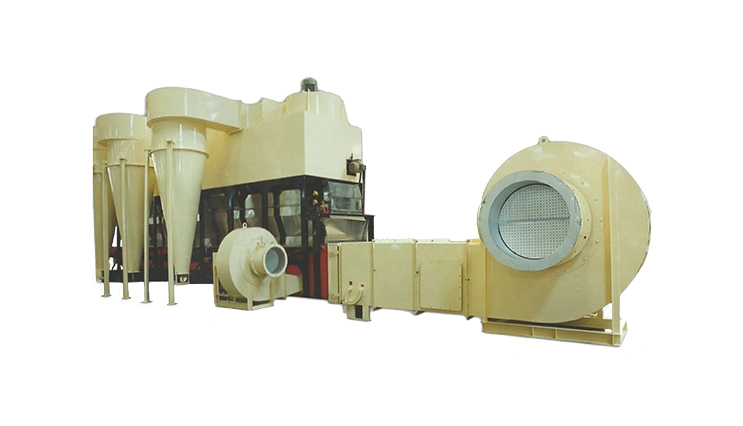
To dry barley, GEM recommends the Grain Dryer. Typical moisture is 16–20% in the feed and 12–13% after drying. Vibratory Fluid Bed Dryer is used when the feed or site calls for it. Every project starts with a pilot trial on your own sample.
A grain dryer run at low air temperature with long residence suits malting barley, where germination matters more than throughput. A vibratory fluid bed is used for steamed or flaked feed barley, where removing surface moisture quickly is the priority.
| Typical feed moisture | 16–20% |
| Typical target moisture | 12–13% |
| Recommended dryer | Grain Dryer |
| Alternatives | Vibratory Fluid Bed Dryer |
| Application area | Grains, Pulses & Seeds |
| Industries | Agriculture & Grain Processing, Animal Feed, Breweries & Distilleries |
Malting barley earns a clear premium over feed barley only while germination stays high, so careful drying protects that premium. Correct storage moisture also avoids losses to mould and insects.
Plants searching for a barley dryer or comparing a malting barley drying usually need three answers: which dryer fits, what it costs to run, and how fast it pays back. For Barley, we start from your throughput, current moisture (typically 16–20%) and the target (12–13%), trial a sample on the Grain Dryer, and return a sized recommendation with a budget quotation for your agriculture and animal feed operation.
We trial your material in our pilot facility before any equipment decision, then size the dryer from real data.
Describe it in the form, or Message an Engineer directly →