16–22% → 12–13% moisture. About 5% of the feed weight leaves as water, giving a stable product that stores and ships.
Wheat drying is needed when harvest weather forces early cutting or late rains raise grain moisture to 16–22%. Above roughly 14% wheat develops mould and insect activity in storage, while overheating damages gluten and lowers baking quality, so millers, traders and procurement agencies dry wheat carefully to a stable 12–13%.
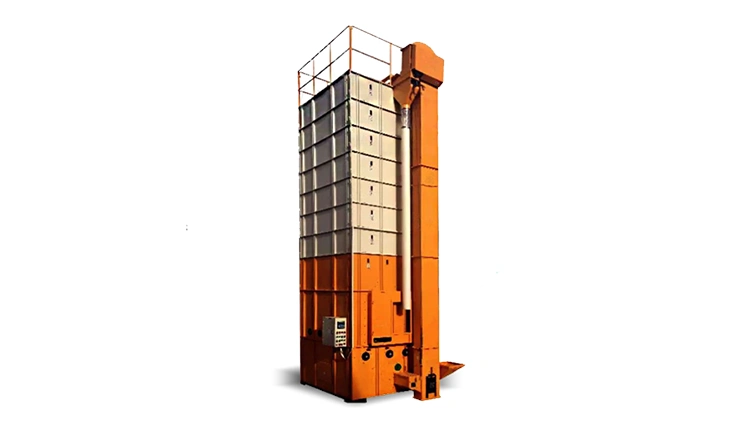
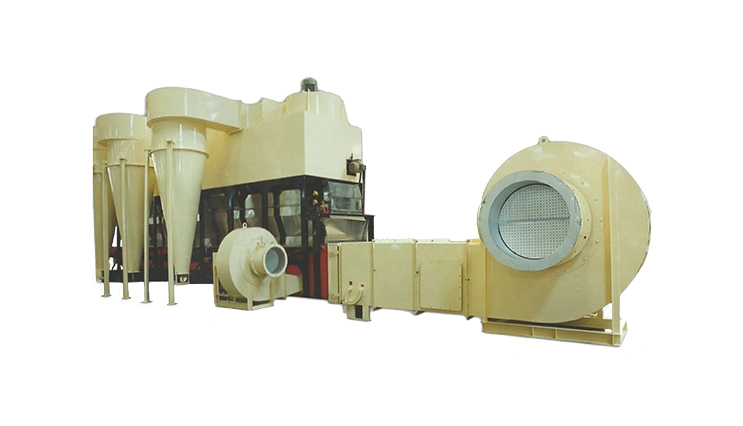
To dry wheat, GEM recommends the Grain Dryer. Typical moisture is 16–22% in the feed and 12–13% after drying. Vibratory Fluid Bed Dryer is used when the feed or site calls for it. Every project starts with a pilot trial on your own sample.
A grain dryer with controlled air temperature and grain-temperature monitoring brings wheat to storage moisture without overheating protein. A vibratory fluid bed is chosen for conditioned or tempered wheat in processing plants, where only a few points of surface moisture must be removed.
| Typical feed moisture | 16–22% |
| Typical target moisture | 12–13% |
| Recommended dryer | Grain Dryer |
| Alternatives | Vibratory Fluid Bed Dryer |
| Application area | Grains, Pulses & Seeds |
| Industries | Agriculture & Grain Processing |
Drying lets procurement centres and millers accept wet harvest without discounting it as damaged, and reduces storage losses. Keeping gluten intact protects the milling premium over feed-grade wheat.
Plants searching for a wheat dryer or comparing a wheat grain drying machine usually need three answers: which dryer fits, what it costs to run, and how fast it pays back. For Wheat, we start from your throughput, current moisture (typically 16–22%) and the target (12–13%), trial a sample on the Grain Dryer, and return a sized recommendation with a budget quotation for your agriculture operation.
We trial your material in our pilot facility before any equipment decision, then size the dryer from real data.
Describe it in the form, or Message an Engineer directly →