Dyes, Pigments & Inks

Industry

Drying Solutions for Dyes, Pigments & Inks

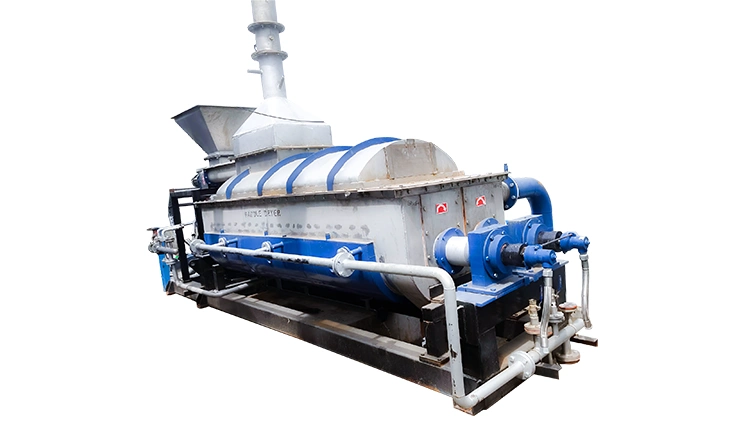
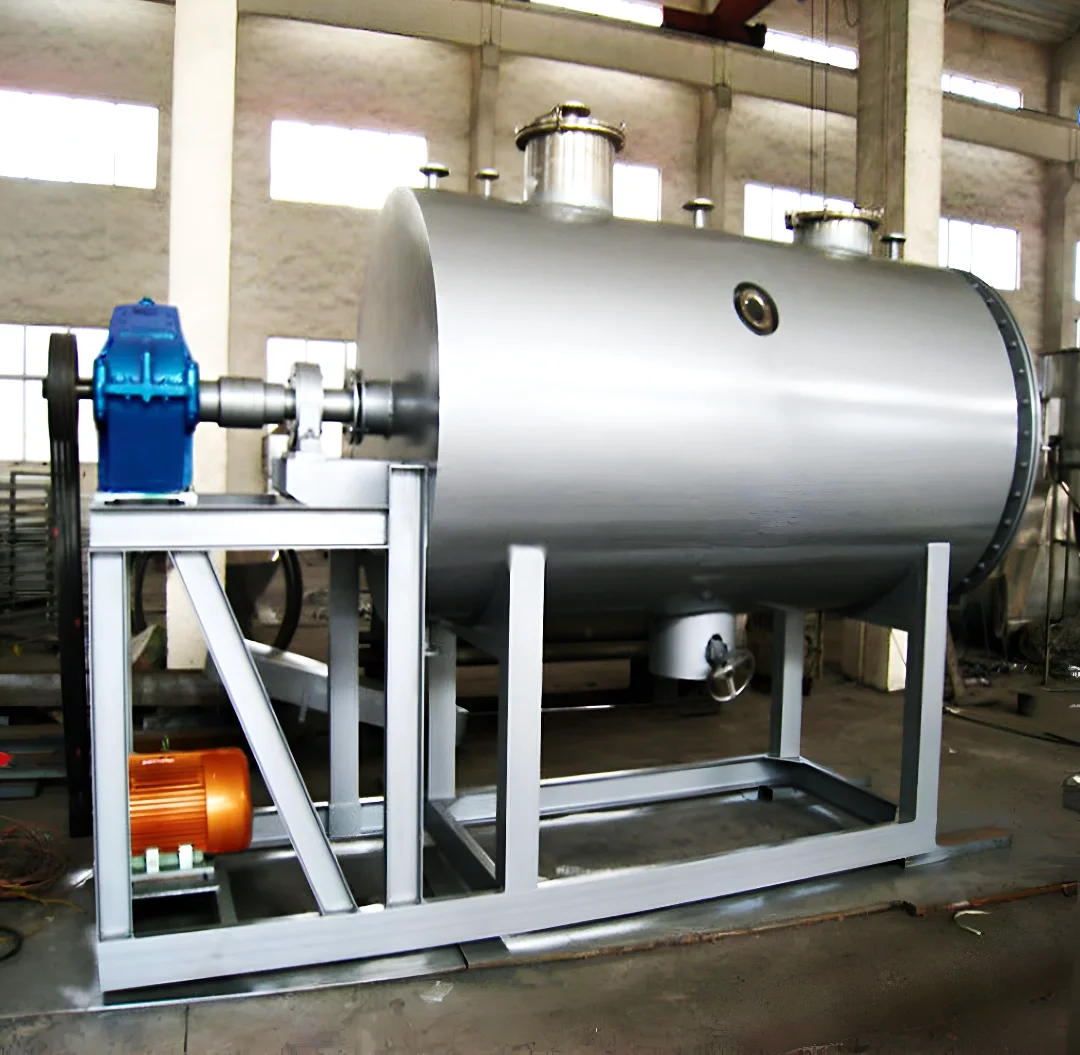
Dye and pigment manufacturers dry reactive, acid, disperse and sulphur dyes, organic and inorganic pigments, dye intermediates such as BDSA salts, and natural plant colourants. Shade, colour strength and dispersibility can shift if a batch overheats or agglomerates, and fine dusty powders create cleaning and contamination headaches. GEM recommends paddle, flash or rotary vacuum drying depending on whether the material arrives as presscake, slurry or solvent-wet solid.

Quick answer

For dyes, pigments & inks, GEM dries 8 materials across 1 application areas. The dryers specified most often are the Paddle Dryer, Flash Dryer and Rotary Vacuum Dryer, chosen per material after a pilot trial.

1998established112+installations7countriesDried & Testedin-house pilot trialsCertifications · Case studies
The pressure

Why dyes, pigments & inks plants invest in drying

  • Overheating during drying alters shade and colour strength, producing off-spec batches that must be reworked or downgraded.
  • Changeovers between colours require thorough dryer cleaning, and residue left in the system contaminates the next product.
  • Fine dye dust escaping from open dryers stains equipment, raises housekeeping effort and creates exposure concerns for operators.
  • Presscakes from filter presses vary in moisture and stickiness, so a single fixed drying recipe gives inconsistent powder.
Applications

What we dry for Dyes, Pigments & Inks

The dyes, pigments and intermediates below each show the dryer types we would consider for them.

Equipment

Dryers behind these applications

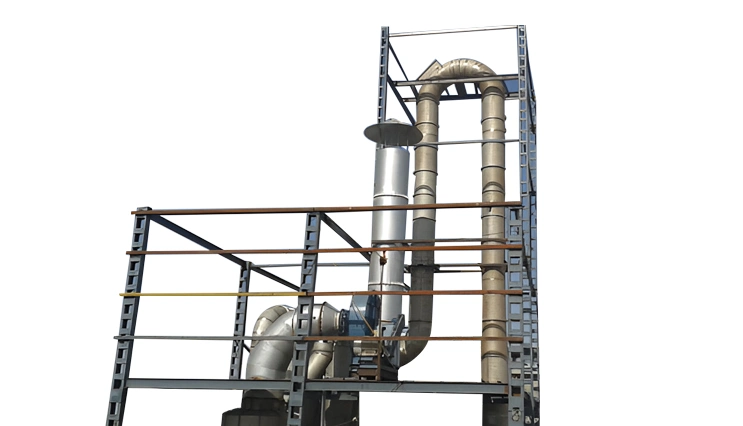
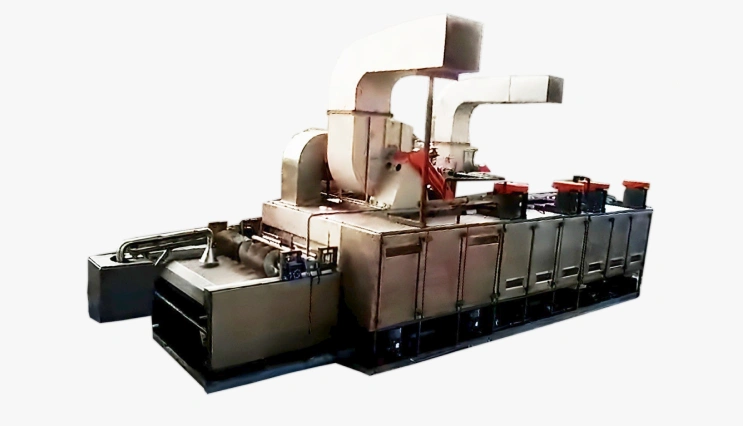
Each material page names the recommended dryer and the alternatives. The machines below are the ones specified most often across the 8 materials for this industry.

Why GEM

How we work with dyes, pigments & inks plants

Controlled product temperature

Indirect paddle and rotary vacuum dryers work at controlled wall temperatures, helping protect shade and strength in heat-sensitive dyes and pigments.

Fast drying for fine powders

Flash dryers dry non-sticky presscakes in seconds, producing fine powder with short heat exposure and, in many cases, reducing the need for separate milling.

Contained, cleanable designs

Enclosed dryers with dust collection limit fugitive colour, and accessible internals make cleaning between shades more practical for multi-product plants.

FAQ

Dyes, Pigments & Inks: questions buyers ask

Which dryer suits reactive dye presscake?
Reactive dyes are often heat-sensitive, so low-temperature options such as paddle or rotary vacuum drying are common for presscake. Where the cake breaks up well, flash drying gives short heat exposure. Trials confirm which route preserves strength for your grade.
Can the drying method reduce pigment agglomeration?
Drying method strongly affects agglomeration. Flash drying disperses particles in the airstream as they dry, which tends to give a finer, more open powder than static tray drying. Final dispersibility should be checked on trial samples.
Do you dry natural plant-based dyes?
Yes. Natural colourants from plant material and extracts can be dried on gentle conveyor dryers or under vacuum, depending on whether the feed is solid plant matter or a liquid extract. Freeze drying is an option for the most sensitive colours.

Send us a sample. See it dried.

We trial your material in our pilot facility before any equipment decision, then size the dryer from real data.

  1. Tell us the material, moisture and throughput.
  2. An engineer confirms the trial plan and sample shipping.
  3. You get drying data and a sized recommendation with a budget quotation.

Material not listed? Talk to our technical expert.

Describe it in the form, or message an engineer directly.

Request a trial or quotation

    An engineer replies within one working day. We never share your details.

    No related products found for this application.

    whatsapp