Natural plant and animal dyes drying covers both raw dye sources, such as indigo leaf, madder root, marigold petals, cochineal and lac, and the extracts concentrated from them. Natural colour molecules fade with heat, light and oxidation, so gentle drying protects strength. Growing demand from sustainable textiles, food and cosmetics brings buyers to dry these materials consistently.
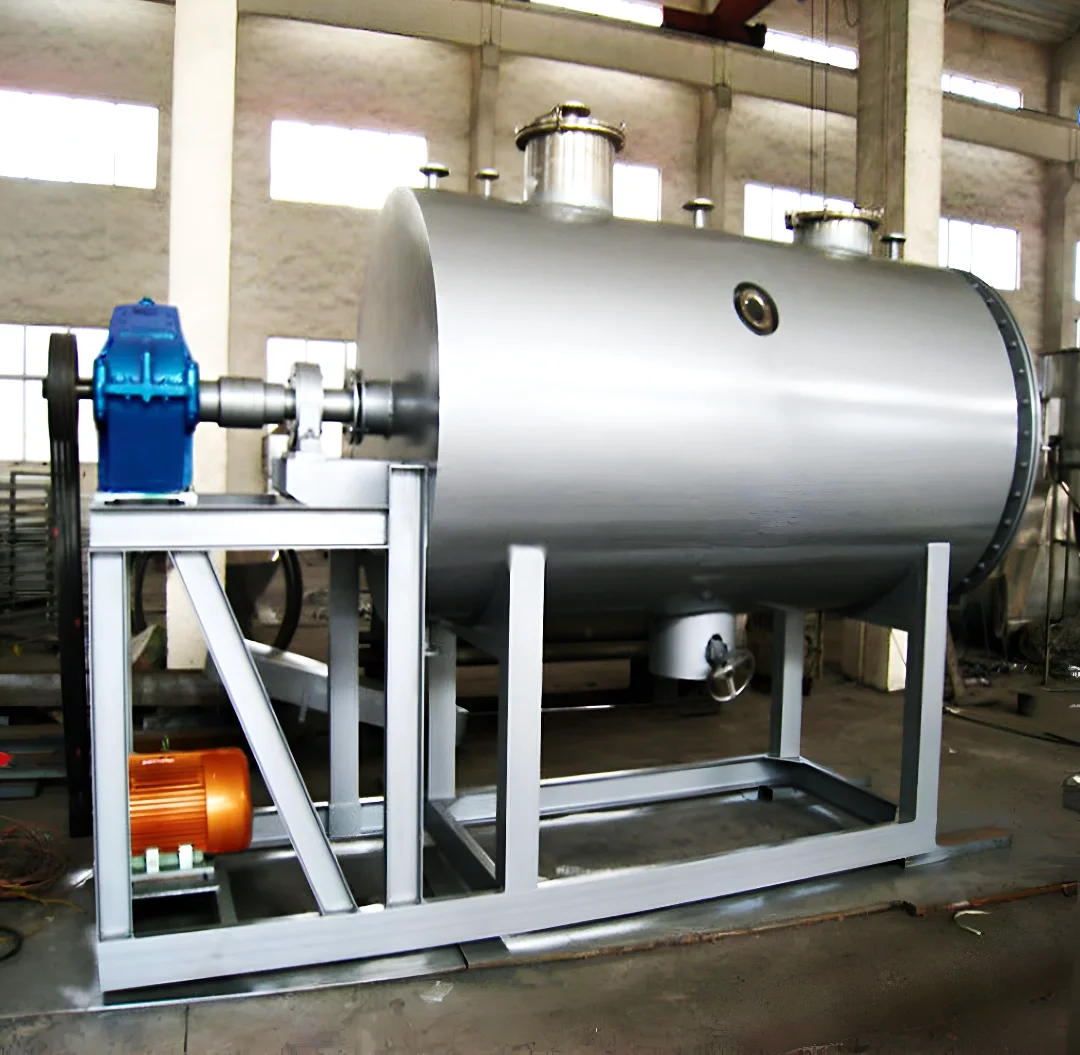
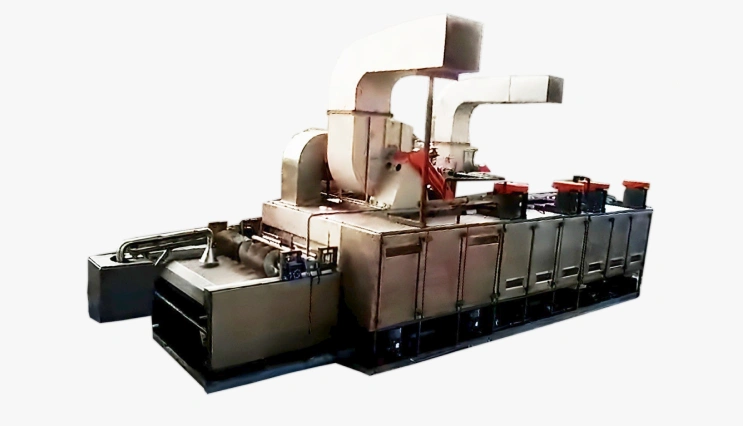
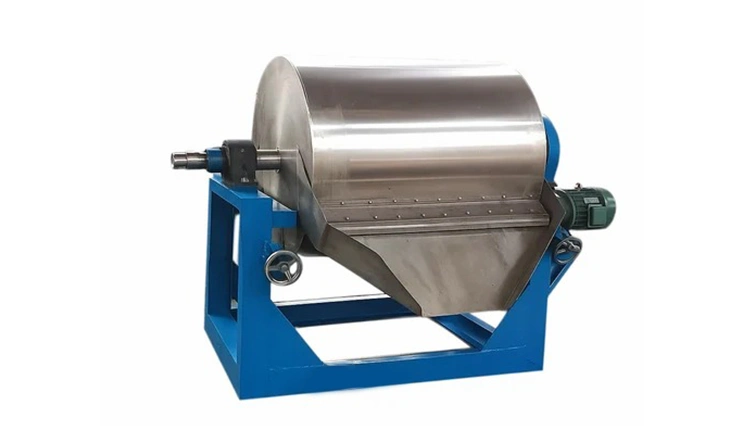
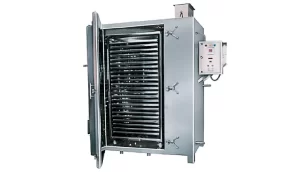
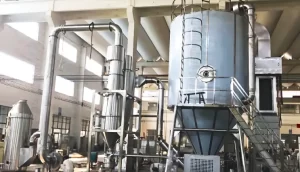
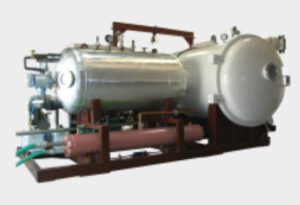
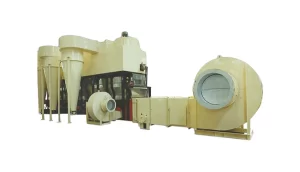
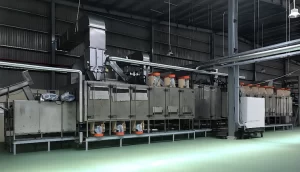
To dry natural plant & animal dyes, GEM recommends the Rotary Vacuum Dryer and Single-Pass Conveyor Dryer. Freeze Dryer / Lyophilizer, Single / Double Drum Dryer and Multi-Pass Conveyor Dryer are used when the feed or site calls for it. Every project starts with a pilot trial on your own sample.
Rotary vacuum dryers handle natural dye extracts at low temperature to protect colour, while single-pass belt dryers gently dry leaves, petals and roots. Freeze drying suits premium extracts, and drum dryers suit stable concentrates.
| Recommended dryer | Rotary Vacuum Dryer, Single-Pass Conveyor Dryer |
| Alternatives | Freeze Dryer / Lyophilizer, Single / Double Drum Dryer, Multi-Pass Conveyor Dryer |
| Application area | Dyes, Pigments & Intermediates |
| Industries | Dyes, Pigments & Inks, Textile & Dye Houses |
Gentle drying preserves colour strength, which defines value for natural dye buyers. Dried raw material can be stored and traded across seasons, while dried extracts reduce shipping weight and support sustainable-textile supply chains.
Plants searching for a natural dye dryer or comparing a plant dye drying machine usually need three answers: which dryer fits, what it costs to run, and how fast it pays back. For Natural Plant & Animal Dyes, we start from your throughput, current moisture and the target, trial a sample on the Rotary Vacuum Dryer, and return a sized recommendation with a budget quotation for your dyes and textile operation.
We trial your material in our pilot facility before any equipment decision, then size the dryer from real data.
Describe it in the form, or message an engineer directly.