Marigold petal drying is mainly done to supply lutein and zeaxanthin extraction plants and poultry pigment makers. The value lies in xanthophyll content, which buyers measure in grams per kilogram of dried meal. Flowers are often ensiled and pressed before drying, so the feed is a wet, compacted mass rather than loose petals.
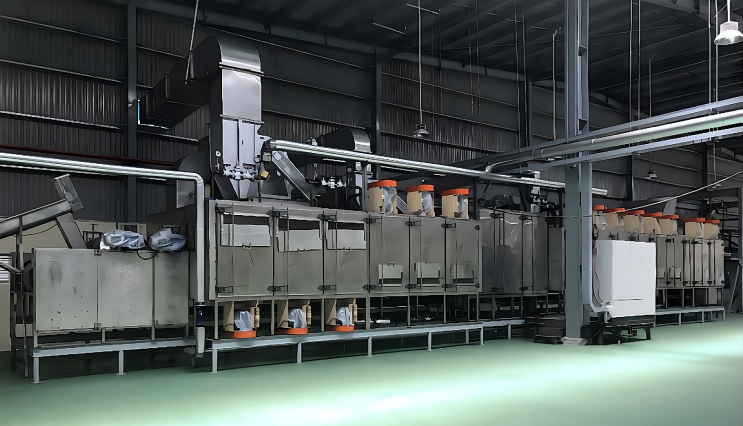
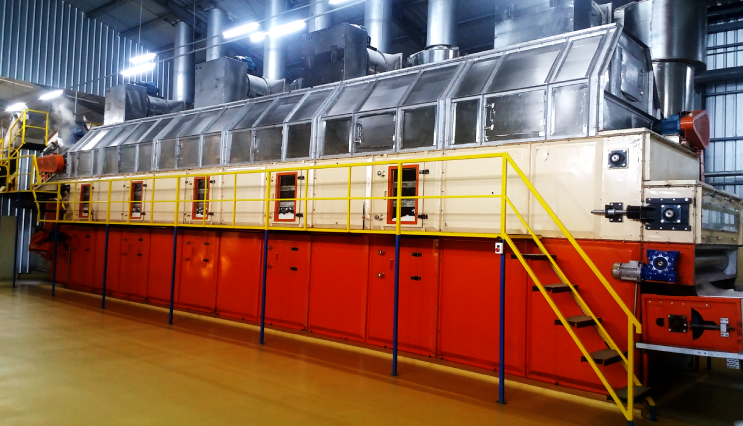
To dry marigold petals, GEM recommends the Band Dryer (Beltotherm). Typical moisture is 65–85% in the feed and 8–10% after drying. Mesh Belt Dryer and Multi-Pass Conveyor Dryer are used when the feed or site calls for it. Every project starts with a pilot trial on your own sample.
A Beltotherm band dryer handles crumbled, pressed petals as an even bed with controlled temperatures, limiting xanthophyll loss. A mesh-belt dryer is an economical alternative where tonnage is high; multi-pass dryers suit smaller units.
| Typical feed moisture | 65–85% |
| Typical target moisture | 8–10% |
| Recommended dryer | Band Dryer (Beltotherm) |
| Alternatives | Mesh Belt Dryer, Multi-Pass Conveyor Dryer |
| Application area | Herbal, Botanical & Nutraceutical |
| Industries | Nutraceuticals & Herbal, Chemicals & Specialty Chemicals |
Extraction plants pay on xanthophyll content, so every gram retained during drying adds revenue. Controlled drying also handles peak season volumes that sun drying cannot.
Plants searching for a marigold dryer or comparing a marigold petal drying machine usually need three answers: which dryer fits, what it costs to run, and how fast it pays back. For Marigold Petals, we start from your throughput, current moisture (typically 65–85%) and the target (8–10%), trial a sample on the Band Dryer, and return a sized recommendation with a budget quotation for your nutraceuticals and chemicals operation.
We trial your material in our pilot facility before any equipment decision, then size the dryer from real data.
Describe it in the form, or message an engineer directly.