3–6% → ≤0.5% moisture. About 5% of the feed weight leaves as water, so the product meets spec and handles freely.
Ammonium chloride drying is required for both technical crystals and the fertilizer grade co-produced in soda ash plants. The salt is aggressively corrosive to steel when moist, cakes hard in storage and dissociates into ammonia and hydrogen chloride if overheated, so air temperature and metallurgy are set carefully.
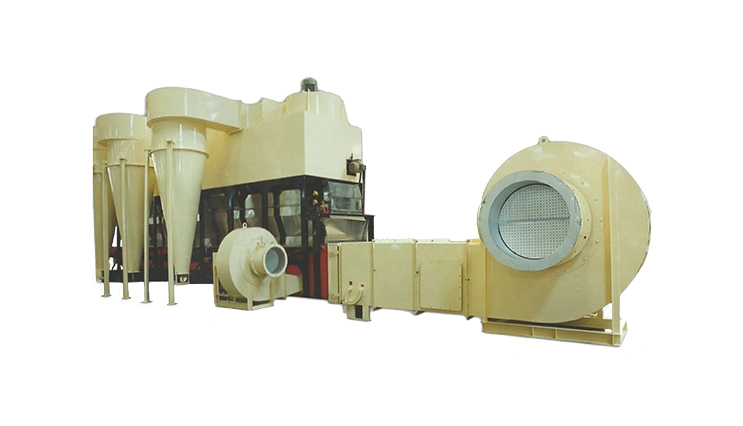
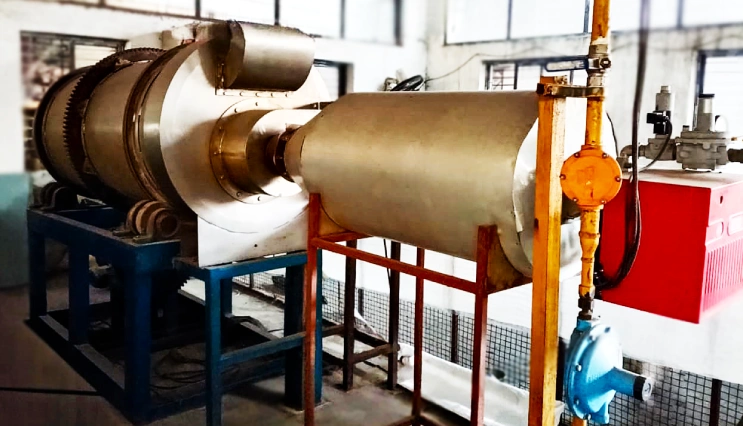
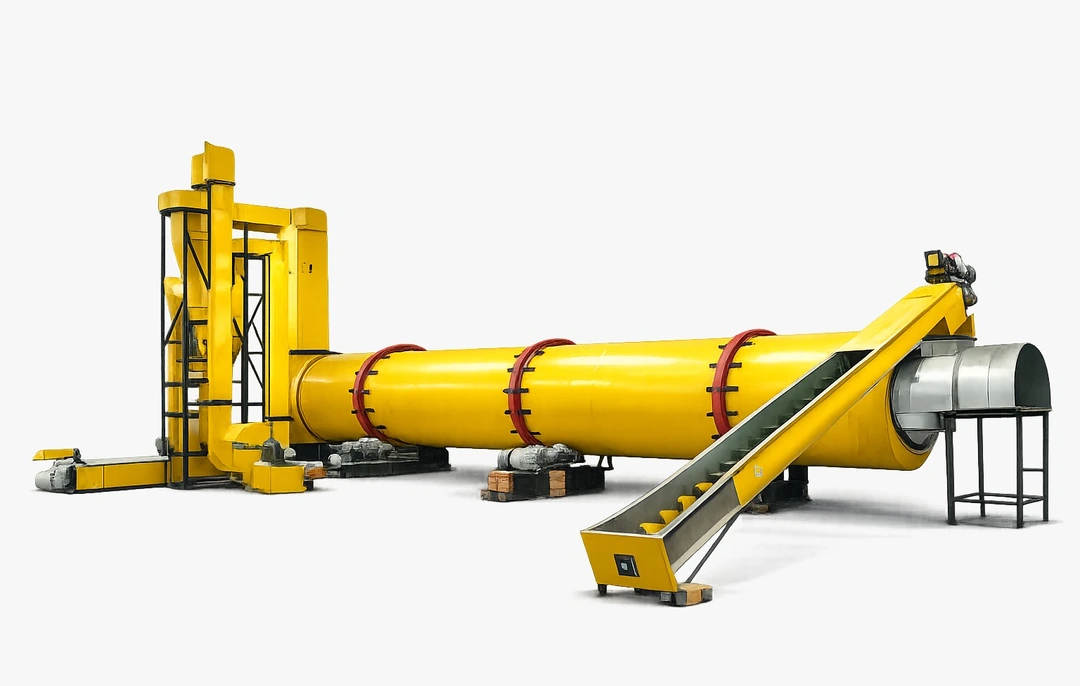
To dry ammonium chloride, GEM recommends the Vibratory Fluid Bed Dryer. Typical moisture is 3–6% in the feed and ≤0.5% after drying. Rotary Louvre Dryer and Rotary Dryer are used when the feed or site calls for it. Every project starts with a pilot trial on your own sample.
A vibratory fluid bed dries and cools centrifuged crystals in one compact, enclosed unit with modest air temperatures. Louvre and direct rotary dryers are chosen for high-tonnage fertilizer grades where coarser crystals and robust construction matter more than gentle handling.
| Typical feed moisture | 3–6% |
| Typical target moisture | ≤0.5% |
| Recommended dryer | Vibratory Fluid Bed Dryer |
| Alternatives | Rotary Louvre Dryer, Rotary Dryer |
| Application area | Chemicals & Salts |
| Industries | Chemicals & Specialty Chemicals, Fertilizers & Agrochemicals |
Free-flowing, dry ammonium chloride reaches fertilizer and flux buyers without caking claims, and corrosion-appropriate construction avoids the frequent panel and duct replacements seen in poorly specified dryers.
Plants searching for a ammonium chloride dryer or comparing a ammonium chloride drying plant usually need three answers: which dryer fits, what it costs to run, and how fast it pays back. For Ammonium Chloride, we start from your throughput, current moisture (typically 3–6%) and the target (≤0.5%), trial a sample on the Vibratory Fluid Bed Dryer, and return a sized recommendation with a budget quotation for your chemicals and fertilizers operation.
We trial your material in our pilot facility before any equipment decision, then size the dryer from real data.
Describe it in the form, or Message an Engineer directly →