


Biomass & Solid Fuel Drying
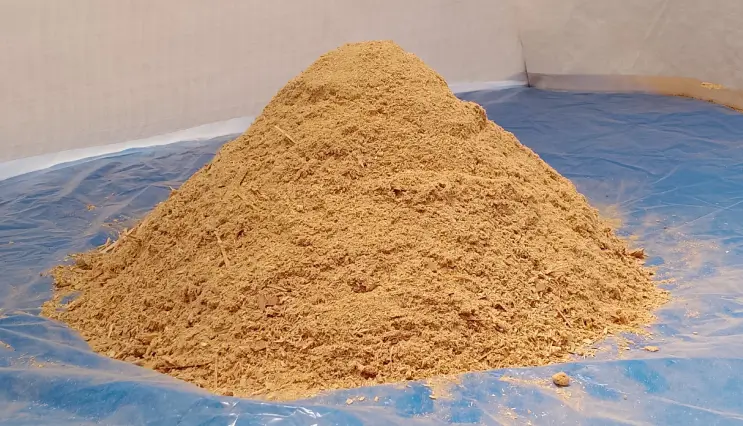
Biomass and solid fuels cover wood residues, agro wastes and processed waste fuels: sawdust, chips, bark, bagasse, palm fibre and EFB, coir pith, straw, stalks, RDF and SRF. Fresh material often holds 40–65% moisture, which lowers calorific value, causes unstable combustion and prevents pelleting. Drying to around 10–15% raises usable energy per tonne, steadies boiler and gasifier performance, and makes pellets, briquettes and torrefied fuel possible.
GEM dries 18 materials in Biomass and Solid Fuel, most often on the Mesh Belt Dryer (Meshotherm) and Hybrid Belt + Fluid Bed Dryer (Aerodryve). They are grouped into 2 sub-groups below, each with a moisture comparison table.
Biomass & Solid Fuel by group
More biomass & solid fuel materials
| Material | Feed moisture | Target | Recommended dryer |
|---|---|---|---|
| RDF & SRF | 25–40% | 10–15% | Mesh Belt Dryer |
| Sorted Municipal Waste | 40–60% | 15–20% | Rotary Cascade Dryer |
Dryer selection for biomass & solid fuel
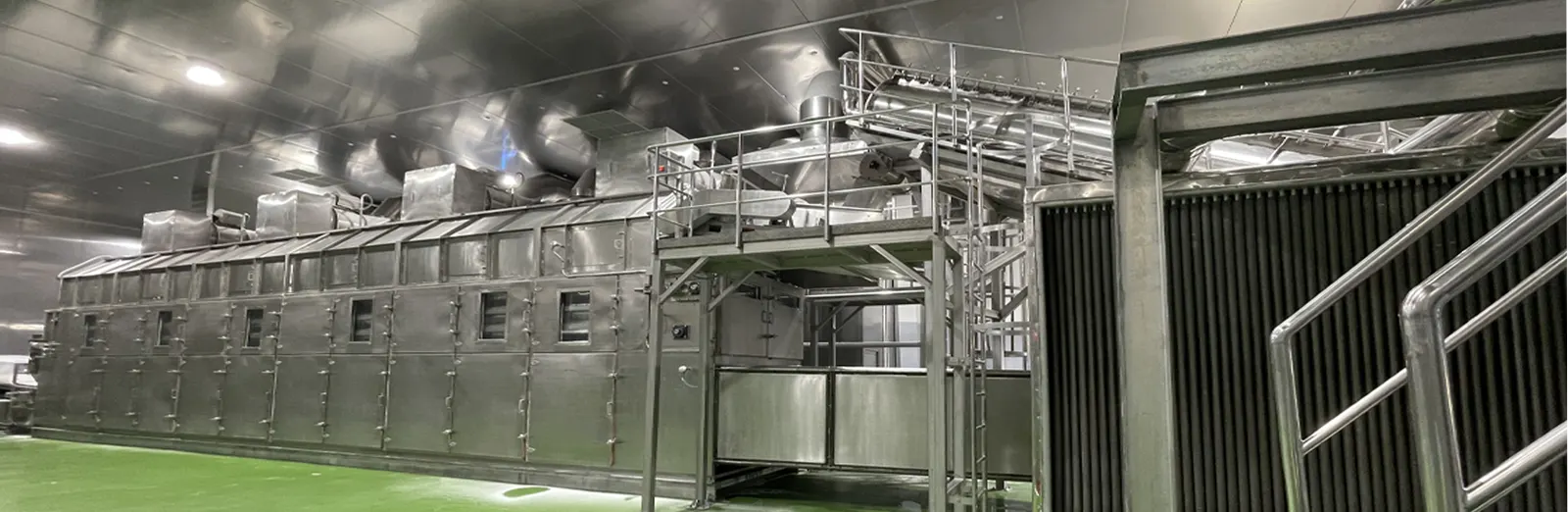
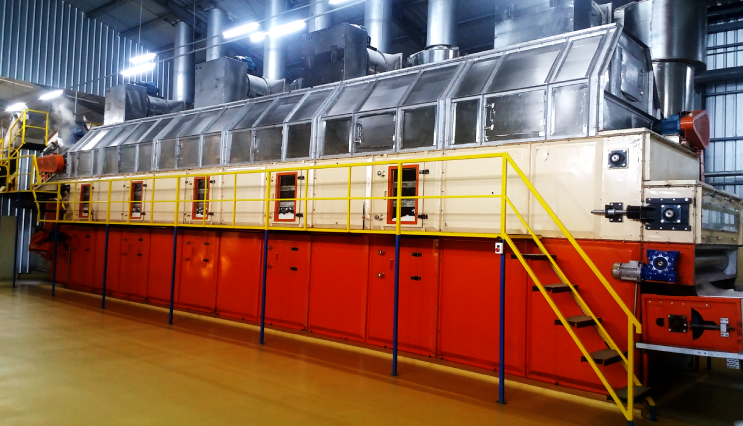
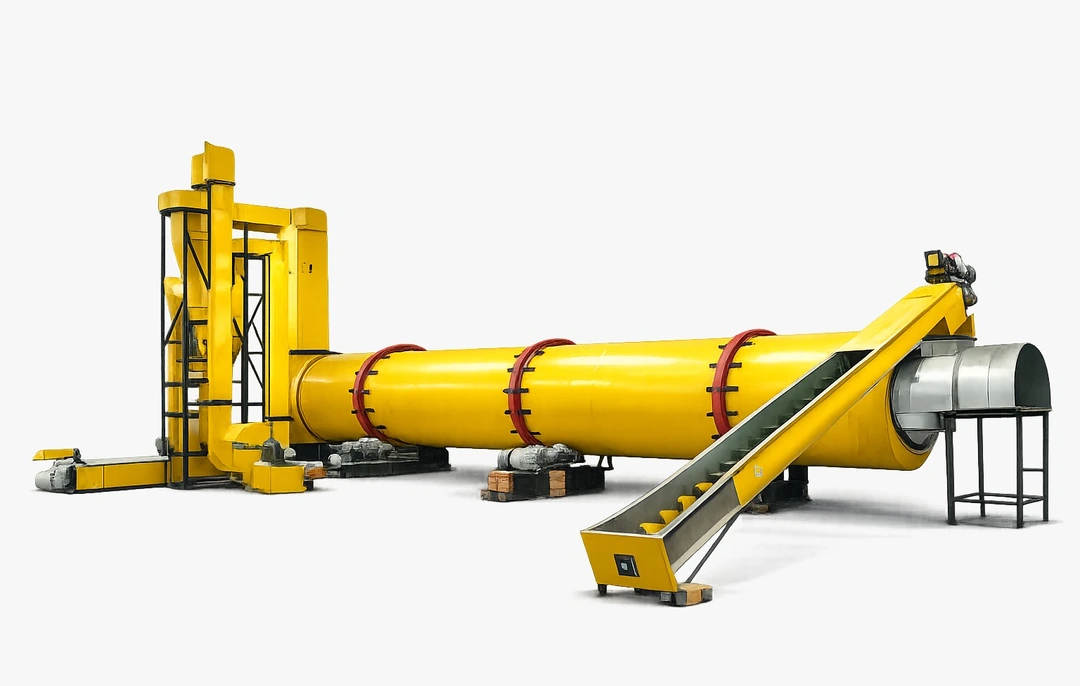
For most biomass we start with mesh belt dryers: low-temperature through-air drying that suits sawdust, chips, shavings, straw, palm fibre and RDF, uses waste heat well and keeps fire risk lower. The hybrid Aerodryve, combining belt drying with fluidisation, is chosen for wet, bulky feeds such as bagasse. Rotary dryers handle higher throughputs and rugged feeds like bark, rice husk, coir pith and cotton stalk, cascade rotary dryers take coarse sorted waste,. Coolers follow pellet mills.
| Feed moisture | 20–55% for most wood and agro residues; 60–80% for bark, coir pith, mushroom substrate |
| Target moisture | 8–12% for pellet and briquette feed; 10–20% for boiler and gasifier fuel |
| Drying temperature approach | Low to moderate air temperatures on belt dryers; higher inlet temperatures on rotary and cascade dryers |
| Heat sources | Biomass furnace, boiler flue gas, hot water, steam or recovered process heat |



What makes these materials hard to dry
- Particle size ranges from fine dust to long fibres and chips, which affects bed permeability, airflow and even drying.
- Dry biomass dust is combustible, so spark detection, temperature control and fire suppression must be built into the drying line.
- Fibrous, stringy feeds such as EFB, straw and bagasse can bridge, tangle or wrap around conveyors without proper feeding.
- Feed moisture swings with season, storage and rain, making outlet moisture control essential for pellet mills and boilers.
Why it pays back
Wet biomass is bought by the tonne but burned for its energy. Drying from around 50% to 10–15% moisture raises usable heat per tonne, reduces boiler fuel use and combustion problems, cuts haulage of water, and creates a feedstock that pellet and briquette plants can actually press.
Biomass & Solid Fuel: questions buyers ask
Why choose a belt dryer over a rotary dryer for biomass?
What moisture does biomass need before pelleting?
Can RDF and sorted municipal waste be dried?
Send us a sample. See it dried.
We trial your material in our pilot facility before any equipment decision, then size the dryer from real data.
- Tell us the material, moisture and throughput.
- An engineer confirms the trial plan and sample shipping.
- You get drying data and a sized recommendation with a budget quotation.
Material not listed? Talk to our technical expert.
Describe it in the form, or message an engineer directly.
