Sorted municipal waste drying reduces the high moisture of organic-rich city waste before it is processed into RDF, stabilised or sent to thermal treatment. In many regions food waste makes MSW very wet, so drying is what makes downstream screening and fuel recovery work.
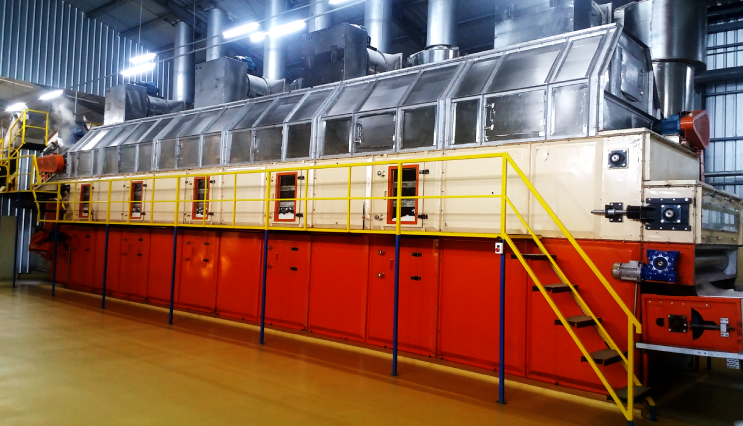
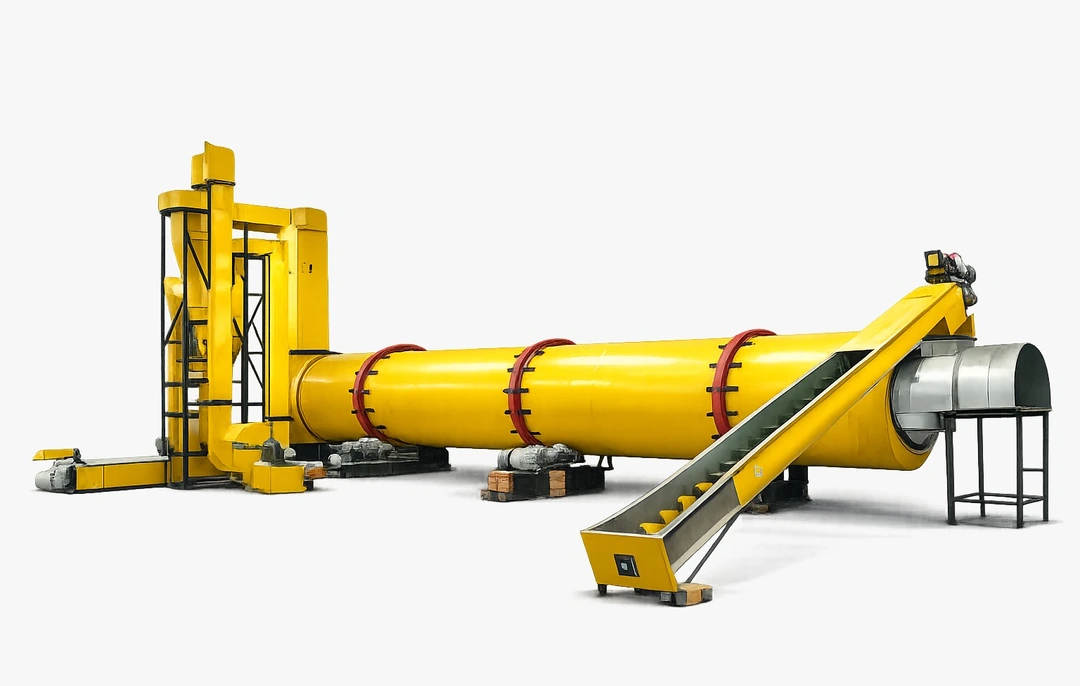
To dry sorted municipal waste, GEM recommends the Rotary Cascade Dryer. Typical moisture is 40–60% in the feed and 15–20% after drying. Mesh Belt Dryer and Rotary Dryer are used when the feed or site calls for it. Every project starts with a pilot trial on your own sample.
A rotary cascade dryer accepts coarse, mixed and contaminated sorted waste with high-temperature gas, giving large evaporation in a compact unit. A mesh belt suits finer, well-shredded fractions dried at low temperature to limit odour.
| Typical feed moisture | 40–60% |
| Typical target moisture | 15–20% |
| Recommended dryer | Rotary Cascade Dryer |
| Alternatives | Mesh Belt Dryer, Rotary Dryer |
| Application area | Biomass & Solid Fuel |
| Industries | Biomass, Bioenergy & Recycling, Wastewater & Environmental |
Drying improves sorting yield, reduces landfill tonnage and transport, and raises the fuel fraction that can be sold to cement plants. It also lowers leachate and methane from what remains.
Plants searching for a municipal waste dryer or comparing a MSW drying system usually need three answers: which dryer fits, what it costs to run, and how fast it pays back. For Sorted Municipal Waste, we start from your throughput, current moisture (typically 40–60%) and the target (15–20%), trial a sample on the Rotary Cascade Dryer, and return a sized recommendation with a budget quotation for your biomass and wastewater operation.
We trial your material in our pilot facility before any equipment decision, then size the dryer from real data.
Describe it in the form, or message an engineer directly.