RDF and SRF drying raises the calorific value of shredded waste-derived fuel so it meets cement kiln and boiler specifications. Refuse-derived fuel mixes paper, textile, plastic film and organics, so drying temperature must stay low enough to avoid melting plastics and releasing odour.
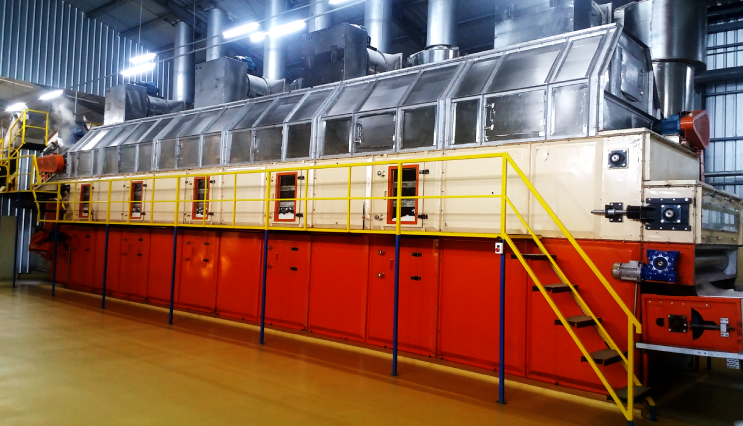
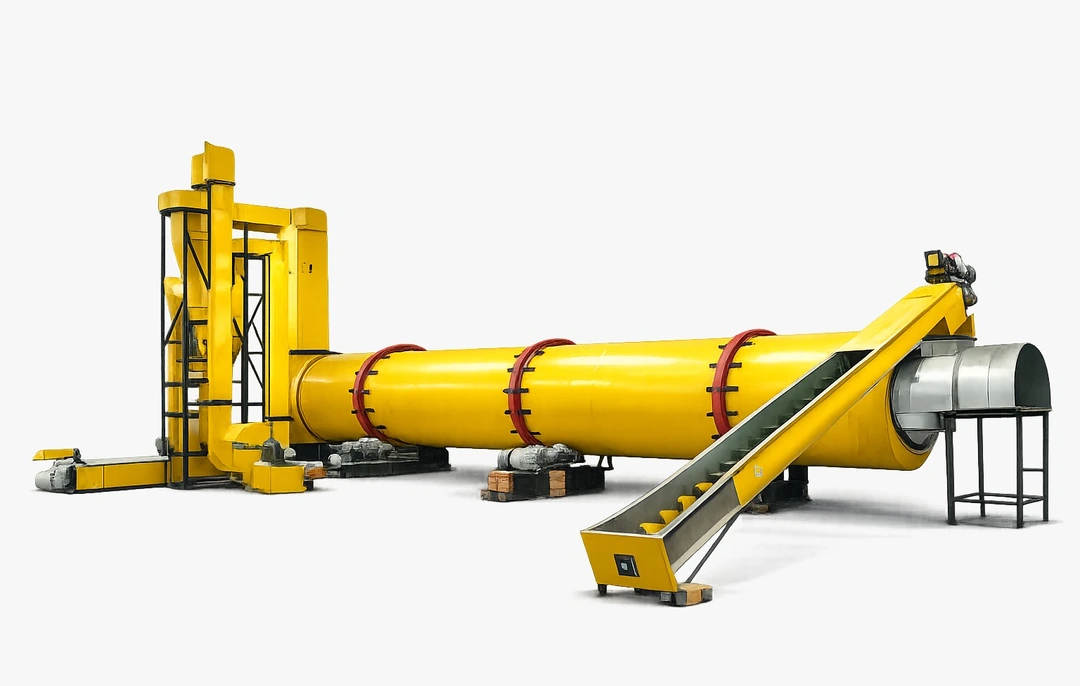
To dry RDF & SRF, GEM recommends the Mesh Belt Dryer (Meshotherm). Typical moisture is 25–40% in the feed and 10–15% after drying. Rotary Cascade Dryer and Rotary Dryer are used when the feed or site calls for it. Every project starts with a pilot trial on your own sample.
A mesh belt dries shredded RDF at low temperature, protecting plastics from melting and keeping odour and fire risk manageable. A cascade or plain rotary dryer is chosen for coarse, well-sorted fractions where hot gas and high throughput are preferred.
| Typical feed moisture | 25–40% |
| Typical target moisture | 10–15% |
| Recommended dryer | Mesh Belt Dryer (Meshotherm) |
| Alternatives | Rotary Cascade Dryer, Rotary Dryer |
| Application area | Biomass & Solid Fuel |
| Industries | Biomass, Bioenergy & Recycling, Wastewater & Environmental |
Dry RDF earns a better gate price from cement plants, lowers kiln heat penalty, and reduces truck loads. It also helps waste processors meet calorific value and moisture clauses in supply contracts.
Plants searching for a RDF dryer or comparing a SRF drying system usually need three answers: which dryer fits, what it costs to run, and how fast it pays back. For RDF & SRF, we start from your throughput, current moisture (typically 25–40%) and the target (10–15%), trial a sample on the Mesh Belt Dryer, and return a sized recommendation with a budget quotation for your biomass and wastewater operation.
We trial your material in our pilot facility before any equipment decision, then size the dryer from real data.
Describe it in the form, or message an engineer directly.