


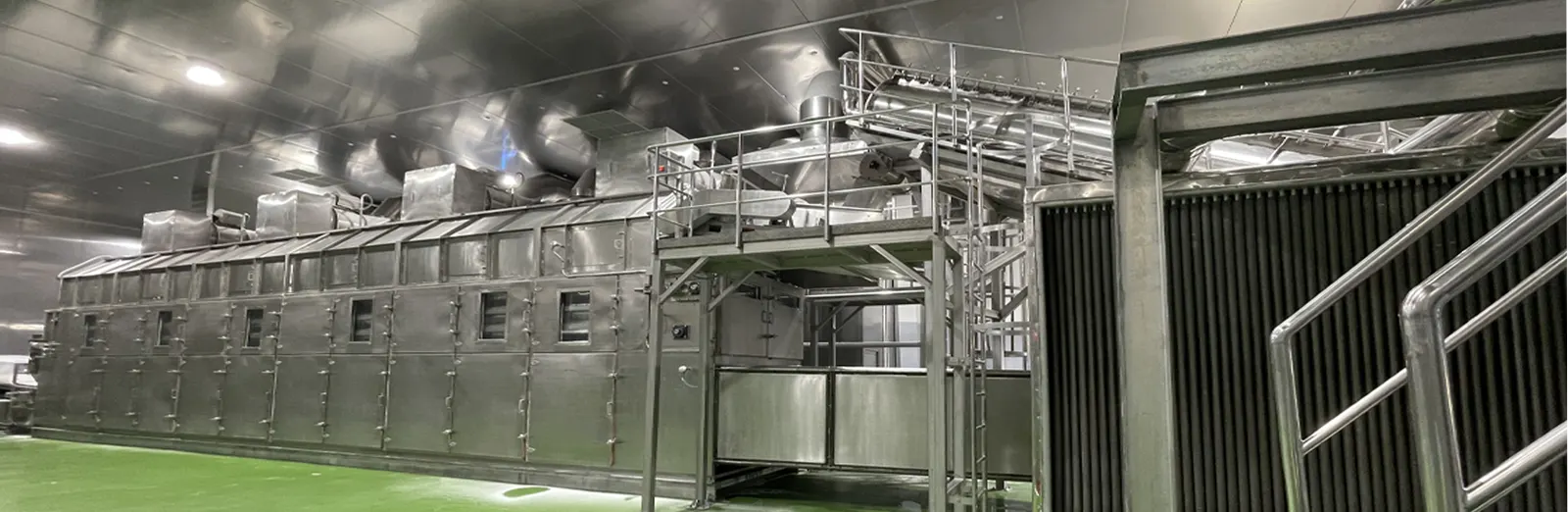
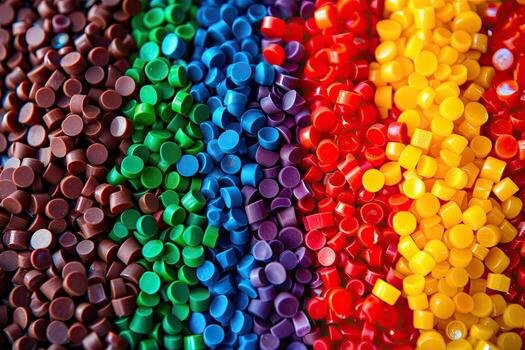
Polymers, Plastics & Resins Drying
Polymers, plastics and resins include plastic and polymer granules, polymeric and polypropylene beads, resin powders, organic and phenolic resins, polymer process streams, fibres, recycled PET flakes and rubber crumb. After washing, polymerisation or pelletising they carry surface water or residual solvent. Removing it to low levels prevents defects in moulding and extrusion, keeps powders free-flowing and lets molten resins be handled as flakes.
GEM dries 10 materials in Polymers, Plastics and Resins, most often on the Vibratory Fluid Bed Dryer and Combination Fluid Bed Dryer. The table below compares typical moisture and the recommended dryer for each one.
Polymers, Plastics & Resins: moisture and dryer by material
| Material | Feed moisture | Target | Recommended dryer |
|---|---|---|---|
| Polymer Granules | Pilot trial | To spec | Combination Fluid Bed Dryer |
| Polymeric Beads | Pilot trial | To spec | Vibratory Fluid Bed Dryer |
| Expanded Polypropylene (EPP) Beads | Pilot trial | To spec | Vibratory Fluid Bed Dryer |
| Resin Powders | 20–30% | To spec | Flash Dryer / Vibratory Fluid Bed Dryer |
| Organic Resins | Pilot trial | To spec | Drum Flaker / Paddle Dryer |
| Phenolic Resin | Pilot trial | To spec | Drum Flaker |
| Polymer Process Streams | Pilot trial | To spec | Paddle Dryer / Combination Fluid Bed Dryer |
| Fibres | Pilot trial | To spec | Band Dryer / Multi-Pass Conveyor Dryer |
| Recycled PET Flakes | 1–3% | <1% | Vibratory Fluid Bed Dryer |
| Rubber Crumb | Pilot trial | <1% | Vibratory Fluid Bed Dryer |
Dryer selection for polymers, plastics & resins
Granules, beads, PET flakes and rubber crumb are dried in vibratory or combination fluid bed dryers, which remove surface water quickly at controlled temperatures. Fine resin powders suit flash dryers. Molten organic and phenolic resins are solidified on drum flakers, and polymer process streams or solvent-wet resins go to sealed, indirectly heated paddle dryers. Fibres are dried on band or multi-pass conveyor dryers, and coolers bring product down to handling temperature.
| Feed moisture | Surface moisture of about 1–5% for washed granules and flakes; 20–30% for wet resin powders |
| Target moisture | Below 1% for granules, flakes and crumb; grade-specific limits for resins and powders |
| Drying approach | Fluid bed or flash drying below the softening point; sealed indirect drying for solvent-bearing streams; flaking for melts |
| Heat sources | Steam, thermal oil, electric or gas-fired air heaters |


What makes these materials hard to dry
- Polymers soften or stick near their glass transition or melting point, which caps the drying temperature for each grade.
- Even small residual moisture causes voids, splay and hydrolysis in moulding and extrusion, especially with recycled PET.
- Resin powders and fine polymers can form explosive dust clouds and may carry flammable residual monomer or solvent.
- Light, static-prone granules and fibres can carry over in exhaust air or bridge in hoppers and chutes.
Why it pays back
Dry, free-flowing polymer runs cleanly through moulding and extrusion, reduces rejects caused by moisture, and lets recyclers sell washed flakes and crumb at better grades. Flaking resins and recovering solvent from process streams also simplify handling and cut losses.
Polymers, Plastics & Resins: questions buyers ask
Can a fluid bed dryer handle recycled PET flakes?
What is the safe drying temperature for polymer granules?
How are phenolic and organic resins converted to flakes?
Send us a sample. See it dried.
We trial your material in our pilot facility before any equipment decision, then size the dryer from real data.
- Tell us the material, moisture and throughput.
- An engineer confirms the trial plan and sample shipping.
- You get drying data and a sized recommendation with a budget quotation.
Material not listed? Talk to our technical expert.
Describe it in the form, or message an engineer directly.
