Resin powder drying applies to water-wet resins from suspension or emulsion processes, such as PVC, which leave centrifuges as damp powder or cake. Fine resin powders dry quickly but create combustible dust, so the system must combine fast drying with explosion protection and careful dust collection.
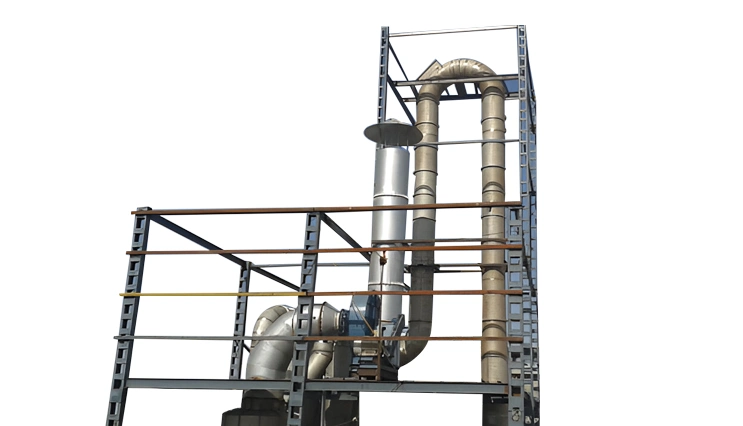
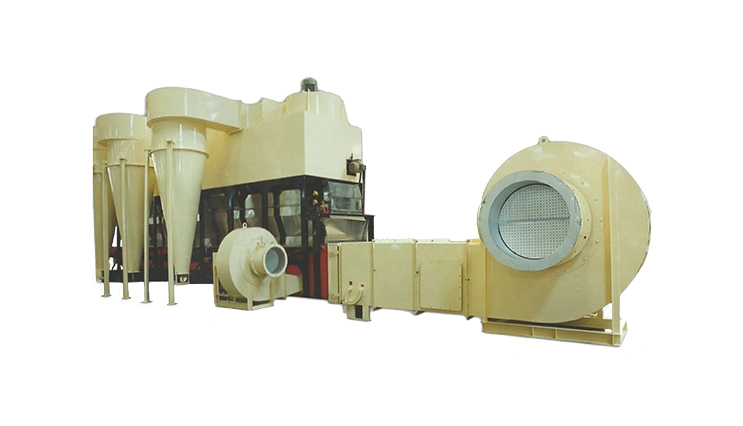
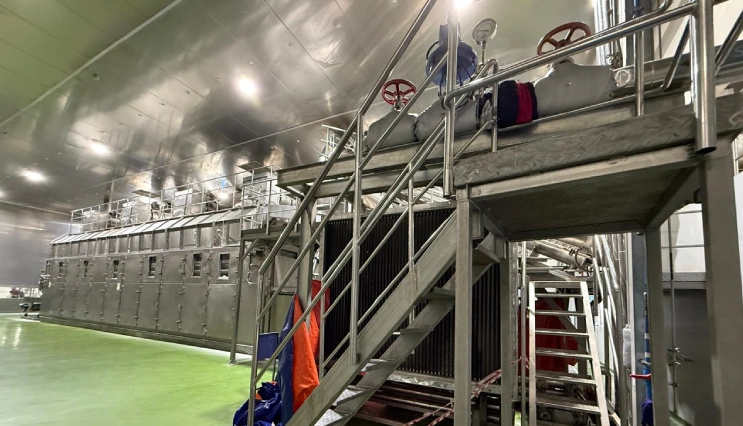
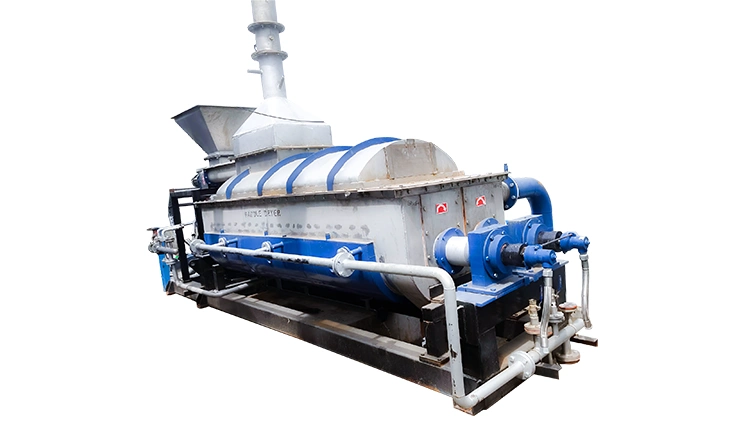
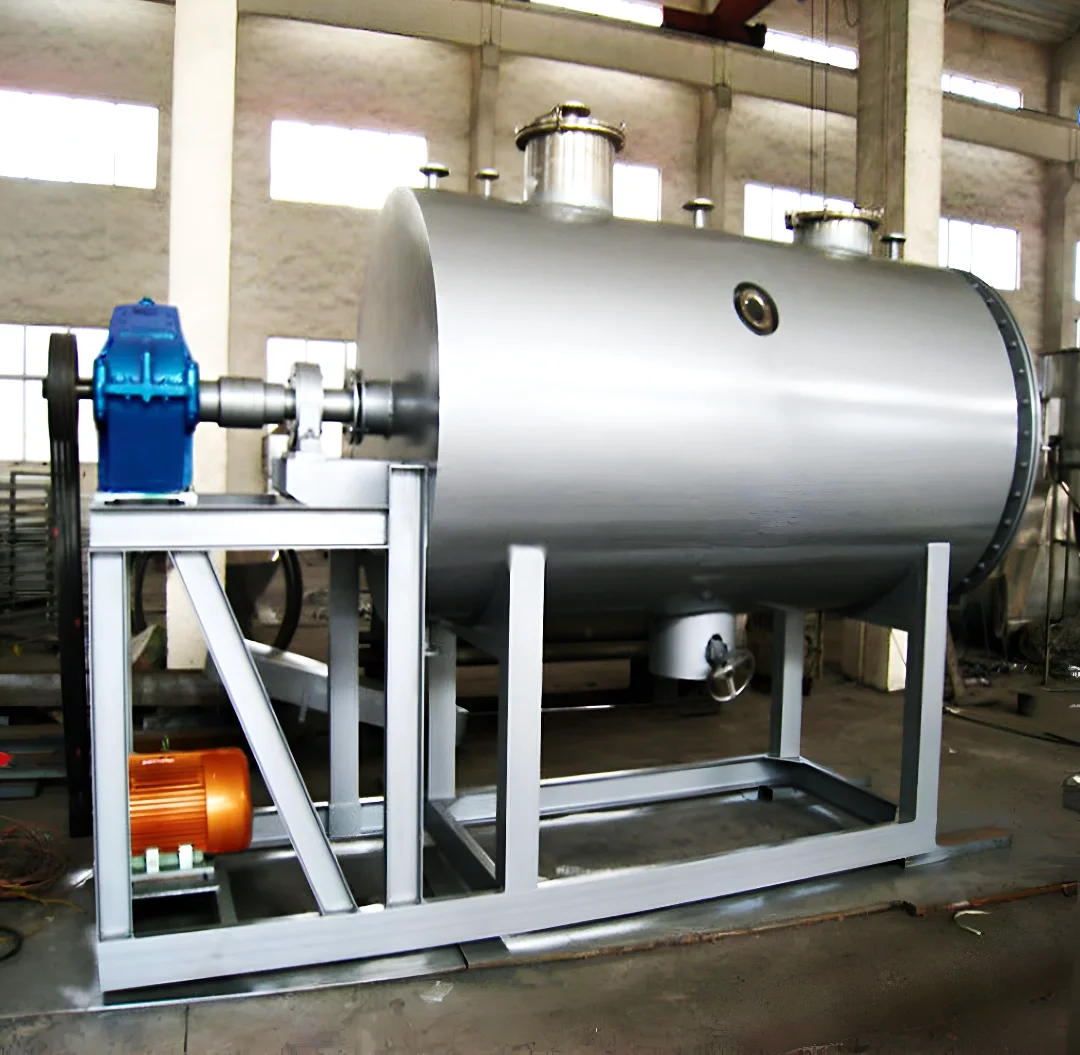
To dry resin powders, GEM recommends the Flash Dryer and Vibratory Fluid Bed Dryer. Combination Fluid Bed Dryer, Paddle Dryer and Rotary Vacuum Dryer are used when the feed or site calls for it. Every project starts with a pilot trial on your own sample.
A flash dryer removes surface moisture from water-wet resin cake in seconds, followed by a fluid bed to finish drying gently. Paddle or vacuum dryers are chosen for solvent-wet or heat-sensitive resin powders that need indirect heating.
| Typical feed moisture | 20–30% |
| Recommended dryer | Flash Dryer, Vibratory Fluid Bed Dryer |
| Alternatives | Combination Fluid Bed Dryer, Paddle Dryer, Rotary Vacuum Dryer |
| Application area | Polymers, Plastics & Resins |
| Industries | Polymers, Rubber & Resins, Chemicals & Specialty Chemicals |
Efficient two-stage drying produces free-flowing resin powders that meet the volatile-matter limits compounders set. Designing dust and explosion safety in from the start protects people, assets and insurance cover.
Plants searching for a resin powder dryer or comparing a pvc resin drying system usually need three answers: which dryer fits, what it costs to run, and how fast it pays back. For Resin Powders, we start from your throughput, current moisture (typically 20–30%) and the target, trial a sample on the Flash Dryer, and return a sized recommendation with a budget quotation for your polymers and chemicals operation.
We trial your material in our pilot facility before any equipment decision, then size the dryer from real data.
Describe it in the form, or message an engineer directly.