Polymer Granules

Polymer Granule Drying

Polymer granule drying is needed after granulation, washing or wet pelletising in compounding and polymer production plants. These granules range from engineering polymers to additive masterbatches, and plants often want drying and cooling in one line to deliver free-flowing product at a controlled temperature to silos.

Quick answer

To dry polymer granules, GEM recommends the Combination Fluid Bed Dryer. Vibratory Fluid Bed Dryer, Direct / Indirect Rotary Dryer and Industrial Cooler are used when the feed or site calls for it. Every project starts with a pilot trial on your own sample.

1998established112+installations7countriesDried & Testedin-house pilot trialsCertifications · Case studies
The challenge

What makes Polymer Granules hard to dry

  • Granules close to their softening point stick together and form agglomerates that block chutes.
  • Additives and pigments in masterbatch can migrate or discolour when exposed to excess heat.
  • Cooling after drying is needed so warm granules do not block in silos or fuse under bag weight.
  • A wide particle size range affects fluidisation, letting fines blow over while coarse granules stay wet.
How GEM dries it

The right dryer for Polymer Granules

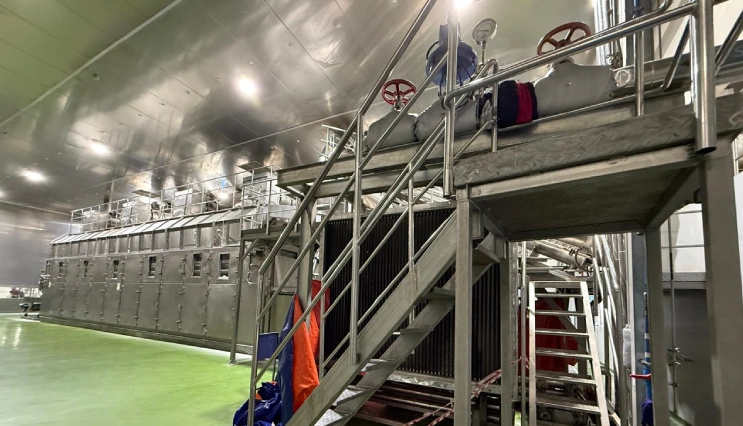
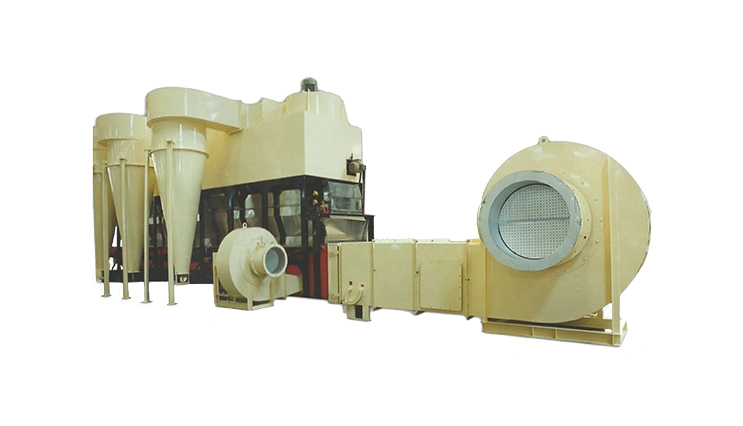
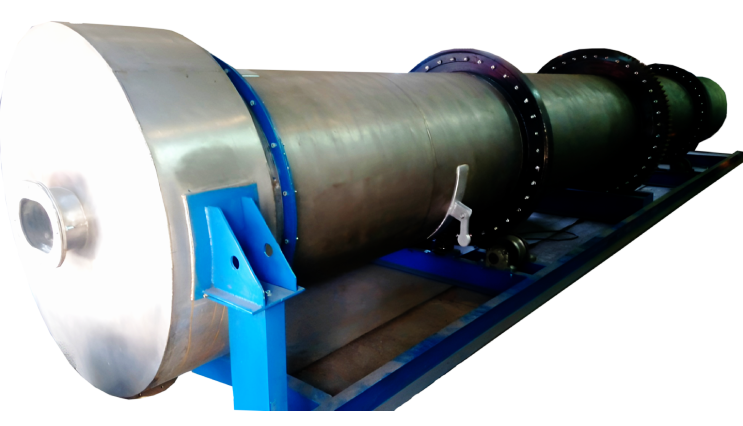
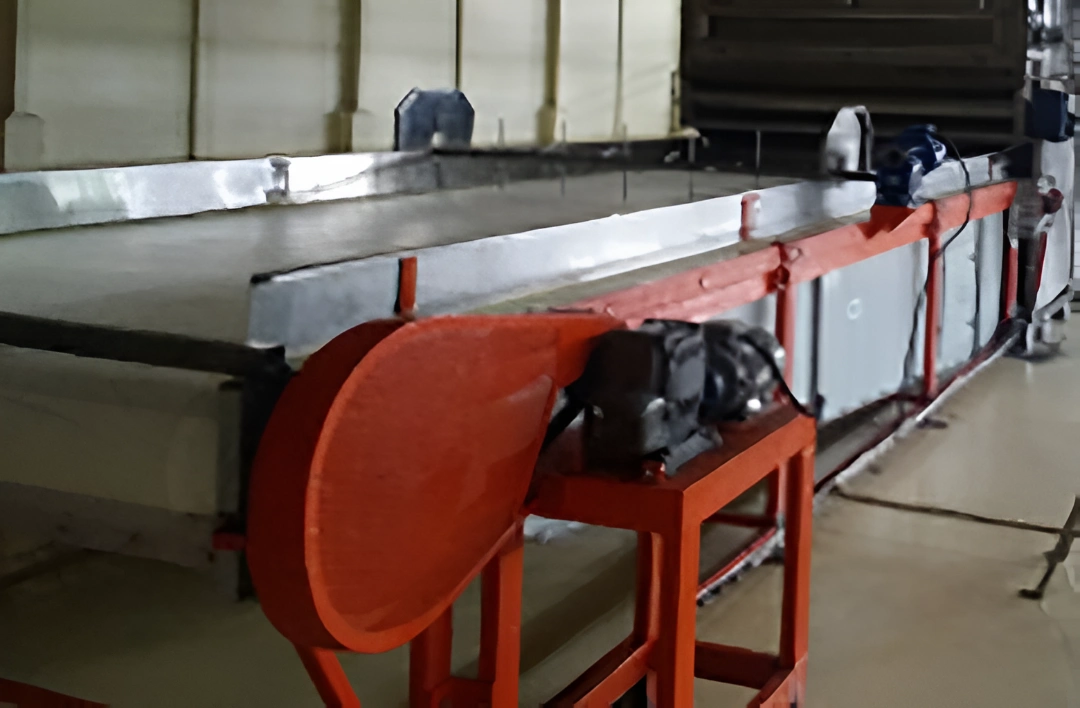
A combination fluid bed dryer provides separate drying and cooling zones with controlled air temperatures for polymer granules. A vibratory fluid bed is chosen for simpler, smaller lines, and an indirect rotary dryer for coarse or contained granules.

Recommended dryerCombination Fluid Bed Dryer
AlternativesVibratory Fluid Bed Dryer, Direct / Indirect Rotary Dryer, Industrial Cooler
Application areaPolymers, Plastics & Resins
IndustriesPolymers, Rubber & Resins
The value

What drying Polymer Granules unlocks

Dry, cool granules flow reliably into silos and packaging, reducing blockages and quality claims. Integrated drying and cooling lines save floor space and handling steps.

Dried Polymer Granules becomes

  • Engineering polymer granules
  • Additive masterbatch
  • Compounded polymer pellets
For buyers

Buying a Polymer Granules dryer?

Plants searching for a polymer granule dryer or comparing a plastic granule dryer usually need three answers: which dryer fits, what it costs to run, and how fast it pays back. For Polymer Granules, we start from your throughput, current moisture and the target, trial a sample on the Combination Fluid Bed Dryer, and return a sized recommendation with a budget quotation for your polymers operation.

FAQ

Polymer Granules: questions buyers ask

Why combine drying and cooling for polymer granules?
Warm granules can stick in silos and bags. A combination fluid bed dries them in the first zones and cools them in the last, reducing transfers, handling damage and blocking issues.
Can fluid beds handle mixed granule sizes?
Yes, within limits. Air velocity is set for the expected size range, and fines are captured in a cyclone. Pilot trials on your granules confirm fluidisation and drying uniformity.
Related

Related materials

Compare all 10 materials in Polymers, Plastics & Resins.

Send us a sample. See it dried.

We trial your material in our pilot facility before any equipment decision, then size the dryer from real data.

  1. Tell us the material, moisture and throughput.
  2. An engineer confirms the trial plan and sample shipping.
  3. You get drying data and a sized recommendation with a budget quotation.

Material not listed? Talk to our technical expert.

Describe it in the form, or message an engineer directly.

Request a trial or quotation

    An engineer replies within one working day. We never share your details.

    whatsapp