Polymeric bead drying follows suspension polymerisation or bead formation, where spherical beads are separated from water by filtration or centrifuging. These beads, used in ion-exchange resins, adsorbents and specialty polymers, must keep their shape and size distribution, so drying has to remove moisture without cracking or fusing the beads.
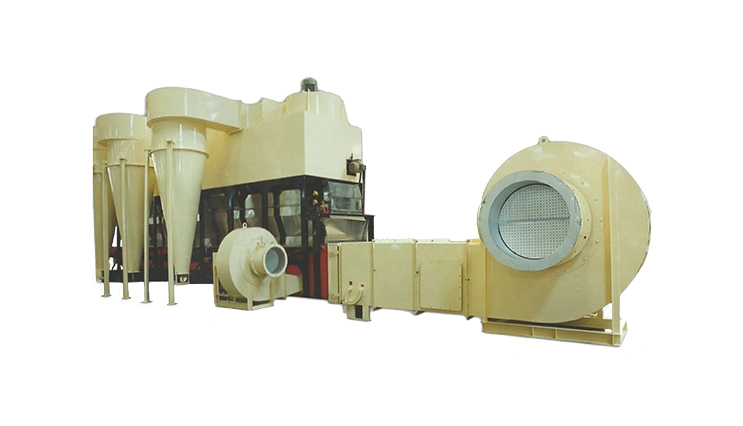
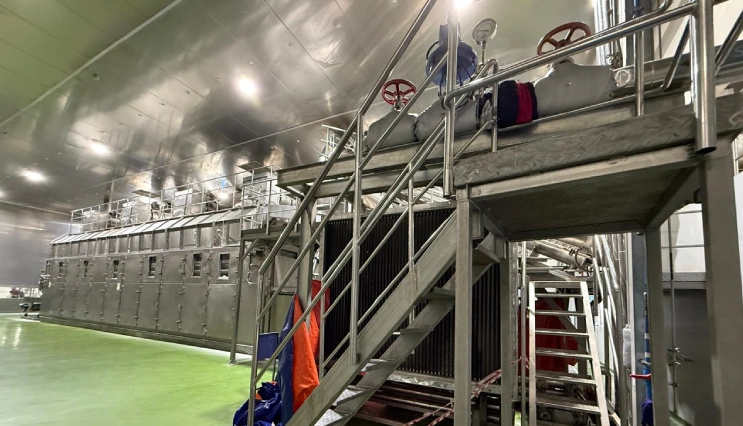
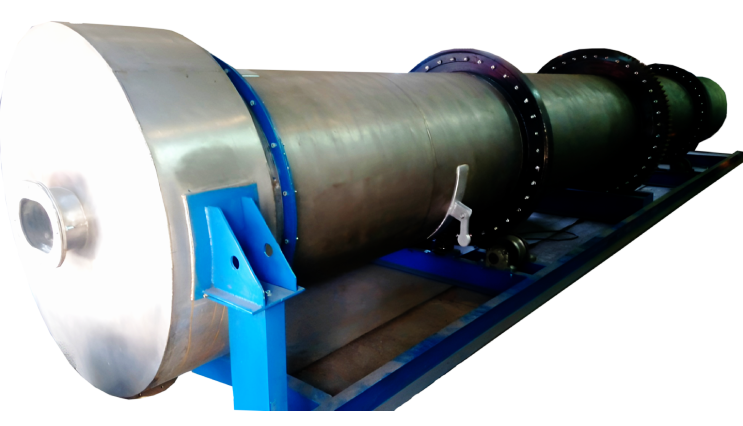
To dry polymeric beads, GEM recommends the Vibratory Fluid Bed Dryer. Combination Fluid Bed Dryer and Direct / Indirect Rotary Dryer are used when the feed or site calls for it. Every project starts with a pilot trial on your own sample.
A vibratory fluid bed dries beads gently in a fluidised layer, limiting attrition and heat stress. A combination fluid bed suits multi-stage drying and cooling, and an indirect rotary dryer is used for contained or dusty bead products.
| Recommended dryer | Vibratory Fluid Bed Dryer |
| Alternatives | Combination Fluid Bed Dryer, Direct / Indirect Rotary Dryer |
| Application area | Polymers, Plastics & Resins |
| Industries | Polymers, Rubber & Resins |
Protecting bead integrity maintains product performance in columns and the price buyers pay for it. Controlled drying also helps meet the moisture specifications that some bead products must hold on dispatch.
Plants searching for a polymeric bead dryer or comparing a resin bead drying machine usually need three answers: which dryer fits, what it costs to run, and how fast it pays back. For Polymeric Beads, we start from your throughput, current moisture and the target, trial a sample on the Vibratory Fluid Bed Dryer, and return a sized recommendation with a budget quotation for your polymers operation.
We trial your material in our pilot facility before any equipment decision, then size the dryer from real data.
Describe it in the form, or Message an Engineer directly →