


Dyes, Pigments & Intermediates Drying
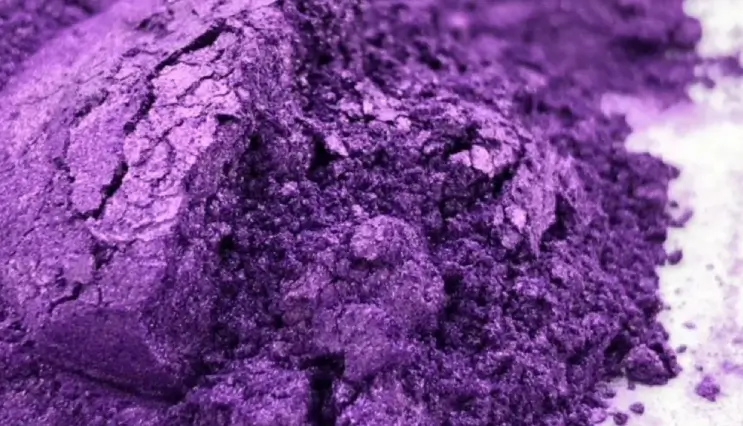
Dyes, pigments and intermediates include acid, reactive, disperse and sulphur dyes, organic and inorganic pigments, natural plant and animal dyes, and intermediates such as BDSA salts. Most leave the filter press as a wet presscake, typically at 40–75% moisture. Drying must deliver a fine, dispersible powder with consistent shade, strength and solubility, because customers judge colour quality in every batch they dye or print.
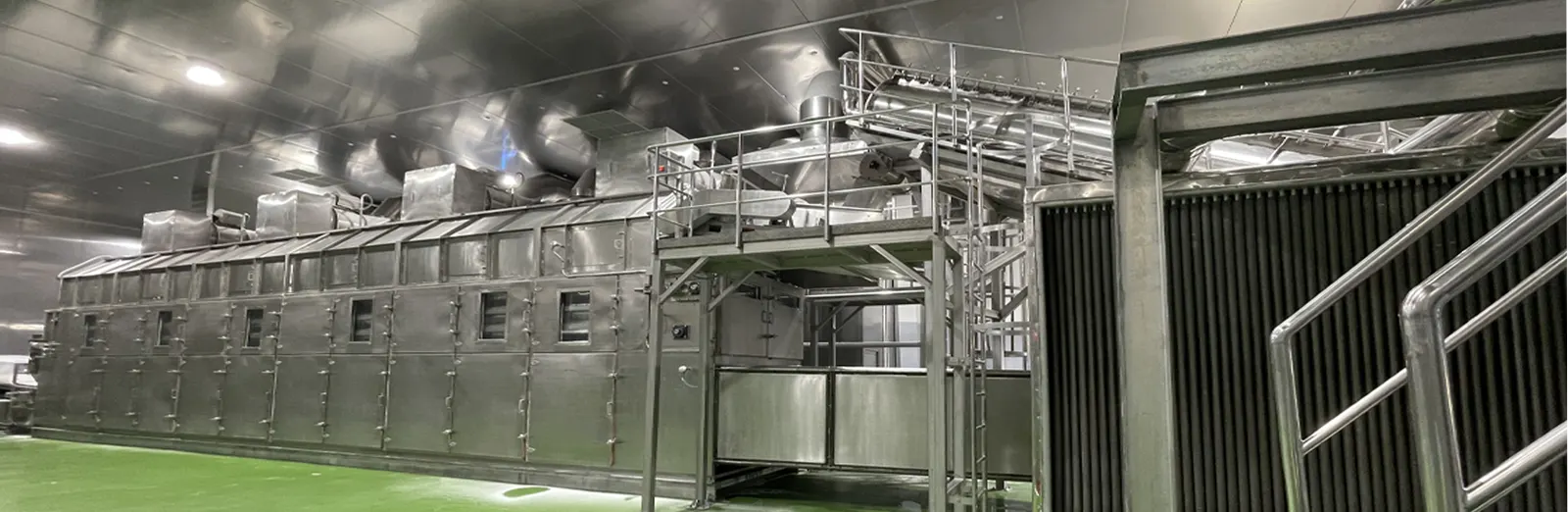
GEM dries 8 materials in Dyes, Pigments and Intermediates, most often on the Flash Dryer and Paddle Dryer. The table below compares typical moisture and the recommended dryer for each one.
Dyes, Pigments & Intermediates: moisture and dryer by material
| Material | Feed moisture | Target | Recommended dryer |
|---|---|---|---|
| Acid Dyes | 40–60% | 2–5% | Flash Dryer |
| Reactive Dyes | Pilot trial | 2–5% | Paddle Dryer / Rotary Vacuum Dryer |
| Disperse Dyes | 40–60% | 2–5% | Flash Dryer |
| Sulphur Black | Pilot trial | To spec | Paddle Dryer |
| Dye Intermediates | Pilot trial | To spec | Paddle Dryer / Rotary Vacuum Dryer |
| Pigments | 50–75% | 0.5–2% | Flash Dryer |
| Natural Plant & Animal Dyes | Pilot trial | To spec | Rotary Vacuum Dryer / Single-Pass Conveyor Dryer |
| Sodium Salt of BDSA | Pilot trial | To spec | Paddle Dryer |
Dryer selection for dyes, pigments & intermediates
Filter cakes of acid and disperse dyes and pigments that break up into fine particles are dried in flash dryers, where drying takes seconds and product temperature stays low. Reactive dyes, sulphur black, BDSA salts and intermediates that are sticky, heat sensitive or solvent-wet go to paddle dryers or rotary vacuum dryers, which dry indirectly in a sealed vessel. Agitated thin film and drum dryers handle liquid dye solutions, and natural dyes may use single-pass conveyor or vacuum drying.
| Feed moisture | 40–75% for presscakes from filter presses |
| Target moisture | About 0.5–5%, depending on dye class and pigment specification |
| Drying approach | Short-contact flash drying for dispersible cakes; indirect paddle or vacuum drying for sticky, reactive or solvent-wet products |
| Heat sources | Steam, thermal oil or gas-fired indirect air heaters |


What makes these materials hard to dry
- Shade, tinctorial strength and solubility change if the dye is overheated, so product temperature must be tightly controlled.
- Many presscakes pass through a sticky, pasty phase that fouls heated surfaces and forms lumps in the dryer.
- Fine coloured dust contaminates equipment and surroundings, so collection, containment and cleanability matter at shade changes.
- Some intermediates are reactive, solvent-wet or hazardous and need closed, indirect drying with proper vapour handling.
Why it pays back
Reliable drying protects the shade and strength a dye house pays for, cuts batch rejections and re-blending to correct colour, and reduces product lost as dust. Closed drying of solvent-wet intermediates also supports compliance and solvent recovery.
Dyes, Pigments & Intermediates: questions buyers ask
Why are flash dryers used for dyes and pigments?
Which dryer suits reactive dyes?
How do you manage colour changeovers on the dryer?
Send us a sample. See it dried.
We trial your material in our pilot facility before any equipment decision, then size the dryer from real data.
- Tell us the material, moisture and throughput.
- An engineer confirms the trial plan and sample shipping.
- You get drying data and a sized recommendation with a budget quotation.
Material not listed? Talk to our technical expert.
Describe it in the form, or message an engineer directly.
