Disperse dyes drying must protect the very fine particle size that lets these low-solubility dyes colour polyester, acetate and nylon. Presscake is milled with dispersing agents, so the dryer must avoid hard aggregates that will not redisperse in the dyebath. Some disperse dyes also sublime at elevated temperature, which limits drying heat.
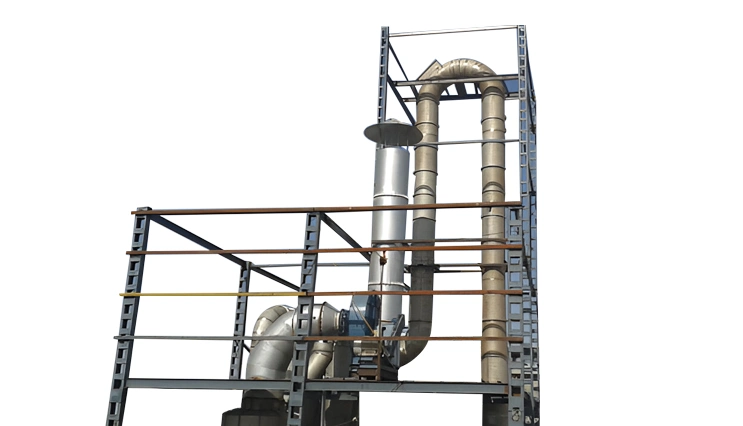
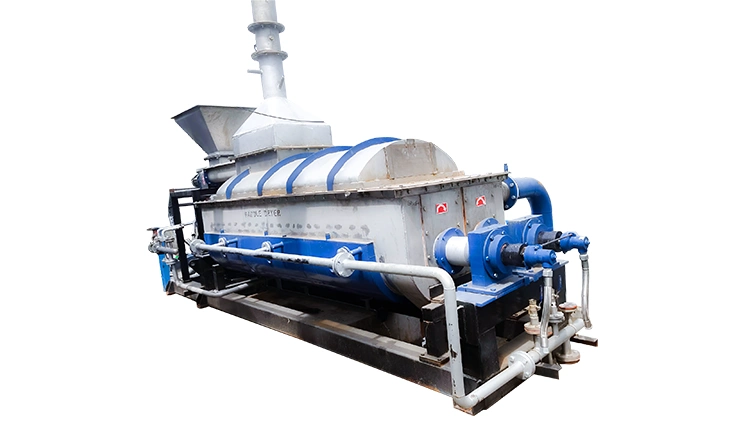
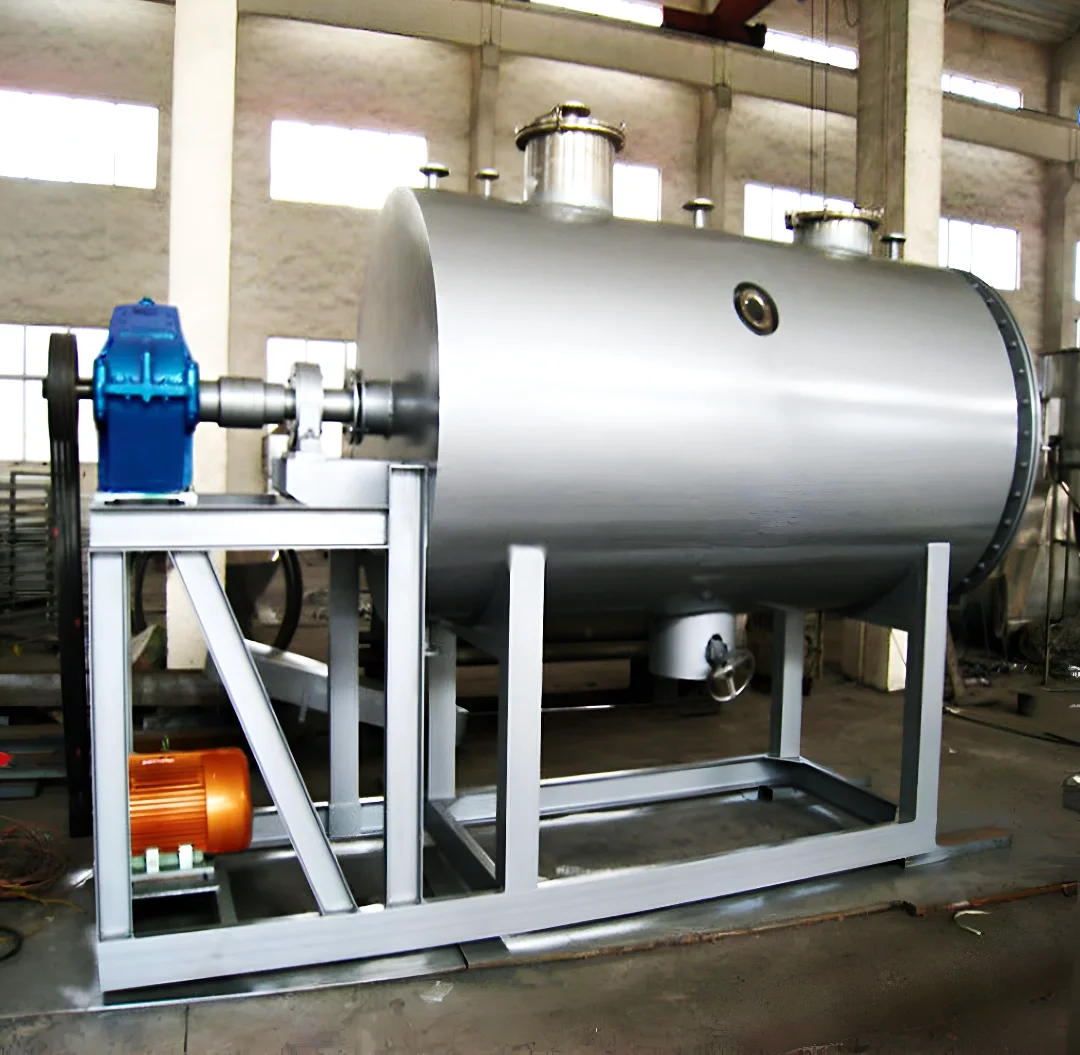
To dry disperse dyes, GEM recommends the Flash Dryer. Typical moisture is 40–60% in the feed and 2–5% after drying. Paddle Dryer and Rotary Vacuum Dryer are used when the feed or site calls for it. Every project starts with a pilot trial on your own sample.
A flash dryer with disintegration dries disperse dye cake quickly, keeping particles separate and limiting time at temperature. Paddle dryers handle sticky dispersant-rich pastes, and vacuum drying suits low-melting or sublimation-sensitive grades.
| Typical feed moisture | 40–60% |
| Typical target moisture | 2–5% |
| Recommended dryer | Flash Dryer |
| Alternatives | Paddle Dryer, Rotary Vacuum Dryer |
| Application area | Dyes, Pigments & Intermediates |
| Industries | Dyes, Pigments & Inks, Textile & Dye Houses |
Retaining fine particle size keeps dyeing quality high and avoids customer claims for specky fabric. Efficient drying and high fines capture lower cost per kilogram of finished dye.
Plants searching for a disperse dye dryer or comparing a disperse dyes drying usually need three answers: which dryer fits, what it costs to run, and how fast it pays back. For Disperse Dyes, we start from your throughput, current moisture (typically 40–60%) and the target (2–5%), trial a sample on the Flash Dryer, and return a sized recommendation with a budget quotation for your dyes and textile operation.
We trial your material in our pilot facility before any equipment decision, then size the dryer from real data.
Describe it in the form, or message an engineer directly.