Acetanilide drying handles a white crystalline pharmaceutical and dye intermediate that melts at about 114°C and is often crystallised from water or mixed solvents. Buyers need low residual moisture and solvent, a clean white colour and consistent particle size for downstream sulphonation and nitration steps.
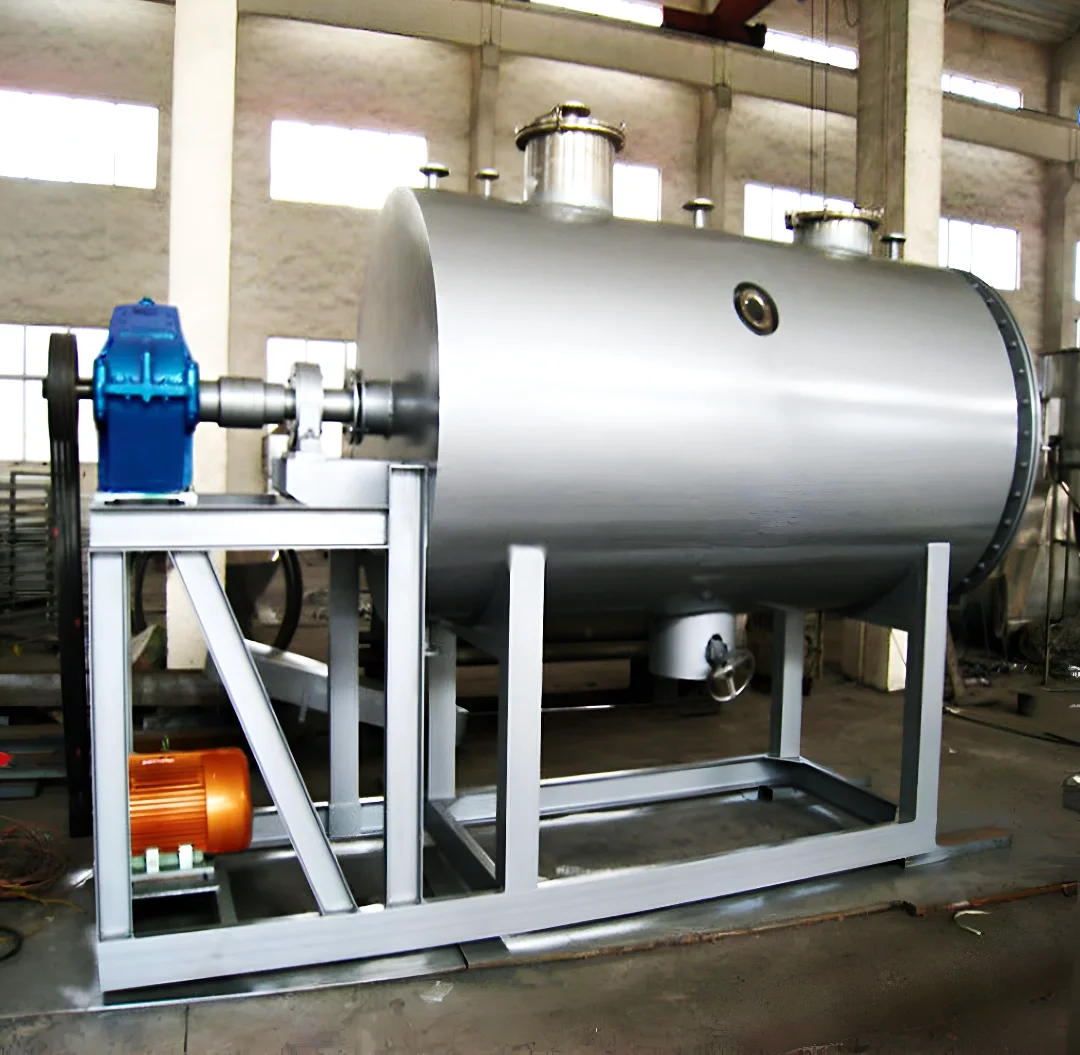
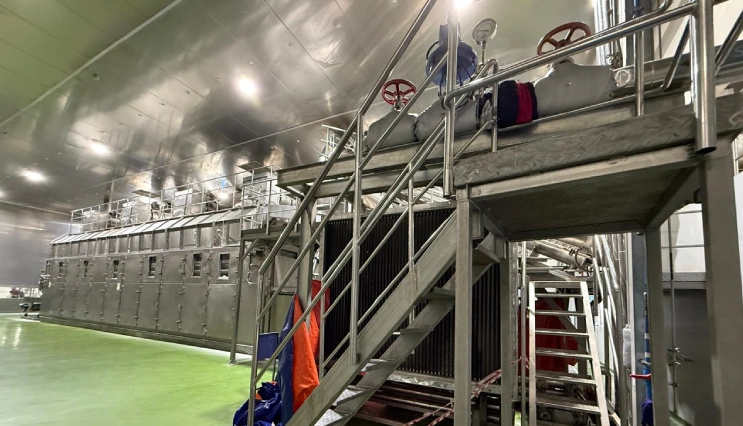
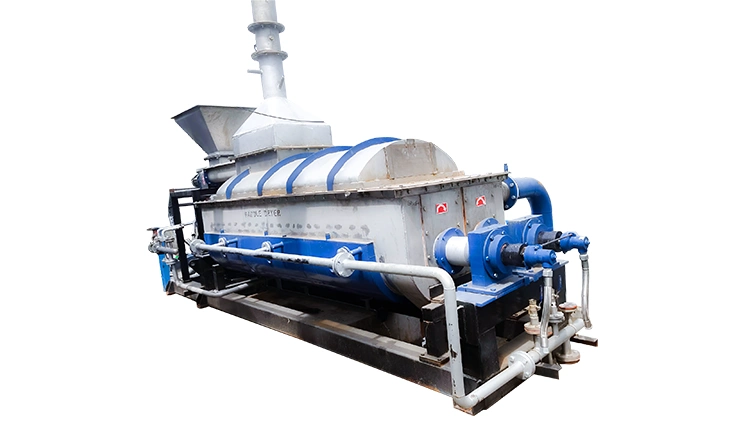
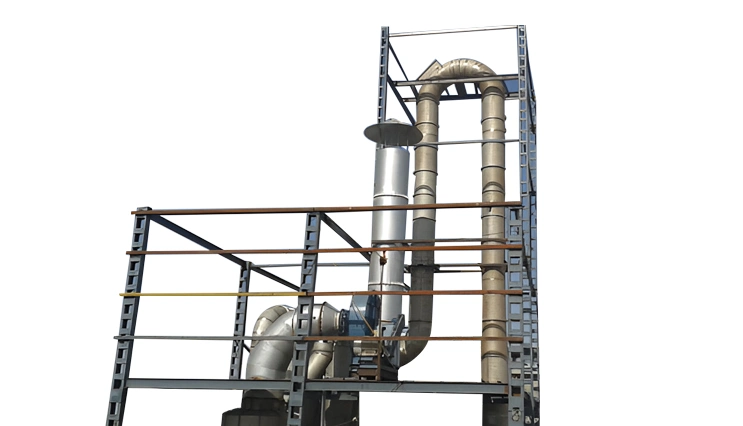
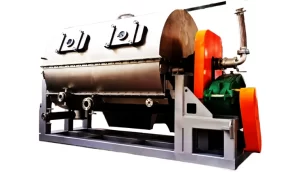
To dry acetanilide, GEM recommends the Rotary Vacuum Dryer and Combination Fluid Bed Dryer. The usual target is ≤0.5% moisture. Paddle Dryer and Flash Dryer are used when the feed or site calls for it. Every project starts with a pilot trial on your own sample.
A rotary vacuum dryer handles solvent-wet batches at low temperature with condensate recovery. For water-wet cake in larger continuous lines, a combination fluid bed with controlled inlet air dries crystals without melting; a flash dryer suits only water-wet, non-solvent cake with explosion protection.
| Typical target moisture | ≤0.5% |
| Recommended dryer | Rotary Vacuum Dryer, Combination Fluid Bed Dryer |
| Alternatives | Paddle Dryer, Flash Dryer |
| Application area | Chemicals & Salts |
| Industries | Chemicals & Specialty Chemicals, Pharmaceuticals & Biotech |
Dry, white crystals meet pharmaceutical intermediate specifications on first test, while solvent recovery and enclosed drying reduce both solvent purchase costs and compliance exposure. It also shortens cycle times.
Plants searching for a acetanilide dryer or comparing a acetanilide drying equipment usually need three answers: which dryer fits, what it costs to run, and how fast it pays back. For Acetanilide, we start from your throughput, current moisture and the target (≤0.5%), trial a sample on the Rotary Vacuum Dryer, and return a sized recommendation with a budget quotation for your chemicals and pharmaceuticals operation.
We trial your material in our pilot facility before any equipment decision, then size the dryer from real data.
Describe it in the form, or Message an Engineer directly →