


Hazardous & Oily Residue Drying
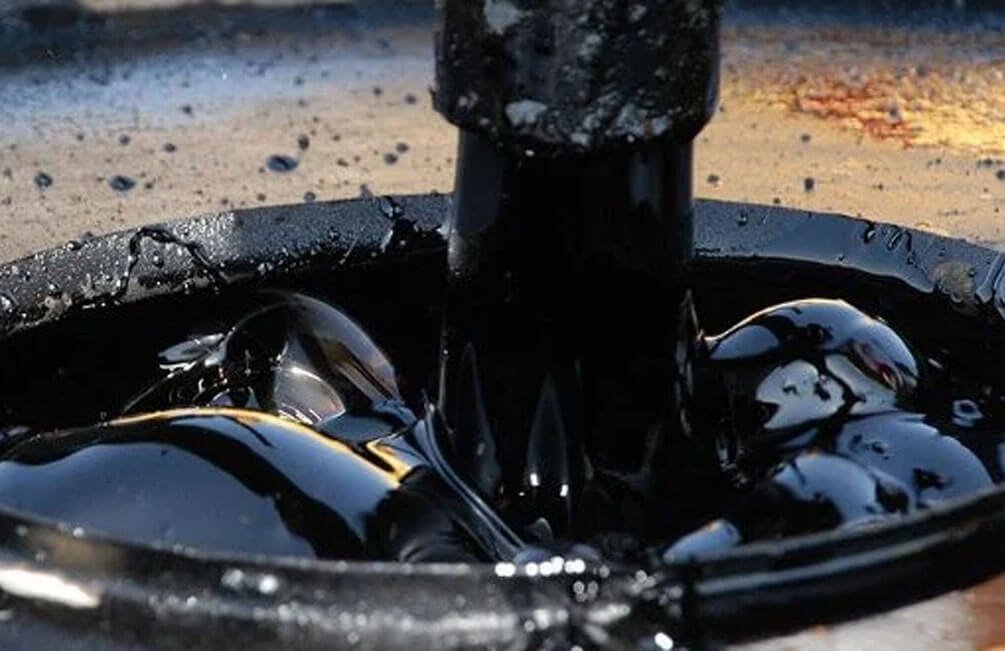
Hazardous and oily residues include refinery and tank-bottom sludge, tar and bitumen residues, solvent recovery bottoms, drilling mud and cuttings, and other regulated process wastes. They carry water, oil and volatile solvents that make them heavy, flammable and costly to dispose of. Drying them in a closed, indirectly heated system reduces their weight, recovers condensable oil and solvent, and leaves a drier solid that is easier to treat, co-process or send to secure landfill.
GEM dries 5 materials in Hazardous and Oily Residues, most often on the Paddle Dryer and Agitated Thin Film Dryer. The table below compares typical moisture and the recommended dryer for each one.
Hazardous & Oily Residues: moisture and dryer by material
| Material | Feed moisture | Target | Recommended dryer |
|---|---|---|---|
| Petroleum & Oily Sludge | Pilot trial | To spec | Paddle Dryer |
| Tar & Bitumen Residues | Pilot trial | To spec | Agitated Thin Film Dryer / Paddle Dryer |
| Hydrocarbon Residues | Pilot trial | To spec | Paddle Dryer |
| Solvent Recovery Residues | Pilot trial | To spec | Agitated Thin Film Dryer / Rotary Vacuum Dryer |
| Drilling Mud & Cuttings | Pilot trial | To spec | Paddle Dryer |
Dryer selection for hazardous & oily residues
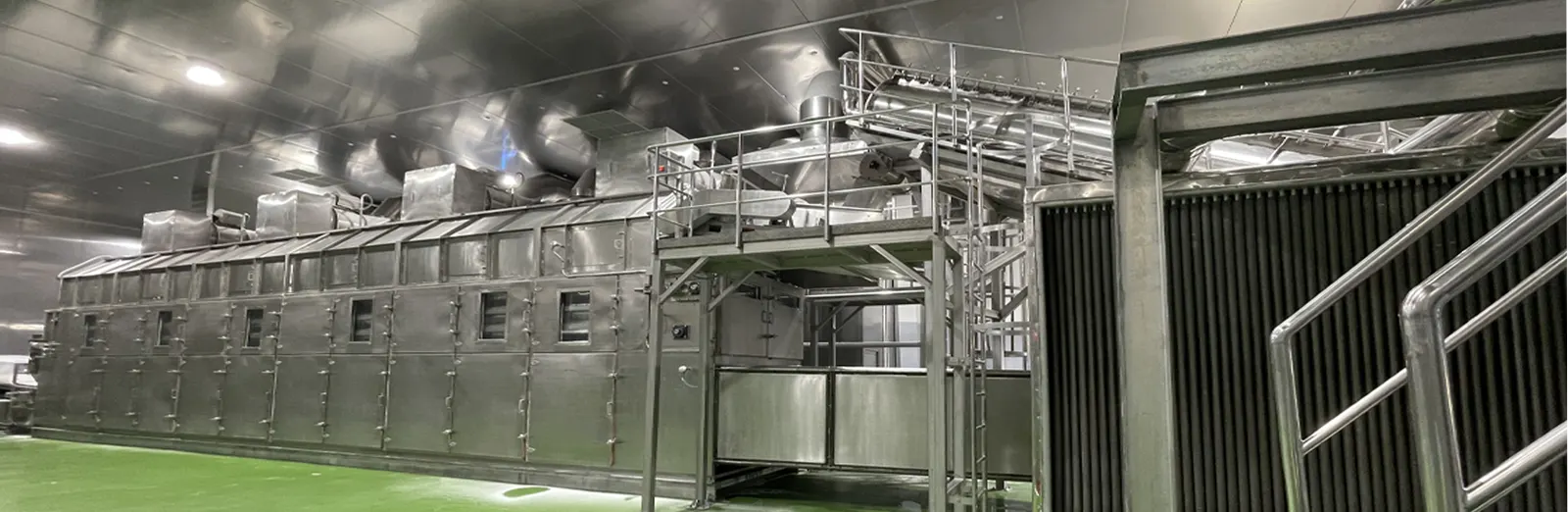
Hazardous residues are never dried with direct hot air. Our default is the paddle dryer: a sealed trough in which steam or thermal oil heats hollow paddles and jacket while the residue stays enclosed, under nitrogen inerting where required. Agitated thin film dryers handle pumpable tars, solvent bottoms and slurries. Rotary vacuum dryers suit solvent-wet batches needing low temperatures, and rotary tube bundle or direct/indirect rotary dryers, run indirectly, serve larger contained throughputs. Vapours go to condensers for oil and solvent recovery.
| Feed condition | Pastes, sludges, slurries and wet cakes containing water, oil or solvents in varying proportions |
| Heating method | Indirect only: steam or thermal oil through jacket and agitator, with no hot gas contact with the product |
| Atmosphere | Sealed vessel with nitrogen inerting where required, run under slight negative pressure or vacuum |
| Vapour handling | Condensers recover oil, solvent and water; non-condensables are routed to a scrubber or thermal treatment |
| Target outcome | Dry or low-oil solid for co-processing, secure landfill or further treatment, defined per waste stream |


What makes these materials hard to dry
- Hydrocarbon and solvent vapours can form flammable mixtures, so the dryer must operate sealed, inerted and without hot air contact.
- Oily and tarry residues soften, smear and coat heated surfaces, demanding robust agitation and self-cleaning paddles or rotors.
- Composition changes from batch to batch, with mixed water, oil, solids and solvents that shift boiling behaviour and drying load.
- Off-gases carry odour and regulated organics, so vapours must be condensed, recovered or treated to meet emission and waste rules.
Why it pays back
Water and oil make up much of the weight of a hazardous residue, and disposal is usually charged by the tonne. Indirect drying reduces the mass to be treated, can recover reusable oil and solvent, and produces a stable solid that is simpler to store, transport and dispose of compliantly.
Hazardous & Oily Residues: questions buyers ask
Why can't oily sludge be dried in a direct hot-air dryer?
Can oil and solvents be recovered while drying?
Is testing needed before sizing a hazardous residue dryer?
Send us a sample. See it dried.
We trial your material in our pilot facility before any equipment decision, then size the dryer from real data.
- Tell us the material, moisture and throughput.
- An engineer confirms the trial plan and sample shipping.
- You get drying data and a sized recommendation with a budget quotation.
Material not listed? Talk to our technical expert.
Describe it in the form, or message an engineer directly.
