Petroleum and oily sludge drying addresses tank bottoms, API separator sludge, DAF float and slop residues at refineries, depots and lube plants. These sludges are emulsions of water, hydrocarbons and solids, and are listed as hazardous. Indirect thermal treatment separates water and recoverable oil as condensate, leaving a solid residue with far less oil and volume.
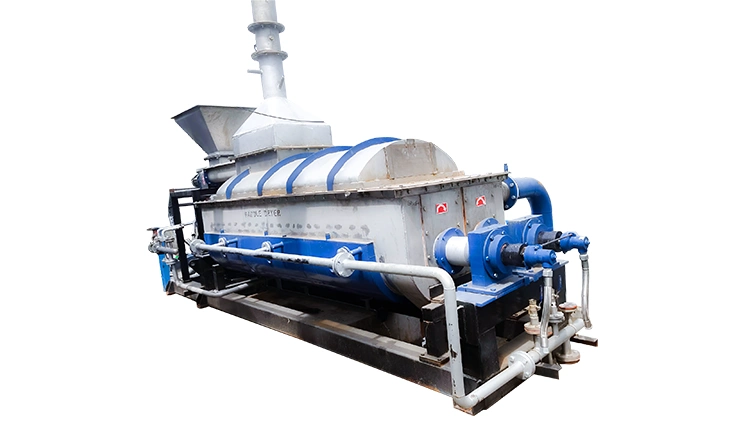
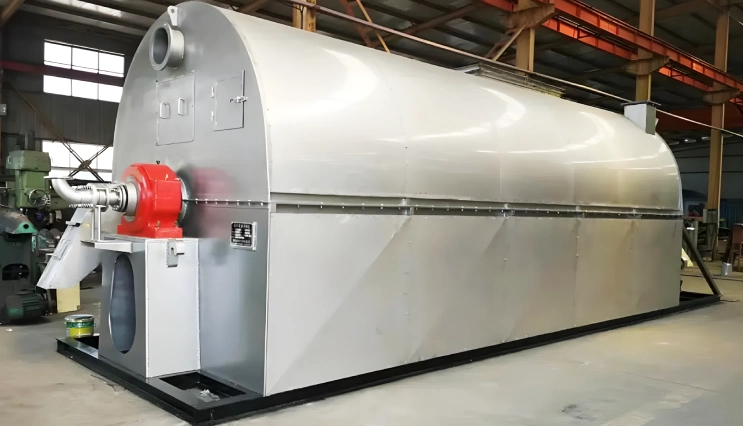
To dry petroleum & oily sludge, GEM recommends the Paddle Dryer. Rotary Tube Bundle Dryer and Agitated Thin Film Dryer are used when the feed or site calls for it. Every project starts with a pilot trial on your own sample.
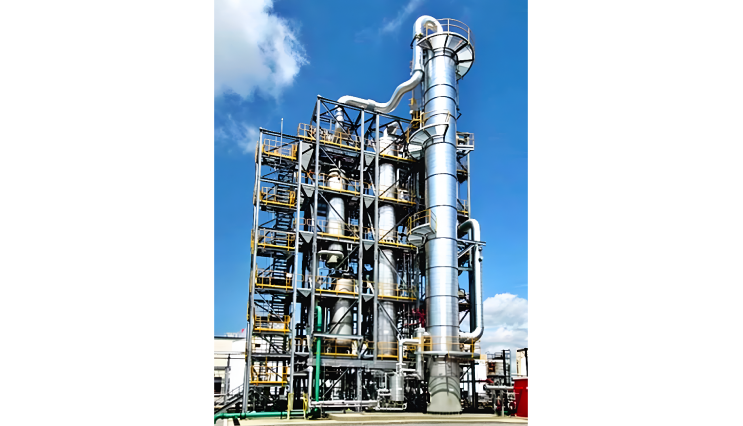
A paddle dryer heats the sludge indirectly with thermal oil in a sealed, inertable trough, so water and hydrocarbons leave as a small vapour stream for condensation and oil recovery. An ATFD suits pumpable, low-solids sludge, and a tube dryer serves lower-temperature dewatering duties.
| Recommended dryer | Paddle Dryer |
| Alternatives | Rotary Tube Bundle Dryer, Agitated Thin Film Dryer |
| Application area | Hazardous & Oily Residues |
| Industries | Wastewater & Environmental, Chemicals & Specialty Chemicals |
Oily sludge accumulates in tanks and pits, taking storage out of service and attracting penalties. Thermal treatment reduces volume, recovers saleable oil and produces a residue that meets disposal or co-processing limits, freeing tanks for operation.
Plants searching for a oily sludge dryer or comparing a petroleum sludge treatment usually need three answers: which dryer fits, what it costs to run, and how fast it pays back. For Petroleum & Oily Sludge, we start from your throughput, current moisture and the target, trial a sample on the Paddle Dryer, and return a sized recommendation with a budget quotation for your wastewater and chemicals operation.
We trial your material in our pilot facility before any equipment decision, then size the dryer from real data.
Describe it in the form, or message an engineer directly.