Hydrocarbon residue drying treats solids contaminated with oil, diesel, lubricants or process hydrocarbons, such as spent filter aids, contaminated soil, catalyst fines and spill clean-up material. Unlike pumpable oily sludge, these residues are mostly solid with oil held in pores. Indirect heating drives off water and hydrocarbons, leaving a cleaner solid suited to reuse or lower-cost disposal.
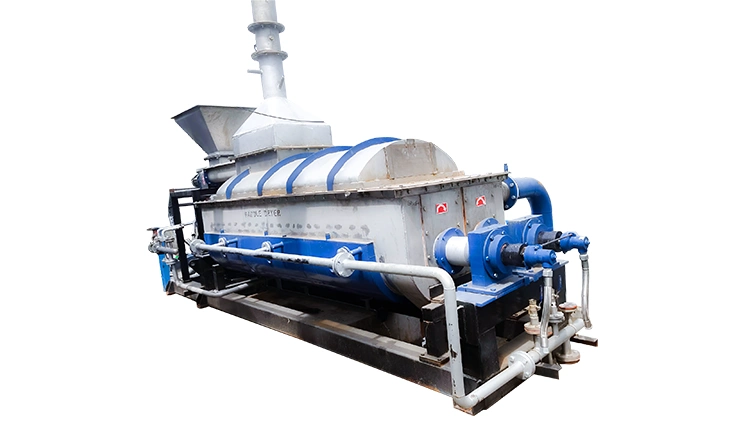
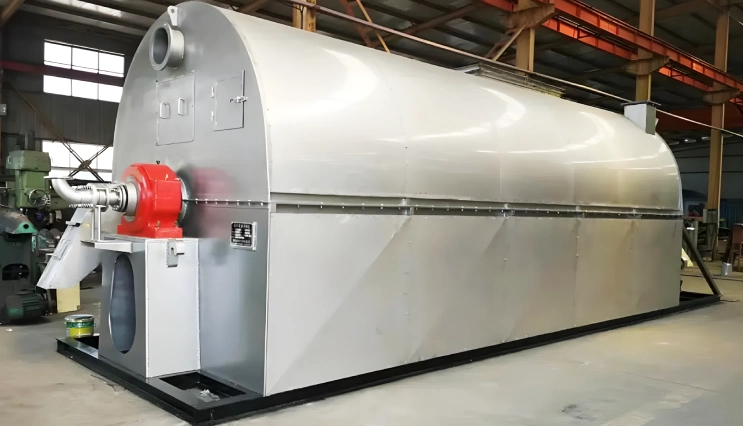
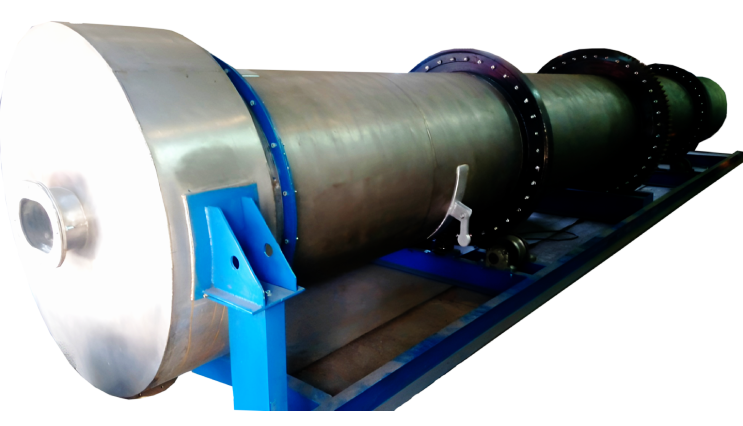
To dry hydrocarbon residues, GEM recommends the Paddle Dryer. Rotary Tube Bundle Dryer and Direct / Indirect Rotary Dryer are used when the feed or site calls for it. Every project starts with a pilot trial on your own sample.
A paddle dryer agitates the solids against heated surfaces in a sealed, nitrogen-purgeable housing, releasing water and hydrocarbons into a small, condensable vapour stream. Indirect rotary dryers suit larger tonnages of free-flowing soil, while tube dryers handle lower-temperature dewatering.
| Recommended dryer | Paddle Dryer |
| Alternatives | Rotary Tube Bundle Dryer, Direct / Indirect Rotary Dryer |
| Application area | Hazardous & Oily Residues |
| Industries | Chemicals & Specialty Chemicals, Wastewater & Environmental |
Hydrocarbon-contaminated solids attract hazardous waste fees and long-term liability. Thermal treatment can reduce oil content below landfill or reuse thresholds, recover some hydrocarbons and shrink the volume needing specialist disposal.
Plants searching for a hydrocarbon residue dryer or comparing a oil contaminated soil treatment usually need three answers: which dryer fits, what it costs to run, and how fast it pays back. For Hydrocarbon Residues, we start from your throughput, current moisture and the target, trial a sample on the Paddle Dryer, and return a sized recommendation with a budget quotation for your chemicals and wastewater operation.
We trial your material in our pilot facility before any equipment decision, then size the dryer from real data.
Describe it in the form, or message an engineer directly.