Apple pomace drying turns the pressed skins, cores and seeds left after juice or cider making into a shelf-stable fibre. The fresh cake ferments within a day, yet once dried it supplies pectin extractors, dietary fibre and flour blenders, and feed mills. Buyers dry it to stop disposal charges and sell a product with a defined moisture and colour.
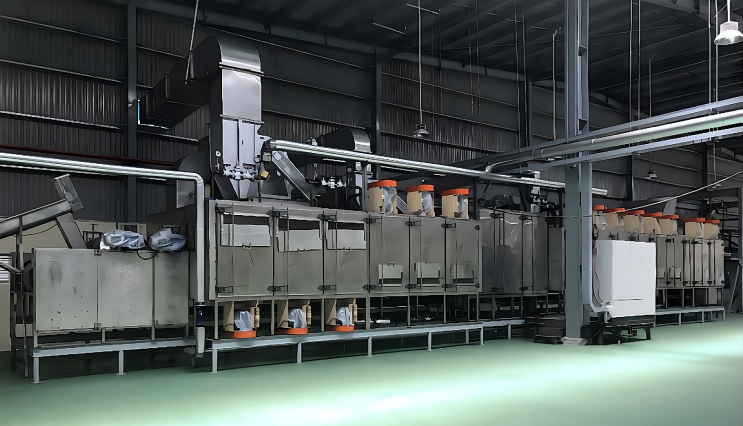
To dry apple pomace, GEM recommends the Band Dryer (Beltotherm). Typical moisture is 70–80% in the feed and 8–10% after drying. Multi-Pass Conveyor Dryer and Rotary Dryer are used when the feed or site calls for it. Every project starts with a pilot trial on your own sample.
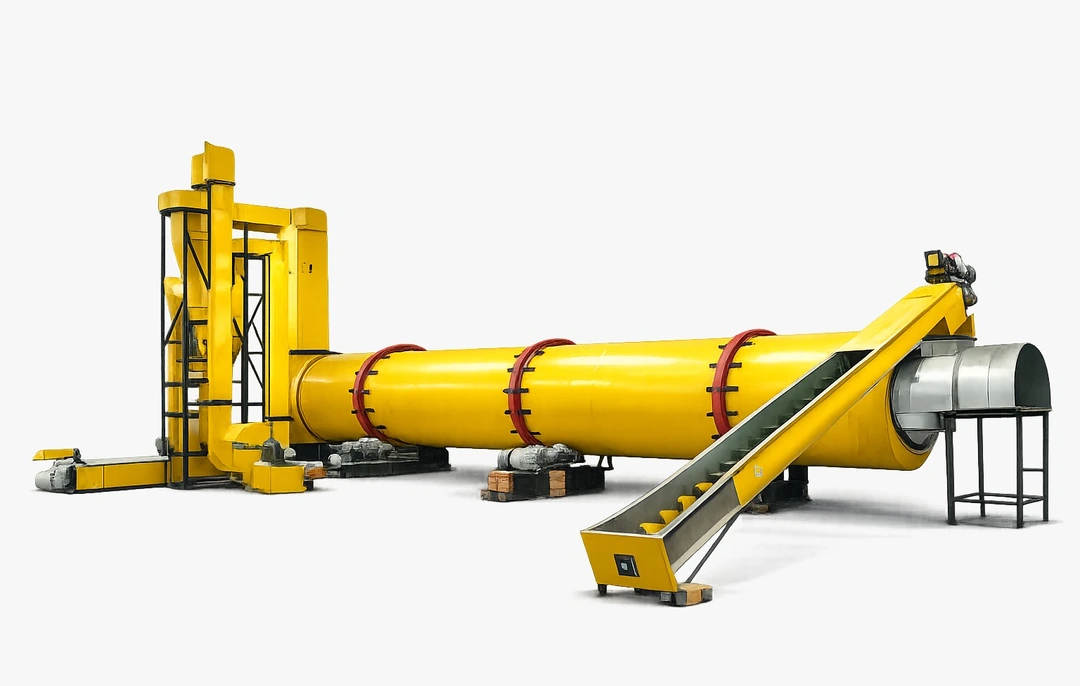
A multi-zone Beltotherm band dryer holds the pressed pomace as an open bed, letting hot early zones remove surface water while cooler later zones protect colour and pectin. A multi-pass conveyor saves floor space at smaller presses; a rotary dryer suits feed-grade output where colour is less critical.
| Typical feed moisture | 70–80% |
| Typical target moisture | 8–10% |
| Recommended dryer | Band Dryer (Beltotherm) |
| Alternatives | Multi-Pass Conveyor Dryer, Rotary Dryer |
| Application area | Pomace, Pulp & By-products |
| Industries | Food & Beverage, Animal Feed, Breweries & Distilleries |
Drying removes up to three-quarters of the weight a juice plant would otherwise truck away as wet waste. Dried pomace keeps for months, can be stored through the off-season and is sold by the tonne to pectin, fibre and feed buyers.
Plants searching for a apple pomace dryer or comparing a apple pomace drying machine usually need three answers: which dryer fits, what it costs to run, and how fast it pays back. For Apple Pomace, we start from your throughput, current moisture (typically 70–80%) and the target (8–10%), trial a sample on the Band Dryer, and return a sized recommendation with a budget quotation for your food and animal feed operation.
Compare all 11 materials in Fruit & Vegetable Pomace and Food Waste or browse the wider Pomace, Pulp & By-products family.
We trial your material in our pilot facility before any equipment decision, then size the dryer from real data.
Describe it in the form, or message an engineer directly.