


Pomace and Food Waste Dryers
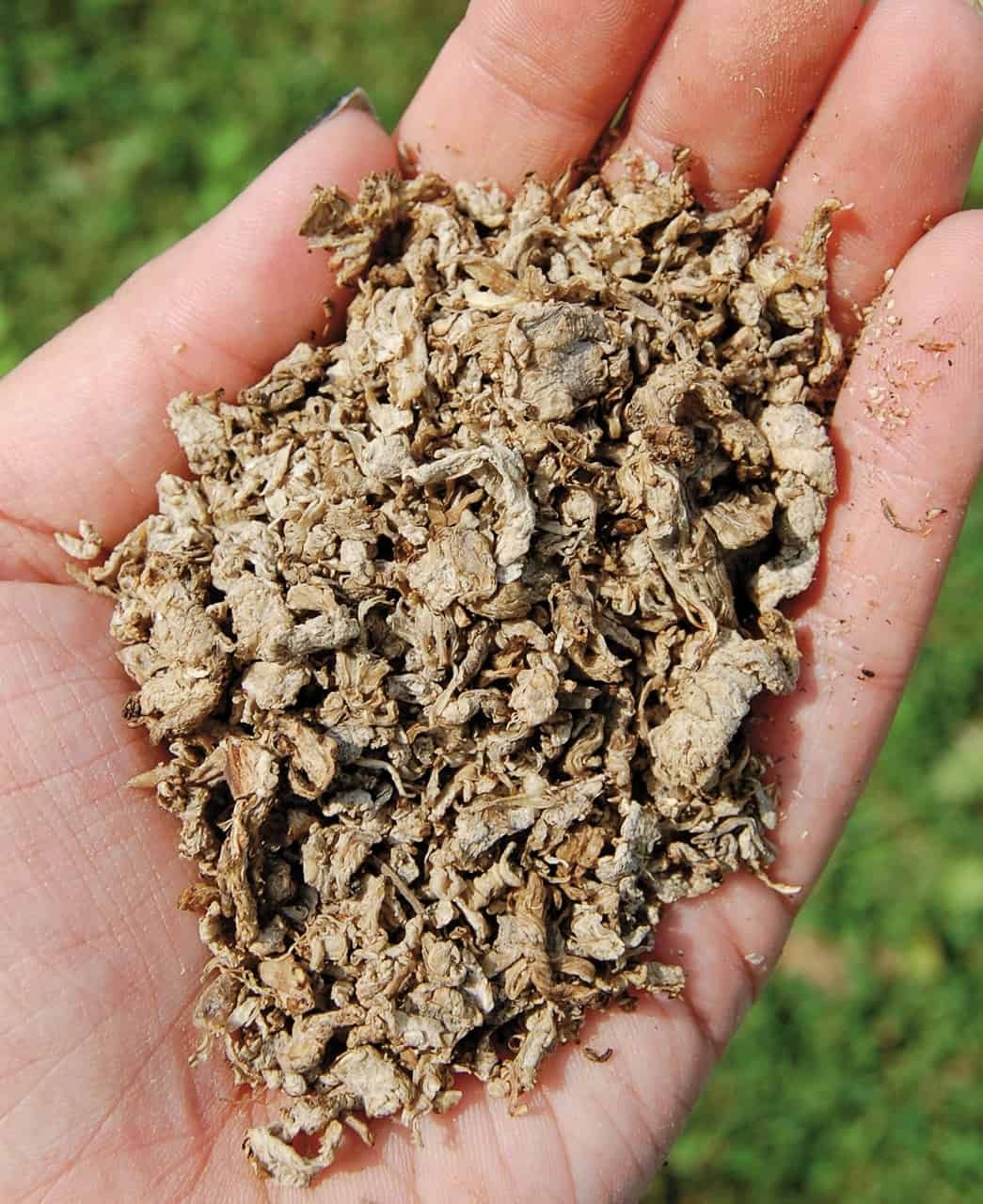
Juice, wine, tomato, sugar, starch and food-service operations all leave behind wet residues that spoil fast but hold value as fibre, feed, oil or extract feedstock. This hub covers fruit pomaces, beet, chicory and cassava pulp, olive alperujo and mixed fruit, vegetable and food waste. They share high water content, residual sugars and a short window before fermentation. Feed moisture ranges from 50–65% for cranberry pomace up to 85–92% for fruit and vegetable waste. Targets run from 5–8% for cranberry to 10–15% for food waste, depending on how the dried product will be sold.
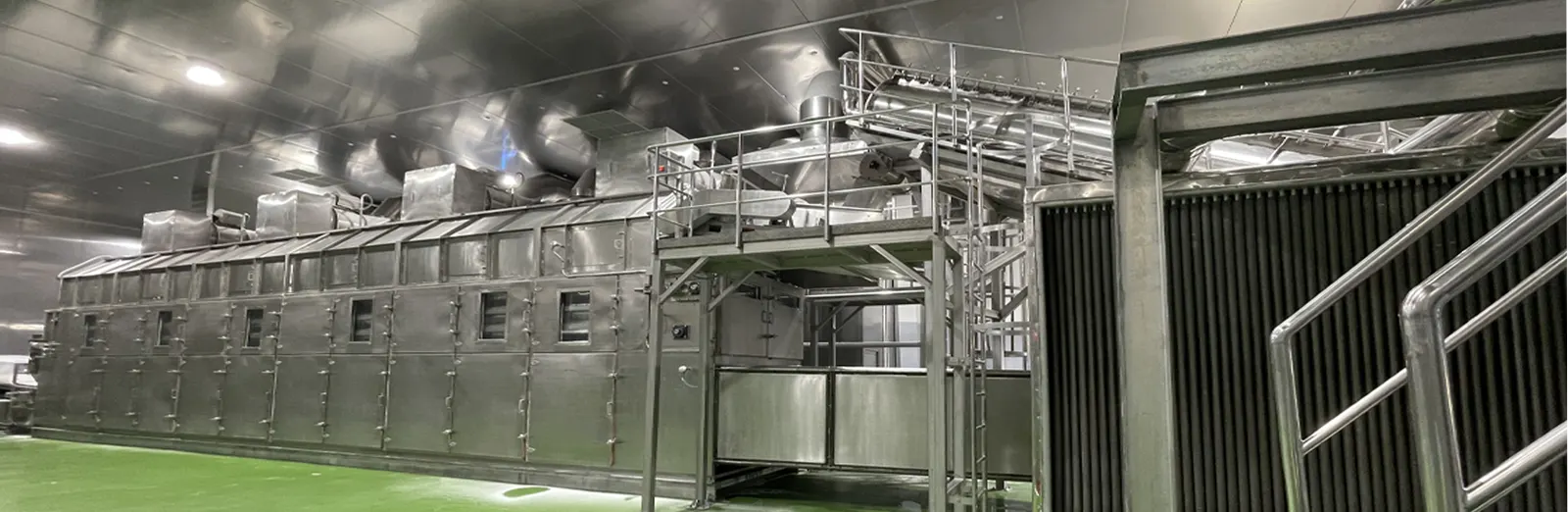
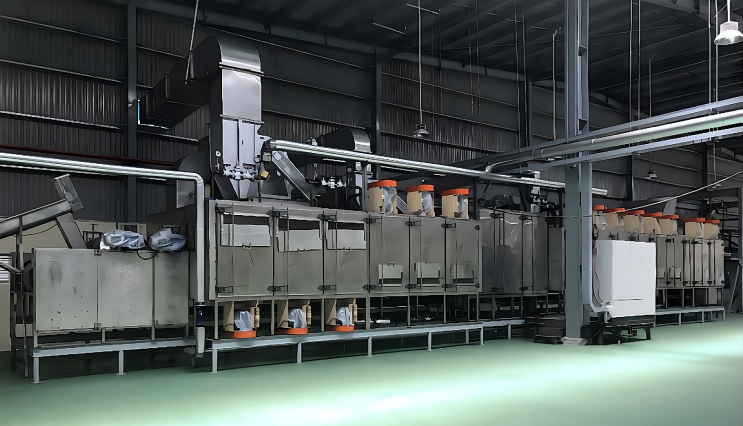
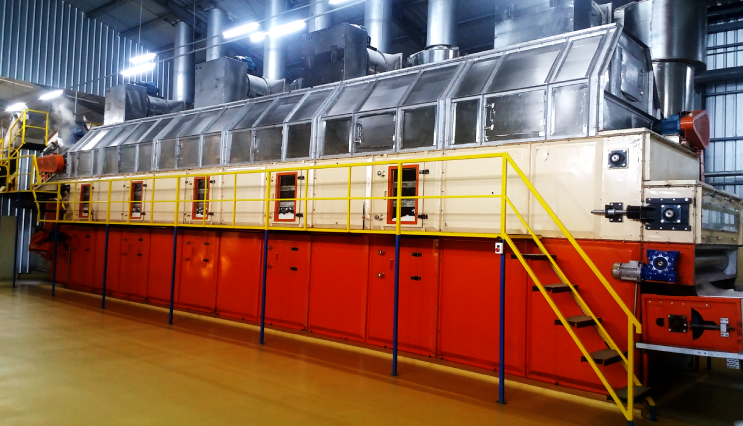
For fruit & vegetable pomace and food waste, GEM most often specifies the Band Dryer (Beltotherm) and Mesh Belt Dryer (Meshotherm). Moisture targets differ by material, so the table below lists typical feed and target moisture for each of the 11 materials in this group, and every project is confirmed on your own sample in a pilot trial.
Fruit & Vegetable Pomace and Food Waste: moisture and dryer by material
| Material | Feed moisture | Target | Recommended dryer |
|---|---|---|---|
| Apple Pomace | 70–80% | 8–10% | Band Dryer |
| Grape Pomace | 55–70% | 8–10% | Mesh Belt Dryer / Band Dryer |
| Tomato Pomace | 70–80% | 8–10% | Band Dryer |
| Citrus Pulp & Peel | 65–80% | 10–12% | Rotary Dryer / Band Dryer |
| Olive Pomace (Alperujo) | 60–70% | 8–10% | Rotary Tube Bundle Dryer / Paddle Dryer |
| Cranberry Pomace | 50–65% | 5–8% | Band Dryer |
| Beet Pulp | 72–78% | 10–12% | Rotary Dryer / Mesh Belt Dryer |
| Chicory Pulp | 75–80% | 10–12% | Mesh Belt Dryer |
| Cassava Pulp | 75–85% | 10–13% | Rotary Dryer |
| Fruit & Vegetable Waste | 85–92% | 10–12% | Mesh Belt Dryer / Hybrid Belt + Fluid Bed Dryer |
| Food Waste | 70–85% | 10–15% | Paddle Dryer / Rotary Tube Bundle Dryer |
Typical values. Your material is confirmed in a pilot trial before sizing.
Which dryer for which material
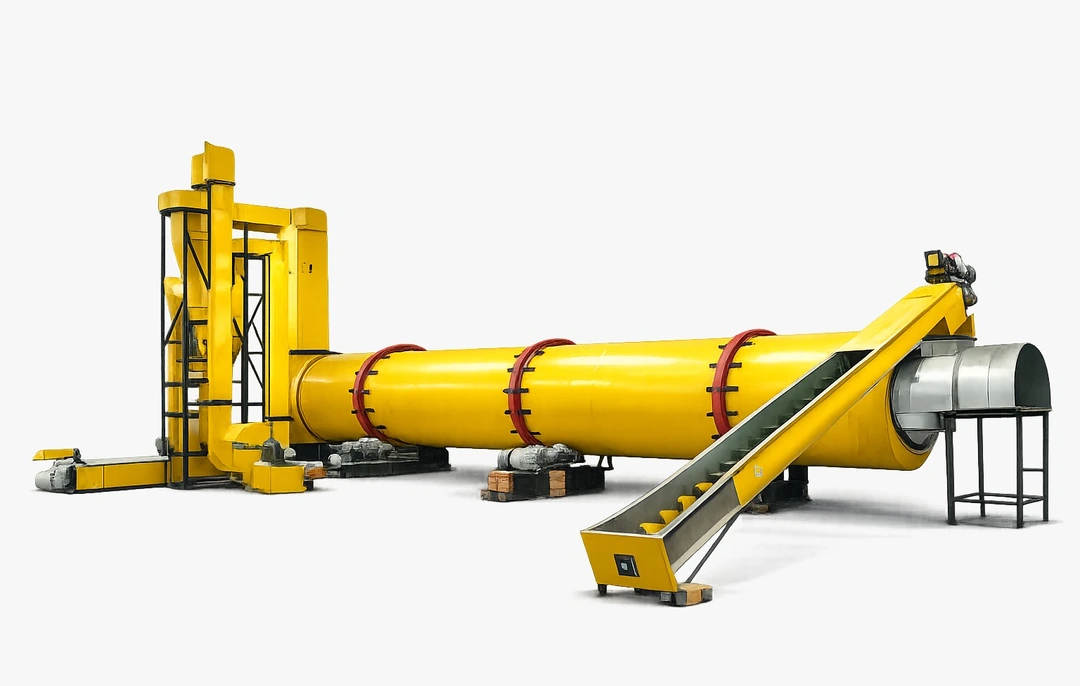
Where dried pomace goes into food ingredients or extraction, as with apple, tomato and cranberry pomace, a Band Dryer (Beltotherm) gives staged temperatures on a solid belt that does not let fines or sticky skins drop through. Grape pomace and chicory pulp suit a Mesh Belt Dryer (Meshotherm), with band as an option for grape. High-volume citrus, beet and cassava pulp are typically Rotary Dryer jobs. Oily, pasty olive pomace and food waste need indirect contact drying in a Rotary Tube Bundle Dryer or Paddle Dryer, which manage the sticky phase through back-mixing and agitation.


What makes fruit & vegetable pomace and food waste hard to dry
- Sugars in pomace and pulp turn tacky as they warm, so zone temperatures must step down along the dryer to avoid scorching and belt fouling.
- Processing campaigns compress a year's residue into weeks or months, so capacity has to match the seasonal peak rather than the annual average.
- Colour and bioactive value in skins and peel, such as lycopene, anthocyanins and pectin, fall when drying runs too hot or too slow.
- Very wet feeds make pressing or dewatering ahead of the dryer one of the biggest levers on fuel cost per tonne of dry product.
Why it pays back
Undried pomace is a liability that rots, smells and costs money to haul away. Dried to a stable moisture, the same material becomes a saleable ingredient: fibre and flour, feed pellets, seed oil feedstock, or raw material for pectin and polyphenol extractors. Processors can store it, sell across the year rather than only at harvest, and negotiate on quality specifications instead of paying disposal fees.
Pomace and Food Waste Dryers: questions buyers ask
Should pomace be dried on a band dryer or a rotary dryer?
How do I choose the target moisture for dried pomace?
Can one dryer handle several pomaces across the year?
Other groups in Pomace, Pulp & By-products
Send us a sample. See it dried.
We trial your material in our pilot facility before any equipment decision, then size the dryer from real data.
- Tell us the material, moisture and throughput.
- An engineer confirms the trial plan and sample shipping.
- You get drying data and a sized recommendation with a budget quotation.
Material not listed? Talk to our technical expert.
Describe it in the form, or message an engineer directly.
