Chicory pulp drying stabilises the shredded root residue left after inulin is extracted from chicory roots. The pulp resembles beet pulp in structure but comes from smaller, specialised plants with a different campaign pattern and a fibre that suits food and feed uses. Inulin producers dry it to avoid daily disposal and to sell pellets or fibre.
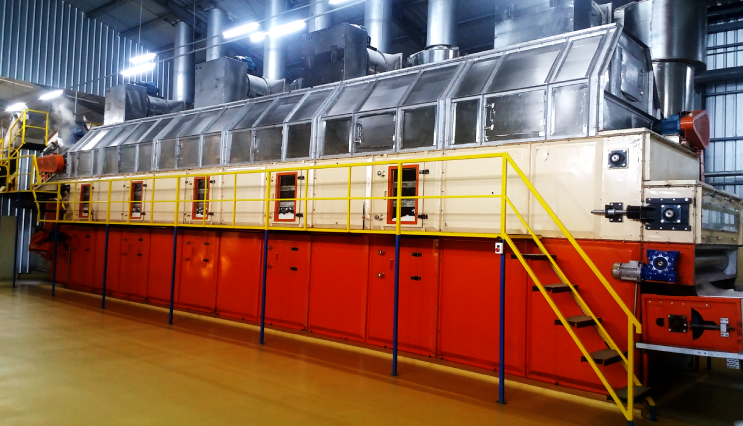
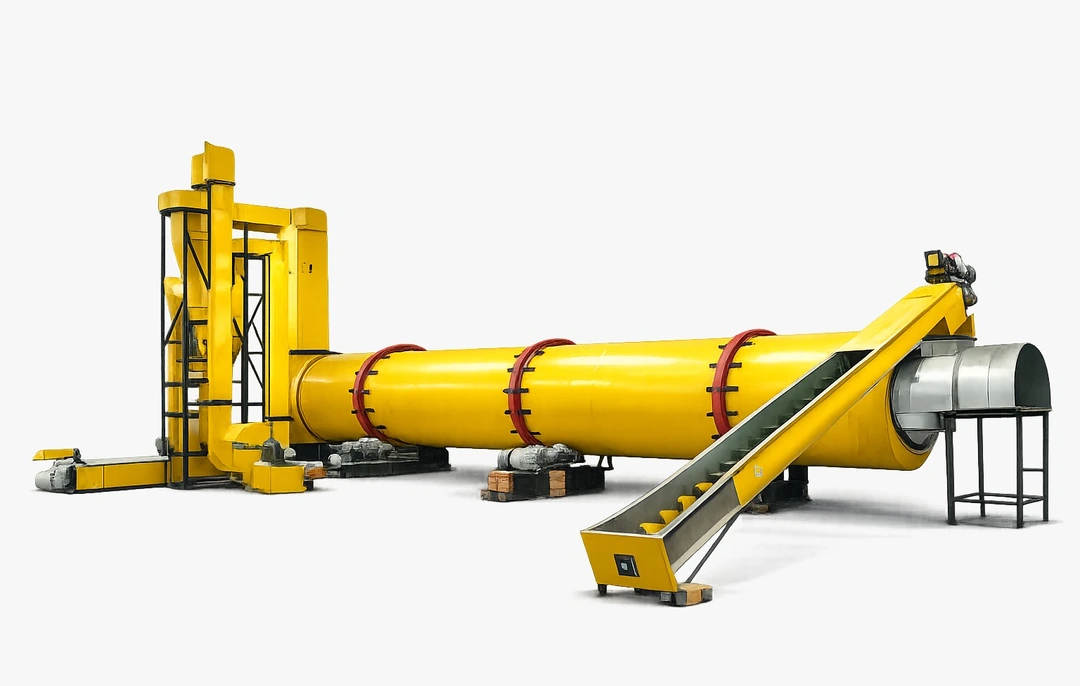
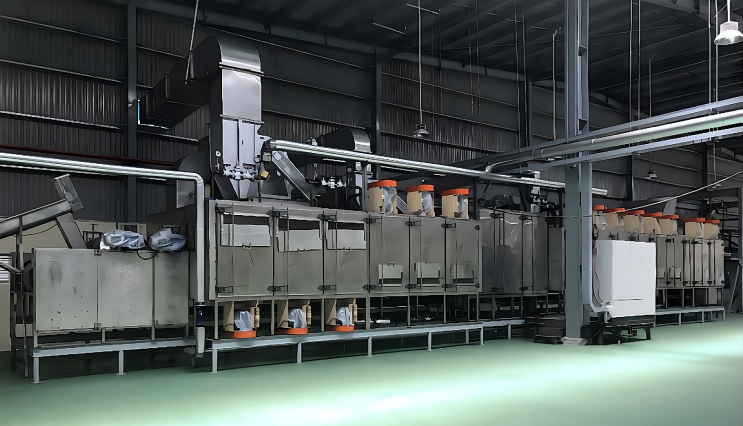
To dry chicory pulp, GEM recommends the Mesh Belt Dryer (Meshotherm). Typical moisture is 75–80% in the feed and 10–12% after drying. Rotary Dryer and Band Dryer are used when the feed or site calls for it. Every project starts with a pilot trial on your own sample.
A Meshotherm mesh belt dryer moves air through the porous pressed pulp at modest temperatures, suiting inulin plants that have low-grade heat. Rotary drying fits larger feed-grade lines, and a Beltotherm band is chosen when the pulp is sold as food fibre.
| Typical feed moisture | 75–80% |
| Typical target moisture | 10–12% |
| Recommended dryer | Mesh Belt Dryer (Meshotherm) |
| Alternatives | Rotary Dryer, Band Dryer |
| Application area | Pomace, Pulp & By-products |
| Industries | Food & Beverage, Animal Feed, Breweries & Distilleries |
Dried chicory pulp becomes a storable feed or fibre with a sales value instead of a daily haulage cost. Removing most of the water also reduces storage space and transport fuel through the processing campaign.
Plants searching for a chicory pulp dryer or comparing a chicory pulp drying machine usually need three answers: which dryer fits, what it costs to run, and how fast it pays back. For Chicory Pulp, we start from your throughput, current moisture (typically 75–80%) and the target (10–12%), trial a sample on the Mesh Belt Dryer, and return a sized recommendation with a budget quotation for your food and animal feed operation.
Compare all 11 materials in Fruit & Vegetable Pomace and Food Waste or browse the wider Pomace, Pulp & By-products family.
We trial your material in our pilot facility before any equipment decision, then size the dryer from real data.
Describe it in the form, or message an engineer directly.