Chicory root drying turns washed, cut roots into stable cossettes that are later roasted for coffee blends or extracted for inulin. Fresh roots are about 75–80% water and rich in inulin, a fructose polymer that can break down with heat and moisture. Dry cossettes can be stored, so roasting or extraction runs year-round.
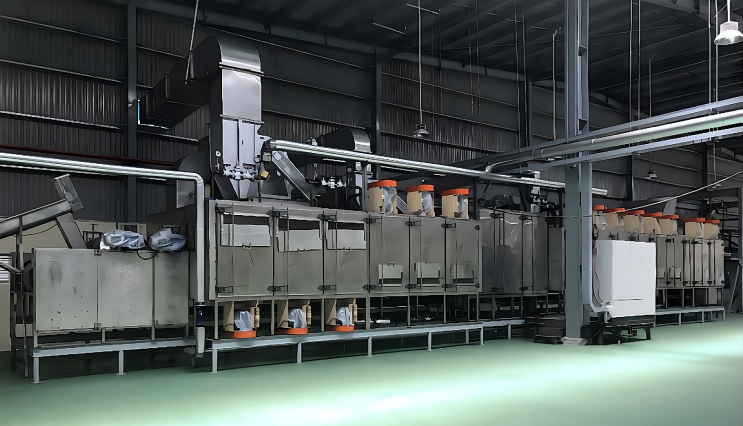
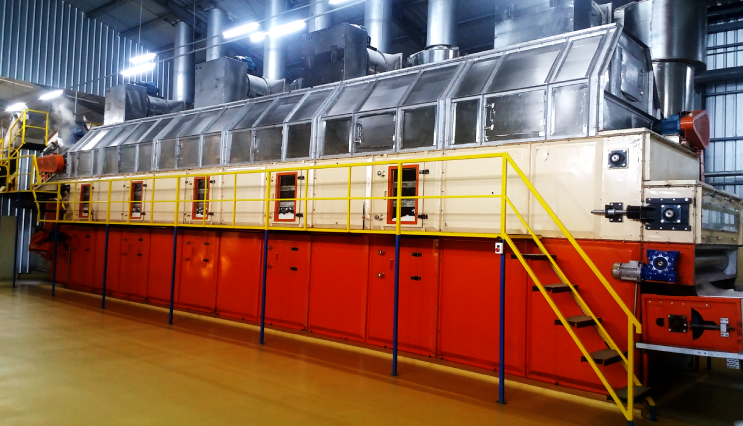
To dry chicory root, GEM recommends the Band Dryer (Beltotherm). Typical moisture is 75–80% in the feed and 10–12% after drying. Multi-Pass Conveyor Dryer and Mesh Belt Dryer are used when the feed or site calls for it. Every project starts with a pilot trial on your own sample.
A Beltotherm band dryer handles chicory cossettes as a deep, permeable bed with staged temperatures, drying quickly while limiting inulin loss. Multi-pass dryers suit smaller plants; a mesh-belt dryer is an economical option for feed or industrial grades.
| Typical feed moisture | 75–80% |
| Typical target moisture | 10–12% |
| Recommended dryer | Band Dryer (Beltotherm) |
| Alternatives | Multi-Pass Conveyor Dryer, Mesh Belt Dryer |
| Application area | Food Dehydration |
| Industries | Food & Beverage |
Drying lets chicory processors spread roasting and extraction across the year instead of within a short harvest window, while protecting inulin content that sets extraction yield and value.
Plants searching for a chicory root dryer or comparing a chicory drying machine usually need three answers: which dryer fits, what it costs to run, and how fast it pays back. For Chicory Root, we start from your throughput, current moisture (typically 75–80%) and the target (10–12%), trial a sample on the Band Dryer, and return a sized recommendation with a budget quotation for your food operation.
Compare all 12 materials in Vegetable & Fruit Dehydration or browse the wider Food Dehydration family.
We trial your material in our pilot facility before any equipment decision, then size the dryer from real data.
Describe it in the form, or message an engineer directly.