Radish drying turns white radish (mooli or daikon) into strips, slices or dice for Asian cuisine, pickles and instant foods. Radish is one of the wettest vegetables at about 94% water, so more than 15 kg of fresh root yields roughly one kilogram of dried product. Whiteness and a sweet, mild flavour define good quality.
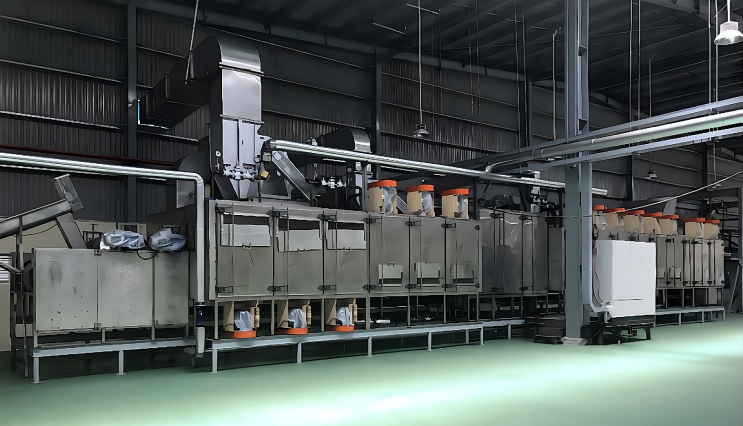
To dry radish, GEM recommends the Multi-Pass Conveyor Dryer and Band Dryer (Beltotherm). Typical moisture is 93–95% in the feed and 5–8% after drying. Single-Pass Conveyor Dryer is used when the feed or site calls for it. Every project starts with a pilot trial on your own sample.
Multi-pass conveyor dryers handle radish strips well because turning between passes untangles mats and evens moisture across the very large evaporation load. A Beltotherm band dryer suits high-capacity dice; single-pass dryers suit delicate cut strips.
| Typical feed moisture | 93–95% |
| Typical target moisture | 5–8% |
| Recommended dryer | Multi-Pass Conveyor Dryer, Band Dryer (Beltotherm) |
| Alternatives | Single-Pass Conveyor Dryer |
| Application area | Food Dehydration |
| Industries | Food & Beverage |
Drying stabilises a cheap, bulky, perishable root into a light product with a long shelf life and export value in East Asian markets, reducing field waste at peak harvest.
Plants searching for a radish dryer or comparing a dried radish machine usually need three answers: which dryer fits, what it costs to run, and how fast it pays back. For Radish, we start from your throughput, current moisture (typically 93–95%) and the target (5–8%), trial a sample on the Multi-Pass Conveyor Dryer, and return a sized recommendation with a budget quotation for your food operation.
Compare all 12 materials in Vegetable & Fruit Dehydration or browse the wider Food Dehydration family.
We trial your material in our pilot facility before any equipment decision, then size the dryer from real data.
Describe it in the form, or message an engineer directly.