45–60% → 10–12% moisture. About 45% of the feed weight leaves as water, giving a stable product that stores and ships.
Coffee beans drying starts with wet parchment or whole cherry after harvest and brings it to a stable storage moisture before hulling and export. Later, green beans are roasted to develop aroma. Growers and processors use mechanical drying to avoid weather delays on patios, prevent mould and protect cup quality.
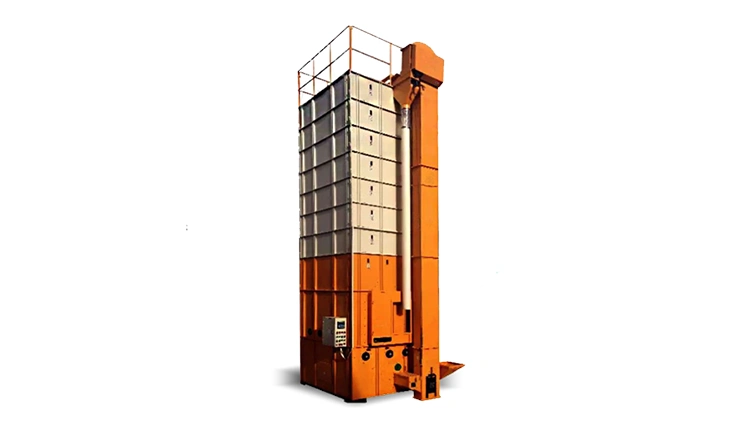
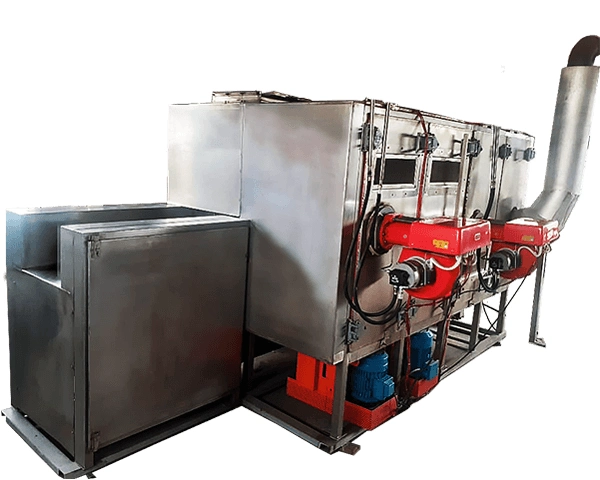
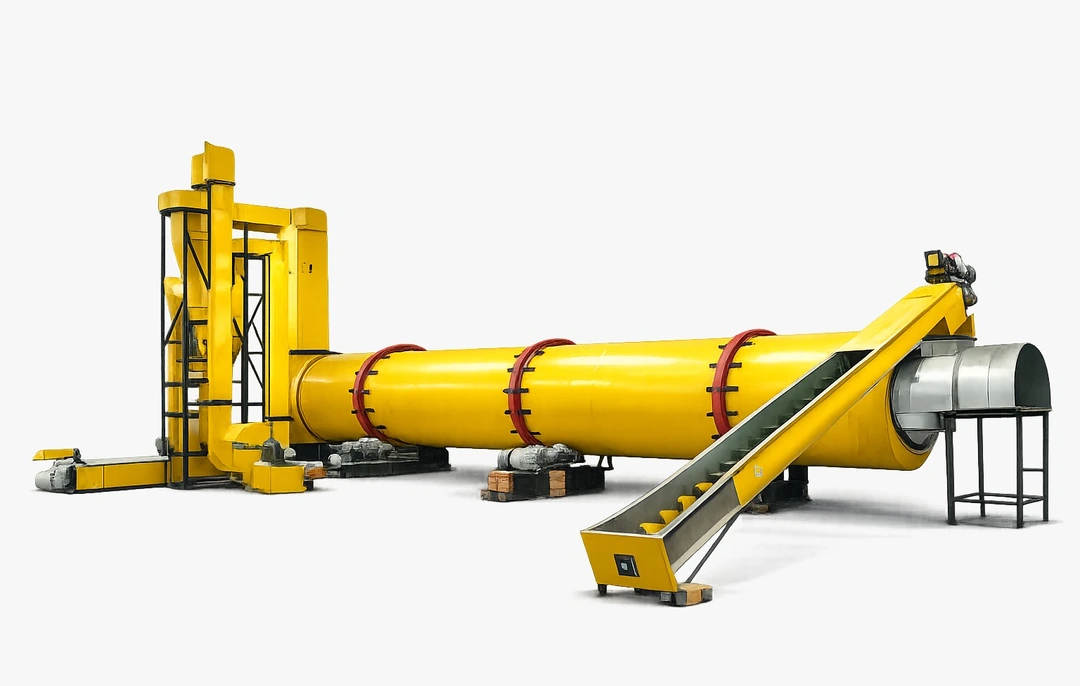
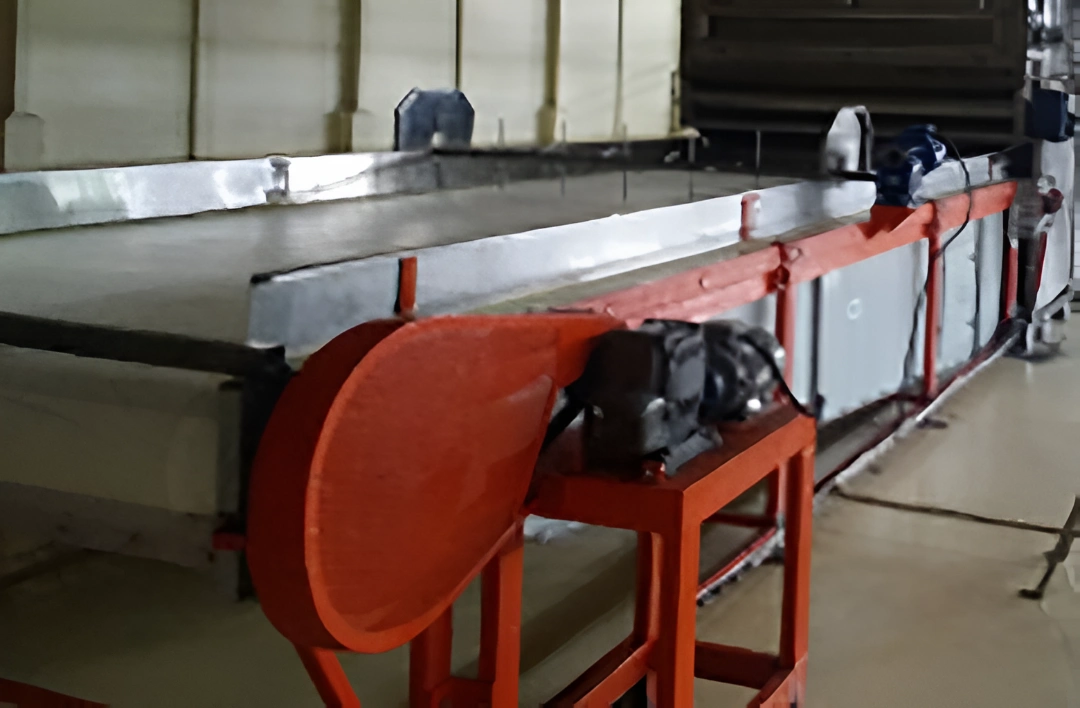
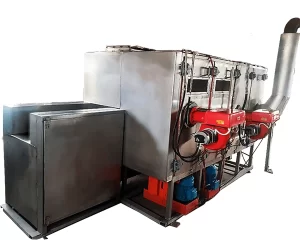
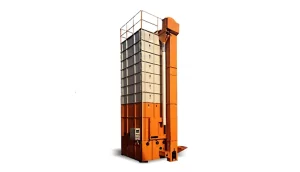
To dry coffee beans, GEM recommends the Grain Dryer and Industrial Roaster. Typical moisture is 45–60% in the feed and 10–12% after drying. Rotary Dryer and Industrial Cooler are used when the feed or site calls for it. Every project starts with a pilot trial on your own sample.
A grain-style dryer with moderate air temperature brings parchment coffee down gradually to storage moisture with even airflow. A roaster handles the separate roasting duty. Rotary drum dryers are chosen where growers prefer tumbling for whole cherry.
| Typical feed moisture | 45–60% |
| Typical target moisture | 10–12% |
| Recommended dryer | Grain Dryer, Industrial Roaster |
| Alternatives | Rotary Dryer, Industrial Cooler |
| Application area | Food Products & Snacks |
| Industries | Food & Beverage, Agriculture & Grain Processing |
Mechanical drying removes dependence on sun and patio space during harvest peaks and lowers mould and fermentation losses. Hitting the correct moisture protects green coffee grade and the price it earns.
Plants searching for a coffee bean dryer or comparing a coffee parchment drying machine usually need three answers: which dryer fits, what it costs to run, and how fast it pays back. For Coffee Beans, we start from your throughput, current moisture (typically 45–60%) and the target (10–12%), trial a sample on the Grain Dryer, and return a sized recommendation with a budget quotation for your food and agriculture operation.
We trial your material in our pilot facility before any equipment decision, then size the dryer from real data.
Describe it in the form, or Message an Engineer directly →