Spent coffee grounds drying deals with the wet, fine residue from soluble coffee extraction plants and large cafe collection schemes. The grounds still hold roughly a tenth to a sixth of their weight as oil, which gives them high fuel value but also fire risk. Processors dry them for boiler fuel, pellets, oil extraction and growing media.
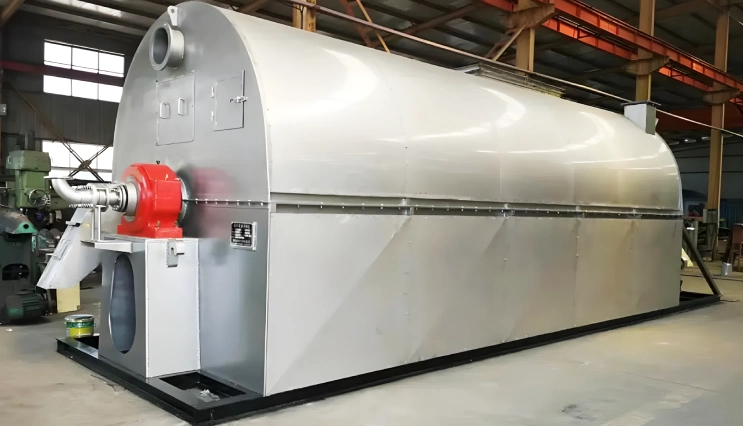
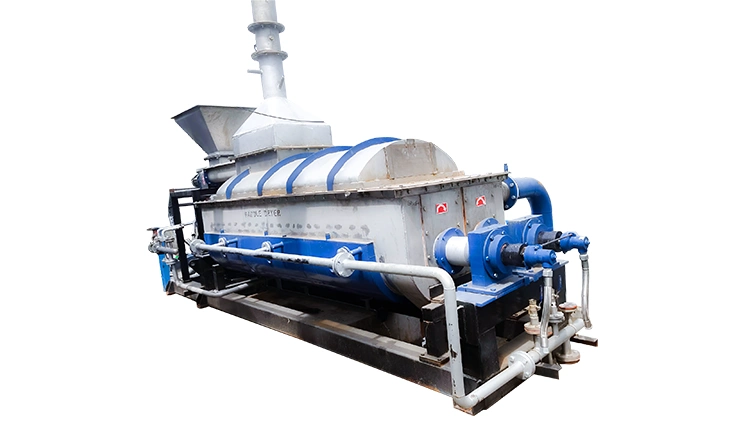
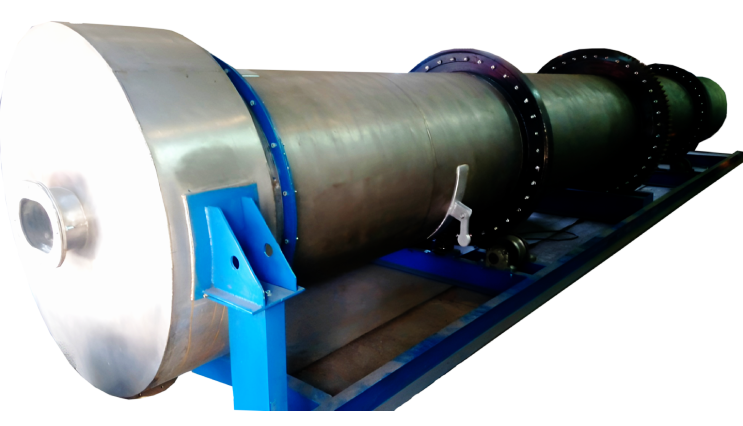
To dry spent coffee grounds, GEM recommends the Rotary Tube Bundle Dryer and Paddle Dryer. Typical moisture is 55–65% in the feed and 8–12% after drying. Direct / Indirect Rotary Dryer is used when the feed or site calls for it. Every project starts with a pilot trial on your own sample.
Steam-tube and paddle dryers heat oily grounds indirectly, keeping oxygen and flame away from the product. A direct/indirect rotary is considered for larger volumes when run in indirect mode or with low-oxygen recirculation and spark detection.
| Typical feed moisture | 55–65% |
| Typical target moisture | 8–12% |
| Recommended dryer | Rotary Tube Bundle Dryer, Paddle Dryer |
| Alternatives | Direct / Indirect Rotary Dryer |
| Application area | Pomace, Pulp & By-products |
| Industries | Food & Beverage, Biomass, Bioenergy & Recycling |
Soluble coffee plants often burn their grounds, and dry grounds release much more usable heat than wet. Dry material is also easier to pelletise or sell to oil and compost buyers.
Plants searching for a spent coffee grounds dryer or comparing a coffee grounds drying machine usually need three answers: which dryer fits, what it costs to run, and how fast it pays back. For Spent Coffee Grounds, we start from your throughput, current moisture (typically 55–65%) and the target (8–12%), trial a sample on the Rotary Tube Bundle Dryer, and return a sized recommendation with a budget quotation for your food and biomass operation.
Compare all 8 materials in Brewery, Distillery & Beverage By-products or browse the wider Pomace, Pulp & By-products family.
We trial your material in our pilot facility before any equipment decision, then size the dryer from real data.
Describe it in the form, or message an engineer directly.