Biomass drying before pelleting sets the moisture that pellet mills need to bind, densify and hold shape. Whatever the raw material, the dryer must deliver a steady 10–12% moisture to the hammer mill and press, because swings of a few points cause blockages, weak pellets and fines.
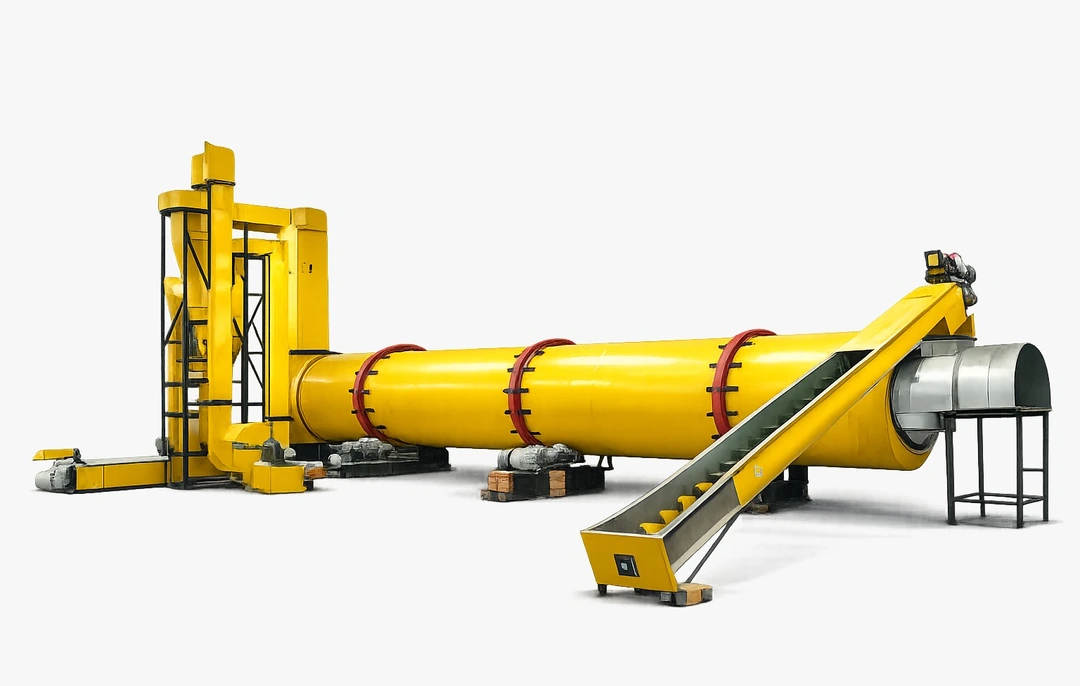
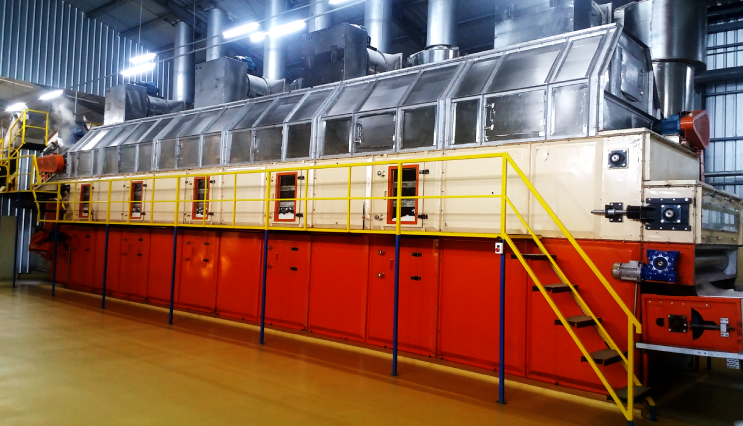
To dry biomass pellets (Pre-Drying), GEM recommends the Rotary Dryer and Mesh Belt Dryer (Meshotherm). Typical moisture is 40–55% in the feed and 10–12% after drying. Hybrid Belt + Fluid Bed Dryer and Flash Dryer are used when the feed or site calls for it. Every project starts with a pilot trial on your own sample.
A rotary dryer handles varied pellet feedstocks at high throughput using a biomass burner. A mesh belt is chosen where waste heat is available and emissions limits are strict. Aerodryve suits wet agro feed; flash dryers suit fine sawdust only.
| Typical feed moisture | 40–55% |
| Typical target moisture | 10–12% |
| Recommended dryer | Rotary Dryer, Mesh Belt Dryer (Meshotherm) |
| Alternatives | Hybrid Belt + Fluid Bed Dryer, Flash Dryer |
| Application area | Biomass & Solid Fuel |
| Industries | Biomass, Bioenergy & Recycling |
A stable pre-dryer improves pellet durability, reduces die and roller wear, and raises mill throughput. It also allows a plant to buy cheaper wet feedstock across more seasons.
Plants searching for a biomass pre dryer or comparing a pellet plant dryer usually need three answers: which dryer fits, what it costs to run, and how fast it pays back. For Biomass Pellets (Pre-Drying), we start from your throughput, current moisture (typically 40–55%) and the target (10–12%), trial a sample on the Rotary Dryer, and return a sized recommendation with a budget quotation for your biomass operation.
Compare all 6 materials in Wood, Sawdust & Pellet Lines or browse the wider Biomass & Solid Fuel family.
We trial your material in our pilot facility before any equipment decision, then size the dryer from real data.
Describe it in the form, or message an engineer directly.