


Sawdust & Wood Chip Dryers
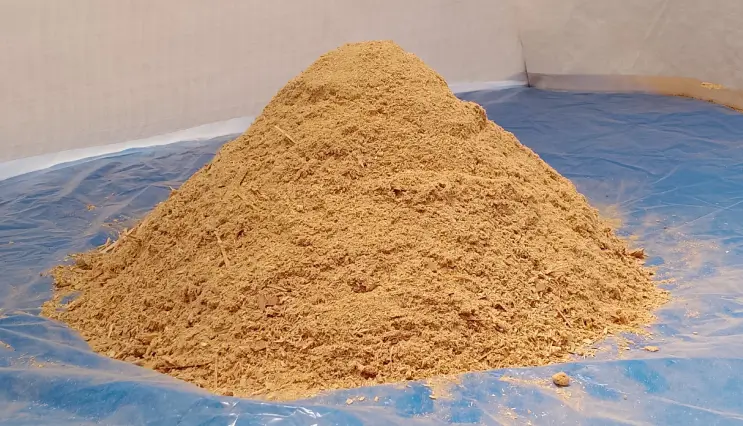
Here we look at drying the wood residues that feed pellet plants, boilers, gasifiers and board mills: sawdust, wood chips, shavings, bark and hog fuel, plus pre-drying and cooling within biomass pellet lines. They are grouped because they share combustible dust, variable particle size and seasonal moisture swings. Fresh material typically arrives at 30–65% moisture. Targets range from 8–12% for sawdust bound for pellet mills to 25–35% for bark burned as hog fuel. The buyer's main problem is holding output moisture steady while keeping fire risk under control.
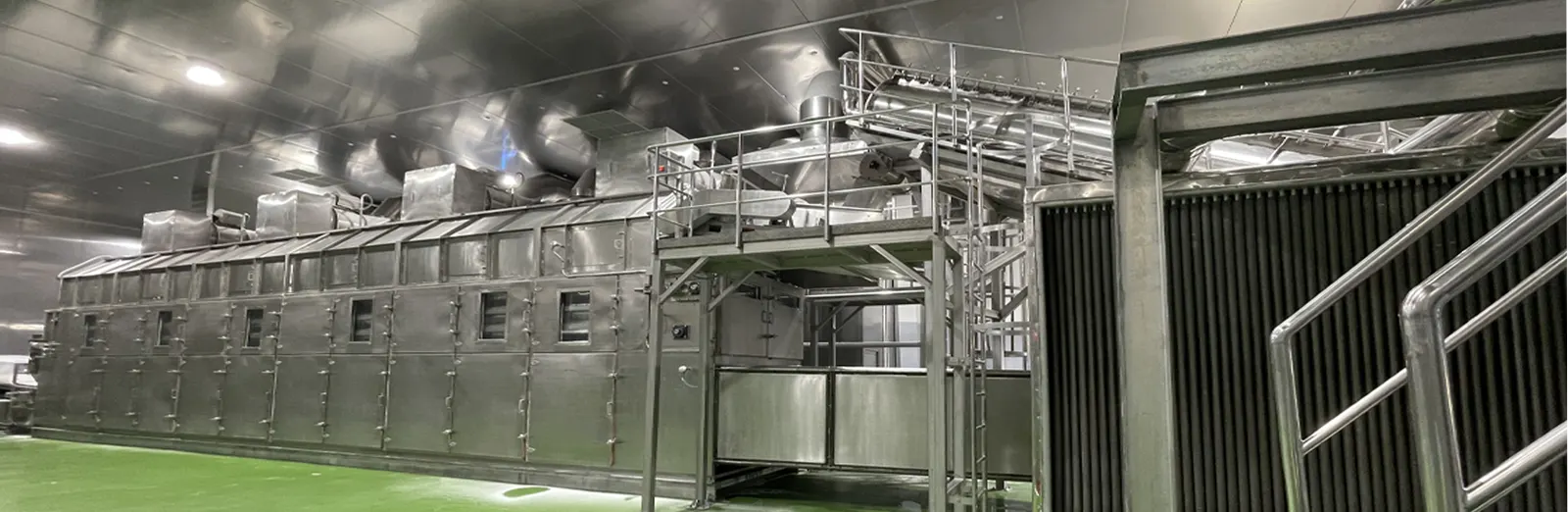
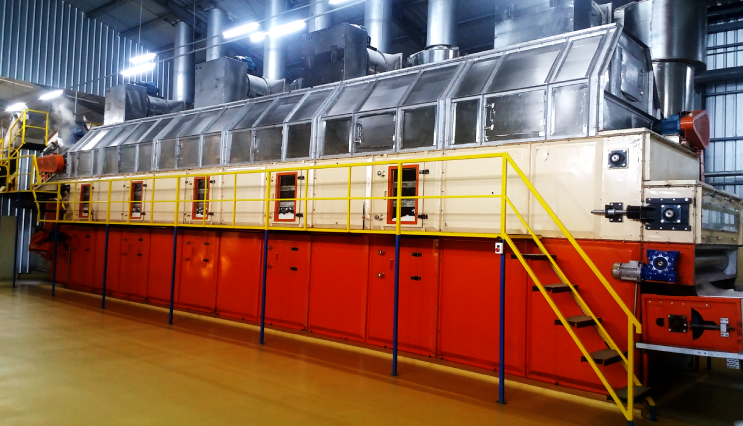
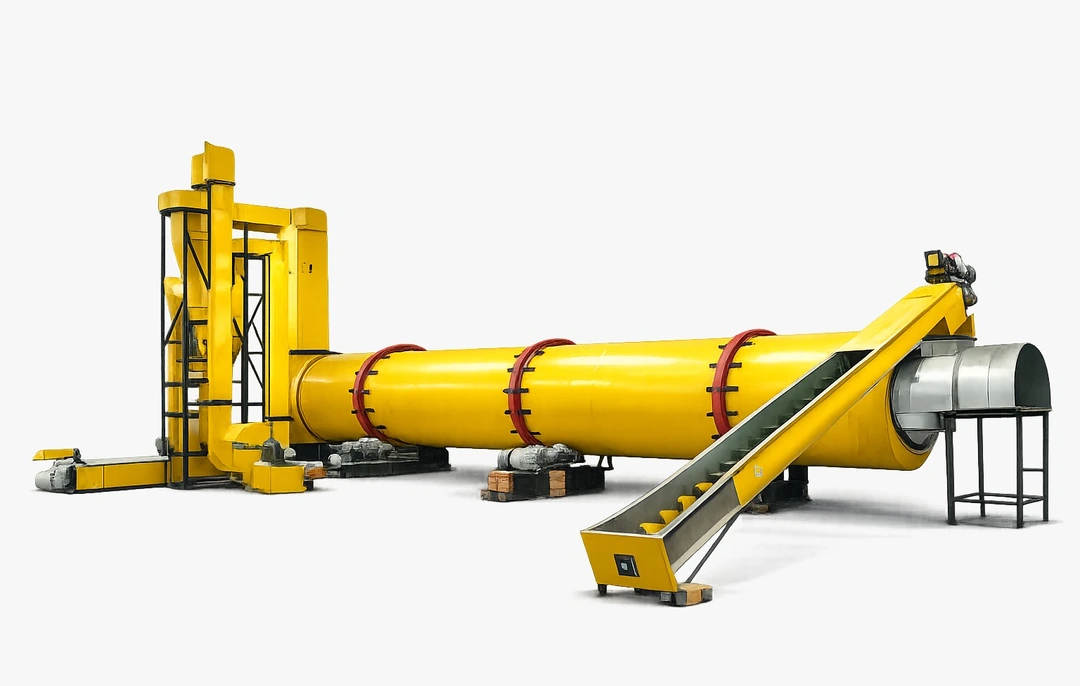
For wood, sawdust & pellet lines, GEM most often specifies the Mesh Belt Dryer (Meshotherm) and Rotary Dryer. Moisture targets differ by material, so the table below lists typical feed and target moisture for each of the 6 materials in this group, and every project is confirmed on your own sample in a pilot trial.
Wood, Sawdust & Pellet Lines: moisture and dryer by material
| Material | Feed moisture | Target | Recommended dryer |
|---|---|---|---|
| Sawdust | 40–55% | 8–12% | Mesh Belt Dryer |
| Wood Chips | 45–55% | 10–20% | Mesh Belt Dryer |
| Wood Shavings | 30–50% | 10–15% | Mesh Belt Dryer |
| Bark & Hog Fuel | 50–65% | 25–35% | Rotary Dryer |
| Biomass Pellets (Pre-Drying) | 40–55% | 10–12% | Rotary Dryer / Mesh Belt Dryer |
| Biomass Pellet Cooling | Pilot trial | To spec | Industrial Cooler |
Typical values. Your material is confirmed in a pilot trial before sizing.
Which dryer for which material
Sawdust, wood chips and shavings point to the Mesh Belt Dryer (Meshotherm), which dries at moderate air temperature and suits light, low-density material and fire-sensitive dust. Flash, Rotary and Hybrid Belt + Fluid Bed (Aerodryve) dryers are the alternates. Stringy bark and hog fuel favour a Rotary Dryer because tumbling copes with tangling fibres, with Mesh Belt and Rotary Cascade Dryers as options. For pellet line pre-drying, a Rotary Dryer or Mesh Belt Dryer is recommended. Finished pellets go to an Industrial Cooler, with a Mesh Belt Dryer as the alternate.


What makes wood, sawdust & pellet lines hard to dry
- Fine sawdust dries in seconds and can smoulder if overheated, so fire detection, suppression and venting must be engineered into the dryer, ducts and cyclones from day one.
- Mixed chip sizes leave fines over-dried and thick pieces wet at the core, which pellet mills and gasifiers both handle poorly.
- Shavings are so light that they need large dryer volume per tonne and lift easily into the exhaust if air velocity is set too high.
- Freshly pressed pellets stay soft until the lignin sets, and uneven cooling leaves warm pockets that condense moisture and cause mould in silos.
Why it pays back
For pellet and briquette producers, steady dryer output keeps the pellet mill inside its narrow moisture window, improving pellet quality and reducing rejects. For boiler and kiln users, drier fuel delivers more usable heat per tonne and steadier combustion. In both cases, a correctly sized dryer turns low-value residue into a fuel or board furnish that commands a better price.
Sawdust & Wood Chip Dryers: questions buyers ask
Mesh belt dryer or rotary dryer for sawdust and wood chips?
Can one dryer feed both a pellet mill and a boiler?
Can one dryer handle sawdust, chips and bark across the seasons?
Send us a sample. See it dried.
We trial your material in our pilot facility before any equipment decision, then size the dryer from real data.
- Tell us the material, moisture and throughput.
- An engineer confirms the trial plan and sample shipping.
- You get drying data and a sized recommendation with a budget quotation.
Material not listed? Talk to our technical expert.
Describe it in the form, or message an engineer directly.
