Battery Materials

Battery Materials Drying

Battery materials drying covers wet cakes of NCM hydroxide precursor, lithium carbonate and hydroxide, iron phosphate and other cathode and anode inputs. Cell makers specify very low magnetic contamination, tight moisture and stable particle morphology, so drying equipment design focuses on material contact, sealing and gentle handling.

Quick answer

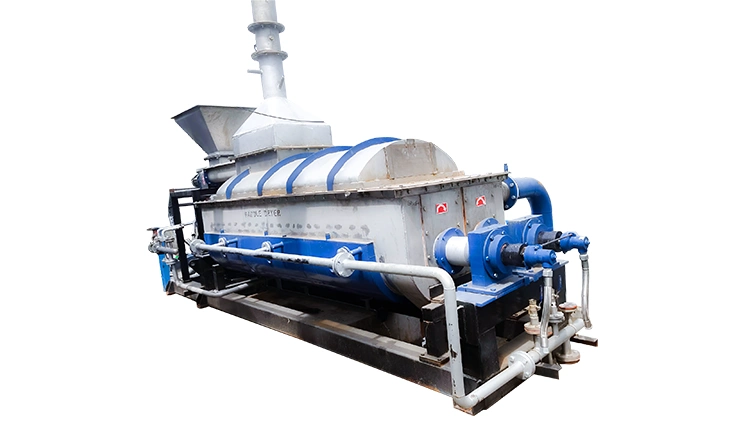
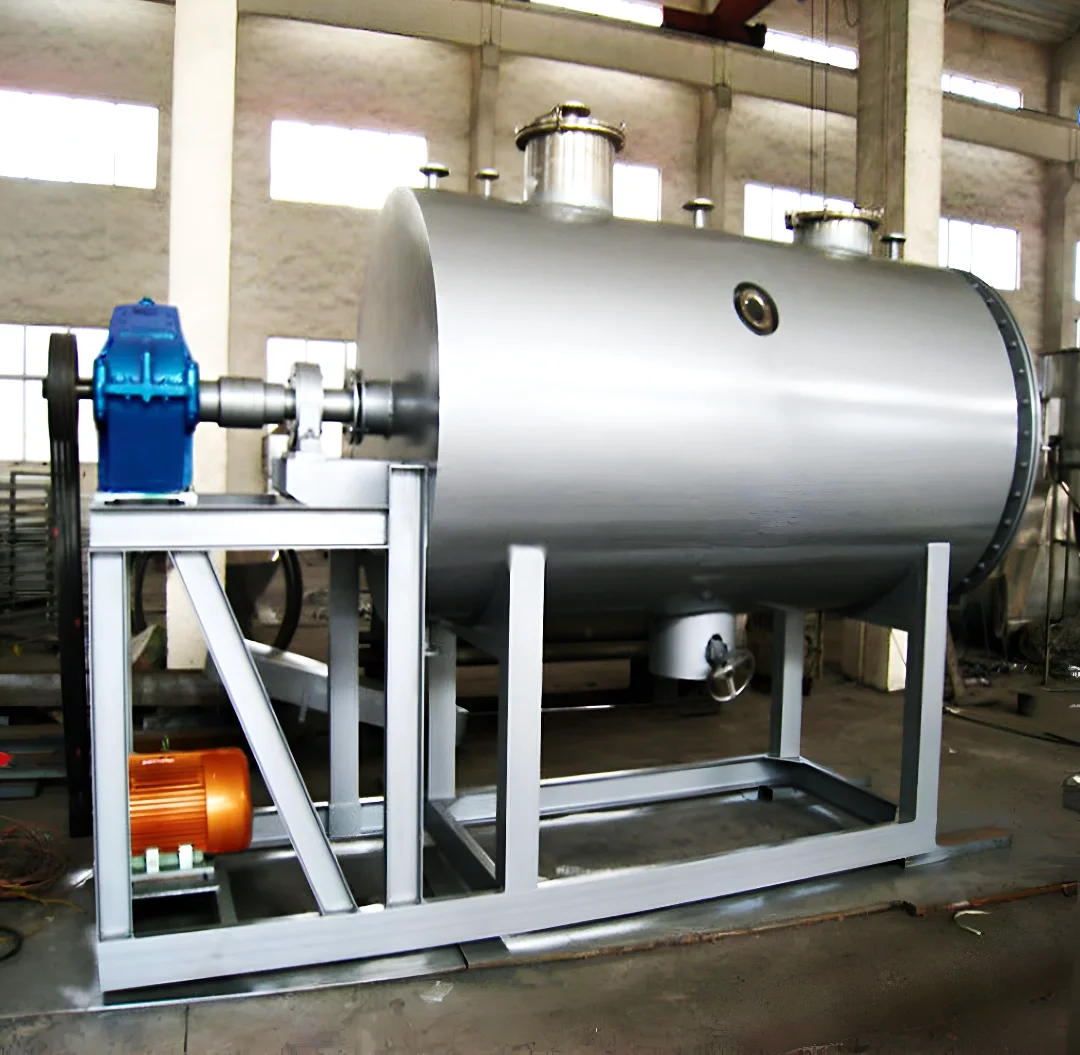
To dry battery materials, GEM recommends the Paddle Dryer and Rotary Vacuum Dryer. Flash Dryer and Combination Fluid Bed Dryer are used when the feed or site calls for it. Every project starts with a pilot trial on your own sample.

1998established112+installations7countriesDried & Testedin-house pilot trialsCertifications · Case studies
The challenge

What makes Battery Materials hard to dry

  • Metallic and magnetic particles from equipment wear can cause cell defects and lot rejection.
  • Nickel and cobalt compound dust is toxic, requiring sealed drying and fine filtration.
  • Spherical precursor particles fracture under heavy mechanical agitation, lowering tap density and affecting electrode performance.
  • Lithium hydroxide absorbs carbon dioxide from air during drying, forming lithium carbonate impurities that buyers reject.
How GEM dries it

The right dryer for Battery Materials

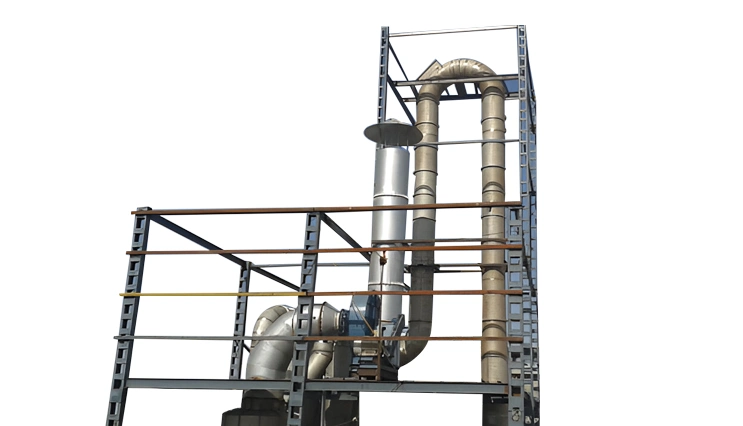
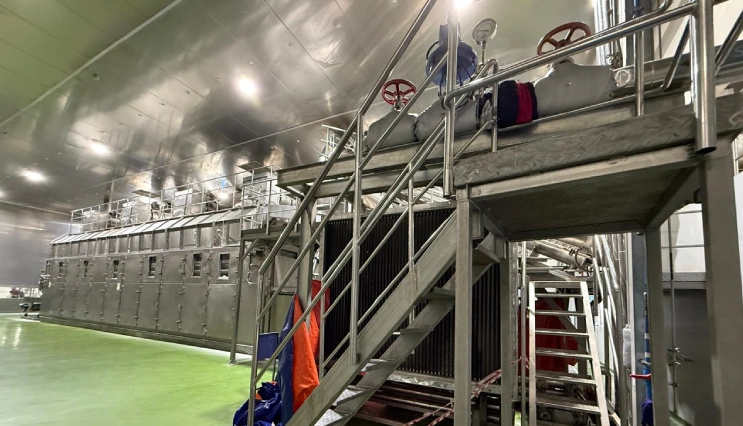
A sealed paddle dryer or rotary vacuum dryer gives indirect, low-gas drying with containment and inert gas options. Flash and fluid bed dryers are used for free-flowing lithium salts or iron phosphate where morphology is robust and dust is well controlled.

Recommended dryerPaddle Dryer, Rotary Vacuum Dryer
AlternativesFlash Dryer, Combination Fluid Bed Dryer
Application areaChemicals & Salts
IndustriesChemicals & Specialty Chemicals, Minerals, Mining & Ceramics
The value

What drying Battery Materials unlocks

Battery grades sell on purity and consistency, so equipment that avoids contamination and keeps morphology on target protects premium pricing and reduces costly rejection by cell makers.

Dried Battery Materials becomes

  • NCM and NCA precursor for cathodes
  • Battery-grade lithium carbonate
  • Lithium iron phosphate (LFP) powder
  • Recycled black mass products
For buyers

Buying a Battery Materials dryer?

Plants searching for a battery materials dryer or comparing a cathode precursor drying usually need three answers: which dryer fits, what it costs to run, and how fast it pays back. For Battery Materials, we start from your throughput, current moisture and the target, trial a sample on the Paddle Dryer, and return a sized recommendation with a budget quotation for your chemicals and minerals operation.

FAQ

Battery Materials: questions buyers ask

How do you limit metal contamination in battery dryers?
Contact parts use suitable stainless steel or coatings, with designs that avoid metal-to-metal wear near product. Targets follow your customer's specification. Magnetic separators can be added at dryer discharge.
Can lithium hydroxide be dried without carbonate formation?
Drying under vacuum or inert gas reduces contact with carbon dioxide. A trial checks carbonate pick-up. Nitrogen sweep and closed transfers further limit carbon dioxide contact and keep carbonate content within specification.
Related

Related materials

Compare all 31 materials in Chemicals & Salts.

Send us a sample. See it dried.

We trial your material in our pilot facility before any equipment decision, then size the dryer from real data.

  1. Tell us the material, moisture and throughput.
  2. An engineer confirms the trial plan and sample shipping.
  3. You get drying data and a sized recommendation with a budget quotation.

Material not listed? Talk to our technical expert.

Describe it in the form, or message an engineer directly.

Request a trial or quotation

    An engineer replies within one working day. We never share your details.

    whatsapp