Cobalt sulphate drying removes surface moisture from red heptahydrate crystals produced for battery cathode precursors, plating and pigments. The crystals lose water of crystallisation easily, the dust is classed as a carcinogen and sensitiser, and battery buyers set strict limits on magnetic and metallic contamination.
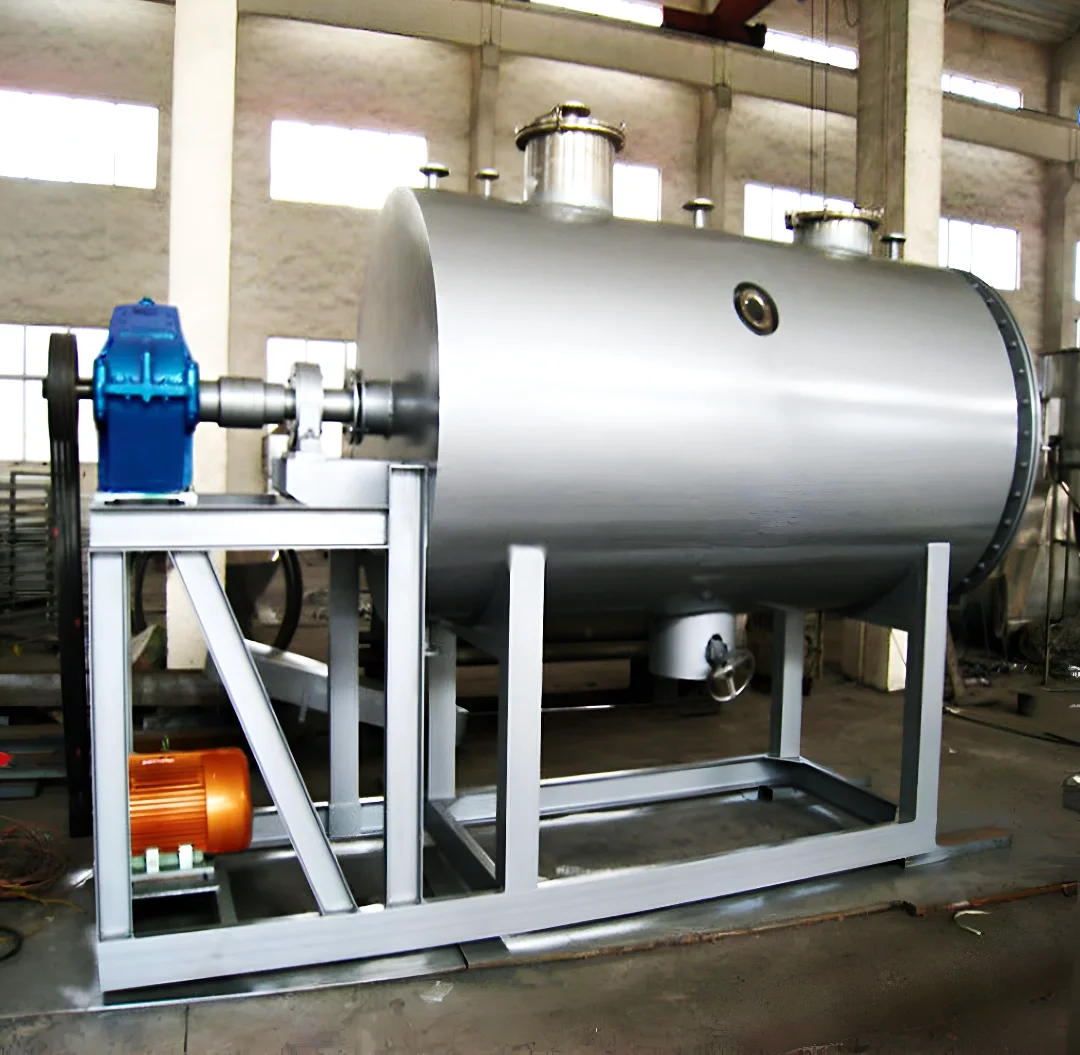
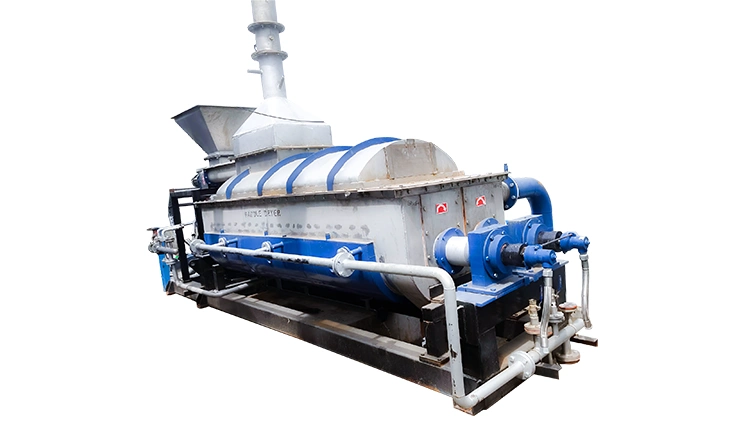
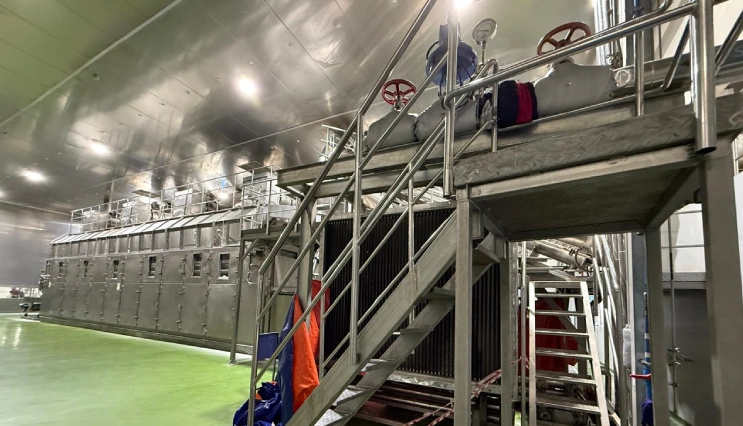
To dry cobalt sulphate, GEM recommends the Rotary Vacuum Dryer and Paddle Dryer. Combination Fluid Bed Dryer is used when the feed or site calls for it. Every project starts with a pilot trial on your own sample.
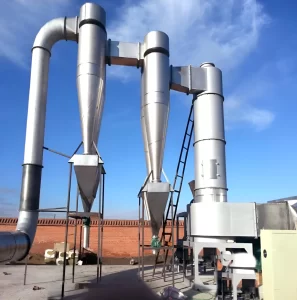
A rotary vacuum dryer or a sealed paddle dryer removes surface moisture at low temperature with no open dust path, protecting operators and assay. A closed-loop fluid bed with fine filtration is considered for larger continuous plants.
| Typical feed moisture | 2–5% |
| Recommended dryer | Rotary Vacuum Dryer, Paddle Dryer |
| Alternatives | Combination Fluid Bed Dryer |
| Application area | Chemicals & Salts |
| Industries | Chemicals & Specialty Chemicals |
Battery precursor buyers pay for consistent assay and very low contaminants. Sealed drying also reduces the exposure risk and regulatory scrutiny that come with handling cobalt compounds.
Plants searching for a cobalt sulphate dryer or comparing a cobalt sulphate crystal drying usually need three answers: which dryer fits, what it costs to run, and how fast it pays back. For Cobalt Sulphate, we start from your throughput, current moisture (typically 2–5%) and the target, trial a sample on the Rotary Vacuum Dryer, and return a sized recommendation with a budget quotation for your chemicals operation.
We trial your material in our pilot facility before any equipment decision, then size the dryer from real data.
Describe it in the form, or message an engineer directly.