Ferrous sulphate drying usually starts from green heptahydrate crystals, a by-product of titanium dioxide and steel pickling, and dehydrates them to the monohydrate sold to fertilizer and feed makers. The heptahydrate melts in its own crystal water on heating and oxidises to brown ferric salts if handled carelessly.
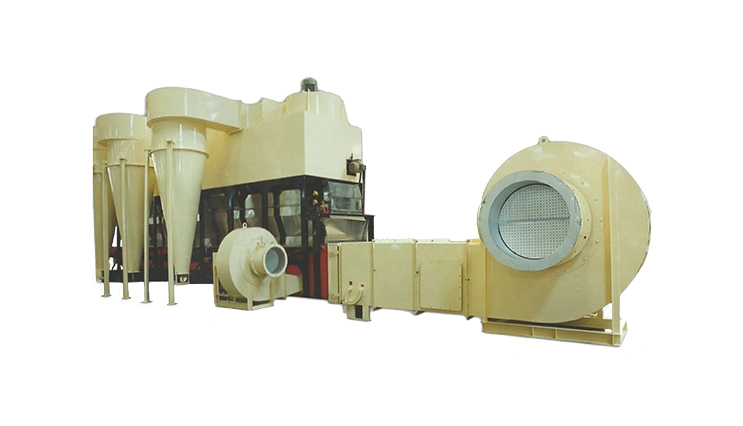
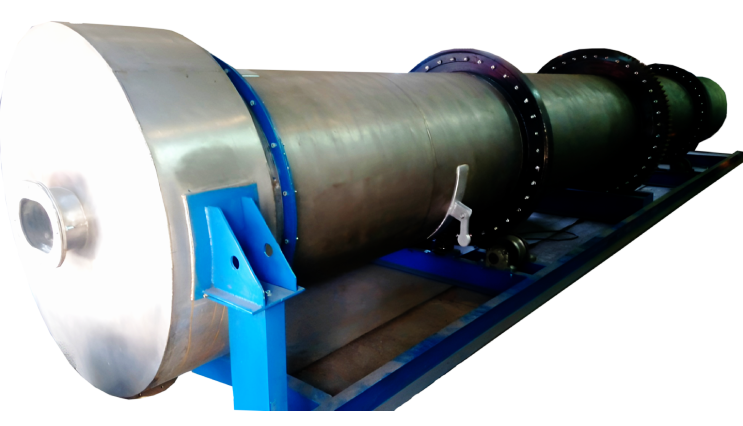
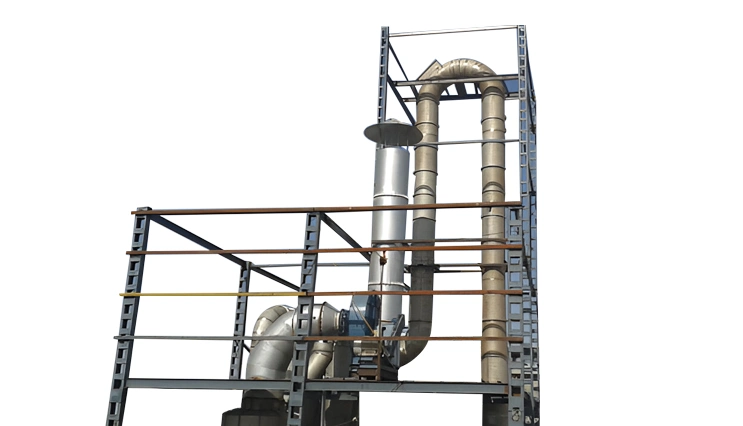
To dry ferrous sulphate, GEM recommends the Vibratory Fluid Bed Dryer and Direct / Indirect Rotary Dryer. Flash Dryer is used when the feed or site calls for it. Every project starts with a pilot trial on your own sample.
A vibratory fluid bed with staged temperatures removes bound water progressively and avoids melting. An indirect rotary dryer handles acidic, lumpy by-product copperas with less gas contact and oxidation; flash drying suits fine, pre-dried material.
| Recommended dryer | Vibratory Fluid Bed Dryer, Direct / Indirect Rotary Dryer |
| Alternatives | Flash Dryer |
| Application area | Chemicals & Salts |
| Industries | Chemicals & Specialty Chemicals, Fertilizers & Agrochemicals |
Converting waste copperas to monohydrate cuts its weight by close to 40% through water removal and turns a disposal problem into a feed and fertilizer product with steady demand.
Plants searching for a ferrous sulphate dryer or comparing a ferrous sulphate monohydrate plant usually need three answers: which dryer fits, what it costs to run, and how fast it pays back. For Ferrous Sulphate, we start from your throughput, current moisture and the target, trial a sample on the Vibratory Fluid Bed Dryer, and return a sized recommendation with a budget quotation for your chemicals and fertilizers operation.
We trial your material in our pilot facility before any equipment decision, then size the dryer from real data.
Describe it in the form, or message an engineer directly.