Metal hydroxide sludge drying treats the precipitate formed when electroplating, anodising, galvanising and PCB effluent is neutralised. The cake holds nickel, copper, zinc, chromium or iron hydroxides in a gelatinous matrix with much bound water. Dry sludge is lighter to ship and can be sold to metal recyclers and smelters that pay according to metal content.
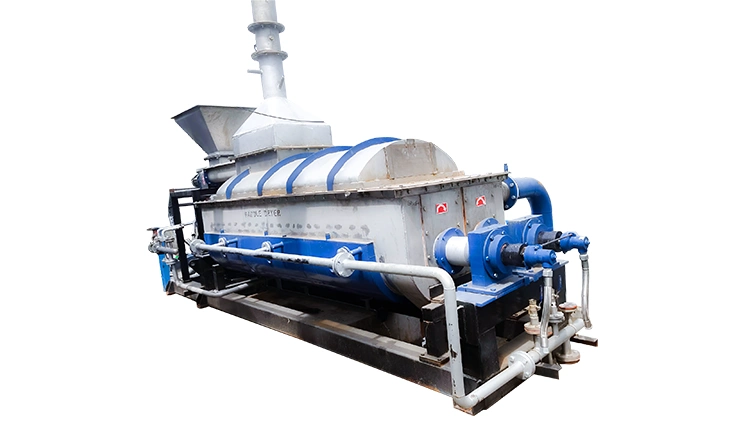
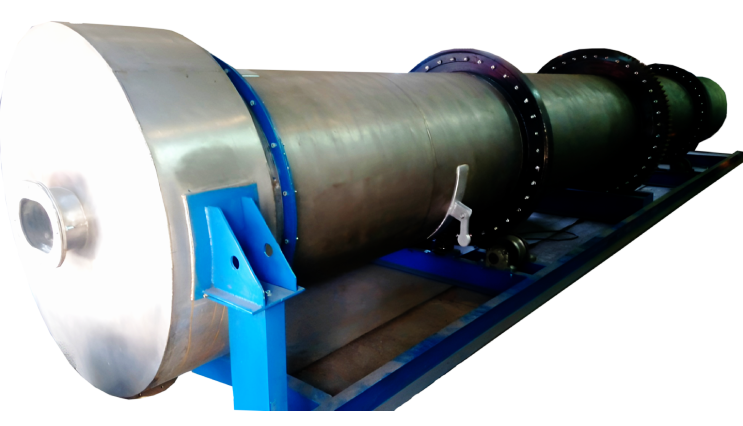
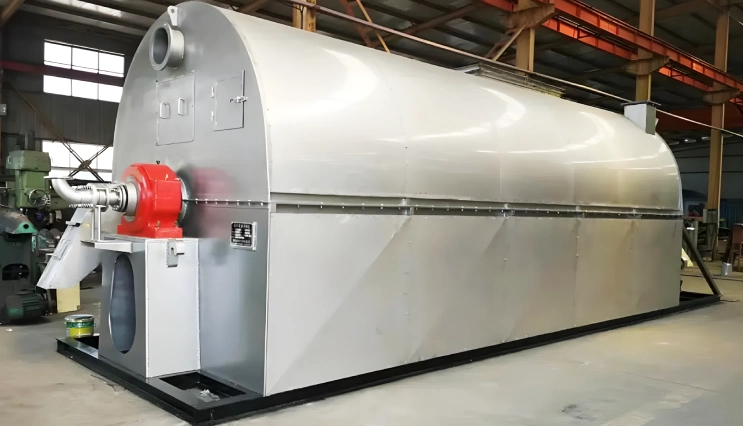
To dry metal hydroxide sludge, GEM recommends the Paddle Dryer. Typical moisture is 65–80% in the feed and 10–20% after drying. Direct / Indirect Rotary Dryer and Rotary Tube Bundle Dryer are used when the feed or site calls for it. Every project starts with a pilot trial on your own sample.
A paddle dryer handles the sticky hydroxide phase in a closed vessel, so metal-bearing dust stays contained and vapour is condensed. An indirect rotary or tube dryer can serve larger galvanising or metallurgical plants with granular, freer-flowing sludge.
| Typical feed moisture | 65–80% |
| Typical target moisture | 10–20% |
| Recommended dryer | Paddle Dryer |
| Alternatives | Direct / Indirect Rotary Dryer, Rotary Tube Bundle Dryer |
| Application area | Sludge & Biosolids |
| Industries | Wastewater & Environmental, Chemicals & Specialty Chemicals, Minerals, Mining & Ceramics |
Plating sludge is hazardous, and wet cake is mostly water that the generator pays to transport and landfill. Drying reduces that cost and, for nickel or copper rich sludge, can turn disposal into a sale to recyclers.
Plants searching for a metal hydroxide sludge dryer or comparing a electroplating sludge drying usually need three answers: which dryer fits, what it costs to run, and how fast it pays back. For Metal Hydroxide Sludge, we start from your throughput, current moisture (typically 65–80%) and the target (10–20%), trial a sample on the Paddle Dryer, and return a sized recommendation with a budget quotation for your wastewater and chemicals operation.
Compare all 9 materials in ETP & Industrial Sludge or browse the wider Sludge & Biosolids family.
We trial your material in our pilot facility before any equipment decision, then size the dryer from real data.
Describe it in the form, or message an engineer directly.