Tannery sludge drying treats effluent sludge from leather processing, which combines chromium from tanning, lime and sulphide from beamhouse operations, hair, fat and protein. It is hazardous in most countries and expensive to landfill. Drying must reduce weight while keeping chromium in its trivalent form and containing the hydrogen sulphide released as the cake warms.
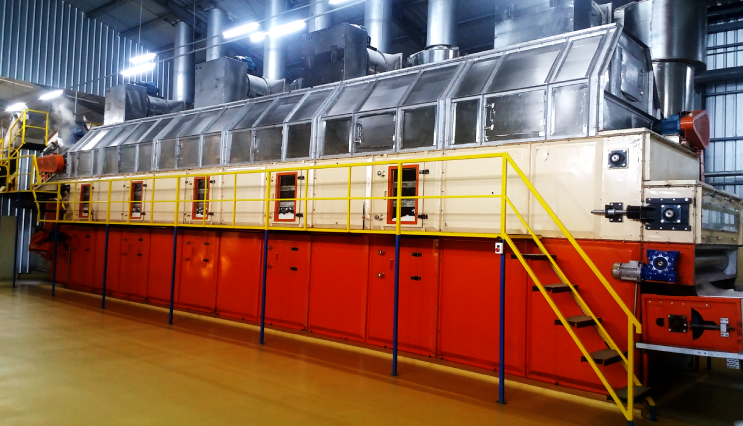
To dry tannery sludge, GEM recommends the Paddle Dryer. Typical moisture is 70–80% in the feed and 10–15% after drying. Rotary Tube Bundle Dryer and Mesh Belt Dryer are used when the feed or site calls for it. Every project starts with a pilot trial on your own sample.
A paddle dryer limits air contact and controls surface temperature, reducing the conditions that favour hexavalent chromium formation, while H2S is captured from a small vapour stream. A Meshotherm belt may suit low-chrome, extrudable sludge where large flows justify it.
| Typical feed moisture | 70–80% |
| Typical target moisture | 10–15% |
| Recommended dryer | Paddle Dryer |
| Alternatives | Rotary Tube Bundle Dryer, Mesh Belt Dryer |
| Application area | Sludge & Biosolids |
| Industries | Wastewater & Environmental, Chemicals & Specialty Chemicals |
Tannery clusters face high TSDF fees and close scrutiny over chromium. Drying reduces landfill tonnage and transport, and a dry, consistent cake opens options for chromium recovery that wet sludge cannot support.
Plants searching for a tannery sludge dryer or comparing a chrome sludge drying usually need three answers: which dryer fits, what it costs to run, and how fast it pays back. For Tannery Sludge, we start from your throughput, current moisture (typically 70–80%) and the target (10–15%), trial a sample on the Paddle Dryer, and return a sized recommendation with a budget quotation for your wastewater and chemicals operation.
Compare all 9 materials in ETP & Industrial Sludge or browse the wider Sludge & Biosolids family.
We trial your material in our pilot facility before any equipment decision, then size the dryer from real data.
Describe it in the form, or message an engineer directly.