Chemical ETP sludge drying handles the precipitates and biomass from effluent plants at dye, intermediate, agrochemical and specialty chemical units. The cake often contains salts, residual organics and occasionally solvent traces, so it is listed as hazardous in most jurisdictions. Drying before dispatch reduces TSDF charges and yields a cake that meets incineration or co-processing feed requirements.
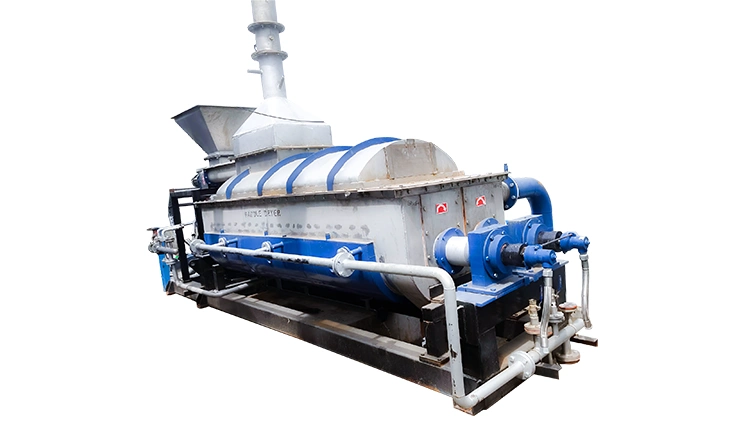
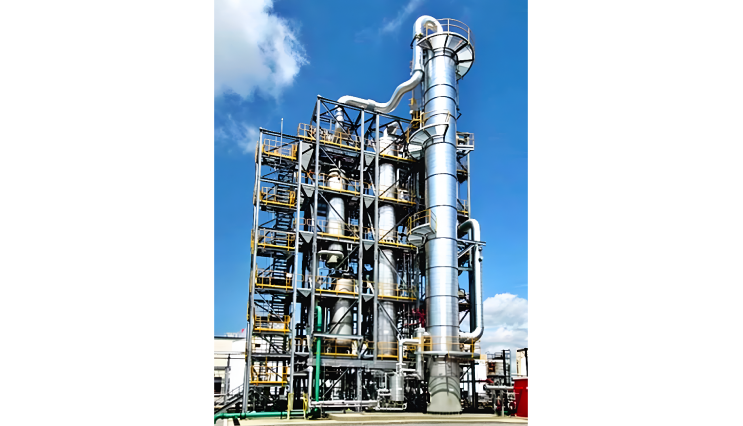
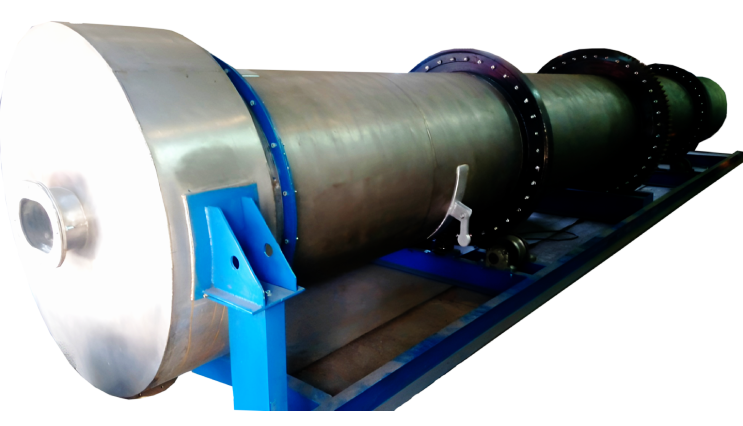
To dry chemical ETP sludge, GEM recommends the Paddle Dryer. Typical moisture is 70–85% in the feed and 10–20% after drying. Agitated Thin Film Dryer and Direct / Indirect Rotary Dryer are used when the feed or site calls for it. Every project starts with a pilot trial on your own sample.
A paddle dryer heats the cake through its jacket and hollow shafts in a closed trough, so organic vapours are condensed instead of entering a large air stream. An ATFD is preferred where the feed is still a pumpable slurry, and an indirect rotary for large, granular flows.
| Typical feed moisture | 70–85% |
| Typical target moisture | 10–20% |
| Recommended dryer | Paddle Dryer |
| Alternatives | Agitated Thin Film Dryer, Direct / Indirect Rotary Dryer |
| Application area | Sludge & Biosolids |
| Industries | Chemicals & Specialty Chemicals, Wastewater & Environmental |
Hazardous waste disposal is one of the larger recurring costs for a chemical unit, billed per tonne. Drying cuts that tonnage, lowers the number of manifests and trips, and reduces leachate and spillage risk in storage.
Plants searching for a chemical sludge dryer or comparing a chemical ETP sludge drying usually need three answers: which dryer fits, what it costs to run, and how fast it pays back. For Chemical ETP Sludge, we start from your throughput, current moisture (typically 70–85%) and the target (10–20%), trial a sample on the Paddle Dryer, and return a sized recommendation with a budget quotation for your chemicals and wastewater operation.
Compare all 9 materials in ETP & Industrial Sludge or browse the wider Sludge & Biosolids family.
We trial your material in our pilot facility before any equipment decision, then size the dryer from real data.
Describe it in the form, or message an engineer directly.