


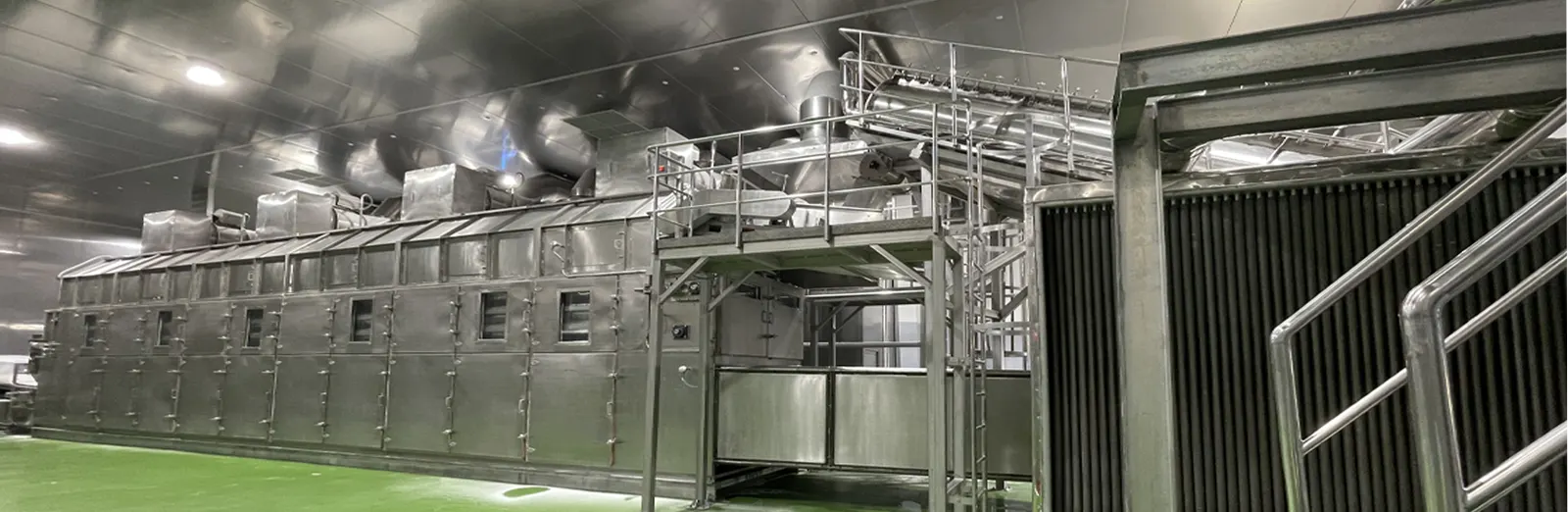
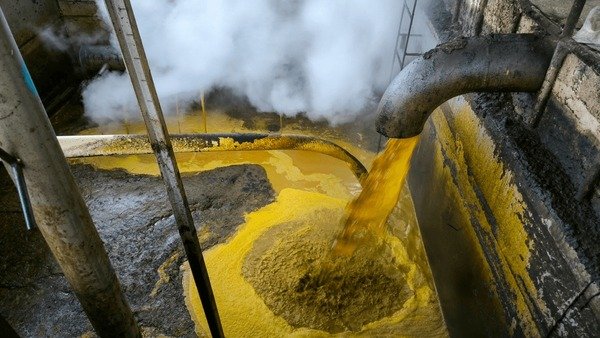
ETP & Industrial Sludge Dryers
This hub covers sludge from effluent treatment plants in chemical, pharmaceutical, textile, dye, tannery, distillery, food and metal finishing units, plus ZLD concentrates. They are grouped because most are hazardous or difficult wastes charged by weight at a TSDF, incinerator or cement kiln. Dewatered cake usually holds anywhere from 65% to 92% moisture depending on the source, ZLD concentrates 55–70%, and drying typically targets 5–20%. Buyers need to cut that tonnage while dealing safely with solvents, odour, salts and metals.
For ETP & industrial sludge, GEM most often specifies the Paddle Dryer and Single / Double Drum Dryer. Moisture targets differ by material, so the table below lists typical feed and target moisture for each of the 9 materials in this group, and every project is confirmed on your own sample in a pilot trial.
ETP & Industrial Sludge: moisture and dryer by material
| Material | Feed moisture | Target | Recommended dryer |
|---|---|---|---|
| Chemical ETP Sludge | 70–85% | 10–20% | Paddle Dryer |
| Pharmaceutical ETP Sludge | 75–85% | 10–15% | Paddle Dryer |
| Molasses-Based ETP Sludge | 80–90% | 8–12% | Paddle Dryer |
| Distillery & Yeast ETP Sludge | 80–88% | 8–12% | Single / Double Drum Dryer / Paddle Dryer |
| Textile ETP Sludge | 70–80% | 10–20% | Paddle Dryer |
| Tannery Sludge | 70–80% | 10–15% | Paddle Dryer |
| Food Processing & DAF Sludge | 80–92% | 5–10% | Paddle Dryer |
| Metal Hydroxide Sludge | 65–80% | 10–20% | Paddle Dryer |
| Industrial Effluent Concentrates (ZLD) | 55–70% | 5–10% | Agitated Thin Film Dryer |
Typical values. Your material is confirmed in a pilot trial before sizing.
Which dryer for which material
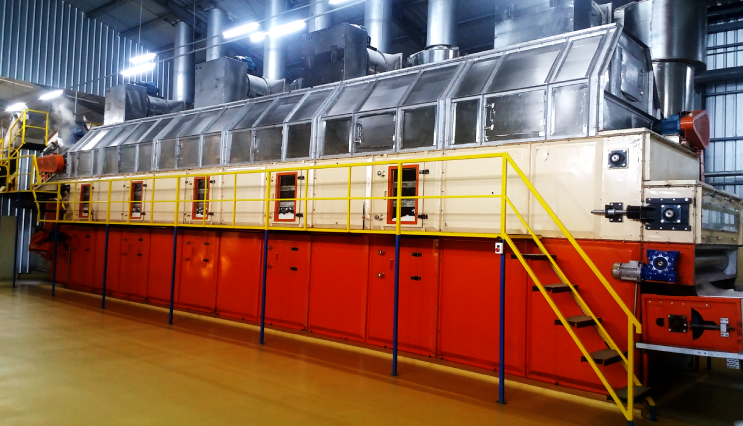
The Paddle Dryer is the primary recommendation for most streams here, including ETP, chemical, pharmaceutical, textile, tannery, food and metal hydroxide sludge. Its enclosed, indirect heating avoids direct hot air where solvents, oil or chromium are present. General industrial sludge can also go to a Mesh Belt Dryer if low-grade heat is on hand. ZLD salt concentrates call for an Agitated Thin Film Dryer, while distillery and yeast sludge suit a Single / Double Drum Dryer or Paddle Dryer. Rotary Tube Bundle and Direct / Indirect Rotary Dryers are alternates for several streams.


What makes ETP & industrial sludge hard to dry
- Solvent, oil or organic residues in chemical and pharmaceutical sludge make open hot-air drying a fire and vapour hazard, pushing buyers towards enclosed indirect dryers.
- Tannery sludge needs controlled temperature and limited oxygen so trivalent chromium is not converted to the hexavalent form, while sulphide demands sealed equipment.
- Molasses, distillery and DAF sludges carry sugars, fats or proteins that caramelise, smoulder or putrefy, so surface temperature and holding time must stay controlled.
- Salt-laden ZLD concentrates and metal hydroxide sludge scale heated walls and produce fine, hazardous dust that has to be captured completely.
Why it pays back
Hazardous sludge disposal is usually billed per tonne, so evaporating most of the water lowers TSDF, incineration and transport charges directly. Dry cake is also easier to store, more readily accepted by cement kilns for co-processing and needs less support fuel when incinerated. For plants under pollution control board scrutiny, an enclosed dryer helps keep odour, vapour and dust within permitted limits.
ETP & Industrial Sludge Dryers: questions buyers ask
Which heat source can an ETP sludge dryer use?
Is a paddle dryer safe for sludge containing solvents?
Can one dryer handle sludge from several effluent streams?
Send us a sample. See it dried.
We trial your material in our pilot facility before any equipment decision, then size the dryer from real data.
- Tell us the material, moisture and throughput.
- An engineer confirms the trial plan and sample shipping.
- You get drying data and a sized recommendation with a budget quotation.
Material not listed? Talk to our technical expert.
Describe it in the form, or message an engineer directly.
