Molasses-based ETP sludge drying handles the sludge settled from anaerobic and aerobic treatment of effluent at molasses distilleries and sugar complexes. It carries melanoidin pigments, residual sugars and notable potassium, making it dark, sticky and slow to release water. Dried properly, it becomes a manageable organic material instead of a wet, odorous stockpile.
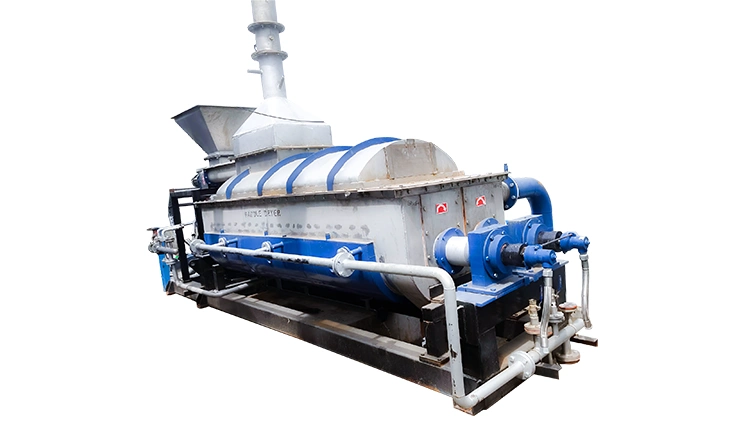
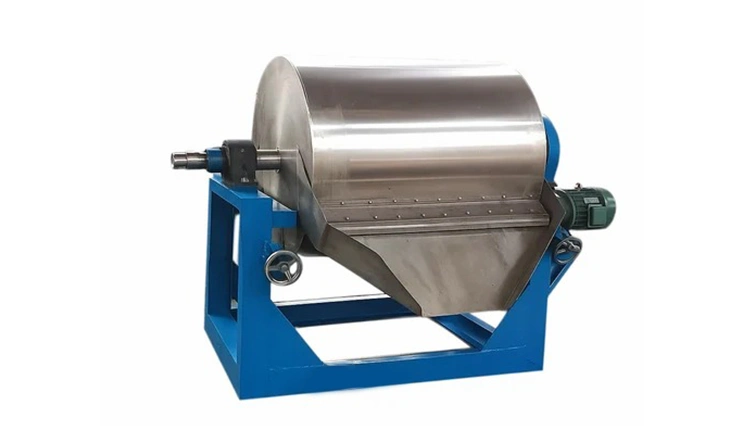
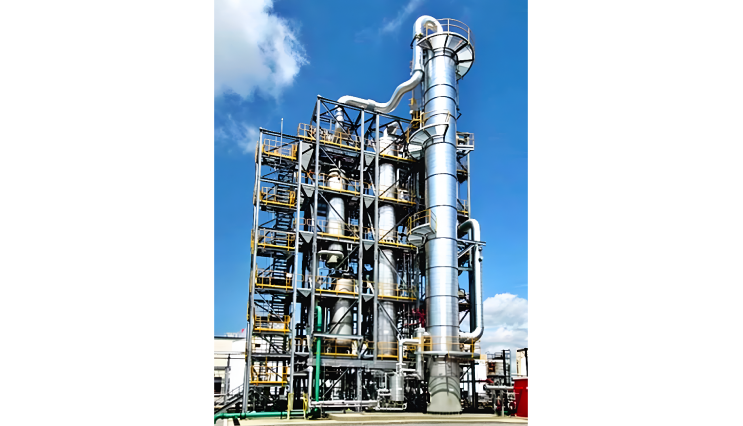
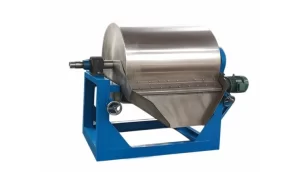
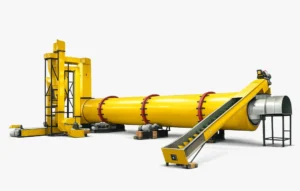
To dry Molasses-Based ETP sludge, GEM recommends the Paddle Dryer. Typical moisture is 80–90% in the feed and 8–12% after drying. Single / Double Drum Dryer and Agitated Thin Film Dryer are used when the feed or site calls for it. Every project starts with a pilot trial on your own sample.
A paddle dryer kneads the sticky molasses sludge through its plastic phase while heat flows indirectly, limiting scorching and odour release. A drum dryer is used when the sludge is pumpable and a thin flake is wanted, and an ATFD for very thin slurries.
| Typical feed moisture | 80–90% |
| Typical target moisture | 8–12% |
| Recommended dryer | Paddle Dryer |
| Alternatives | Single / Double Drum Dryer, Agitated Thin Film Dryer |
| Application area | Sludge & Biosolids |
| Industries | Animal Feed, Breweries & Distilleries, Wastewater & Environmental |
Distilleries face strict discharge rules and pressure to clear sludge stockpiles. Drying cuts volume, controls odour and creates a nutrient-bearing product that local farmers and compost makers can use, recovering some value from a mandatory treatment step.
Plants searching for a molasses sludge dryer or comparing a molasses distillery sludge dryer usually need three answers: which dryer fits, what it costs to run, and how fast it pays back. For Molasses-Based ETP Sludge, we start from your throughput, current moisture (typically 80–90%) and the target (8–12%), trial a sample on the Paddle Dryer, and return a sized recommendation with a budget quotation for your animal feed and wastewater operation.
Compare all 9 materials in ETP & Industrial Sludge or browse the wider Sludge & Biosolids family.
We trial your material in our pilot facility before any equipment decision, then size the dryer from real data.
Describe it in the form, or message an engineer directly.