Distillery and yeast ETP sludge drying covers the biological sludge produced by grain distilleries, breweries and baker's yeast plants. Compared with molasses sludge it is lighter in colour and richer in microbial protein, but forms a slimy, gelatinous cake that holds water tightly. Drying stabilises it before it can putrefy and opens manure, compost and fuel outlets.
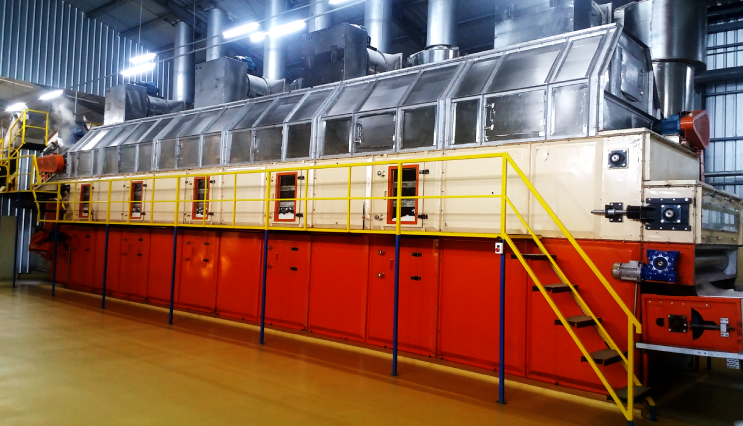
To dry distillery & yeast ETP sludge, GEM recommends the Single / Double Drum Dryer and Paddle Dryer. Typical moisture is 80–88% in the feed and 8–12% after drying. Mesh Belt Dryer is used when the feed or site calls for it. Every project starts with a pilot trial on your own sample.
Drum dryers spread the slimy sludge into a thin film that dries quickly to flakes, avoiding the crusting seen in thick beds. Paddle dryers suit firmer centrifuge cake. A Meshotherm belt becomes an option when cake is dewatered well enough to extrude.
| Typical feed moisture | 80–88% |
| Typical target moisture | 8–12% |
| Recommended dryer | Single / Double Drum Dryer, Paddle Dryer |
| Alternatives | Mesh Belt Dryer |
| Application area | Sludge & Biosolids |
| Industries | Animal Feed, Breweries & Distilleries, Wastewater & Environmental |
Wet biological sludge is costly to store and haul and quickly becomes an odour complaint. Drying gives a stable product that can be stored, bagged or blended, and supports zero liquid discharge and solid waste compliance at the distillery.
Plants searching for a distillery sludge dryer or comparing a yeast sludge drying usually need three answers: which dryer fits, what it costs to run, and how fast it pays back. For Distillery & Yeast ETP Sludge, we start from your throughput, current moisture (typically 80–88%) and the target (8–12%), trial a sample on the Single / Double Drum Dryer, and return a sized recommendation with a budget quotation for your animal feed and wastewater operation.
Compare all 9 materials in ETP & Industrial Sludge or browse the wider Sludge & Biosolids family.
We trial your material in our pilot facility before any equipment decision, then size the dryer from real data.
Describe it in the form, or message an engineer directly.