Yeast and microbial biomass drying covers cell mass harvested from industrial fermentation, including feed yeast, single-cell protein, fungal mycelium and bacterial biomass. It arrives as a cream or press cake, and the drying method depends on whether cells must stay alive or simply be preserved as protein. Producers dry it for storage, shipping and feed or food sale.
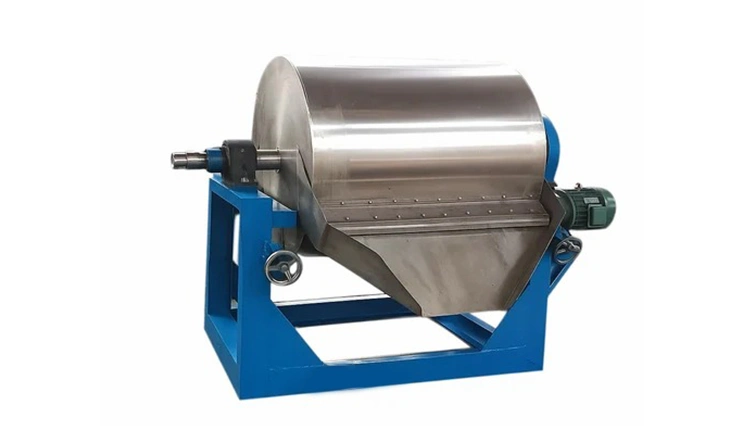
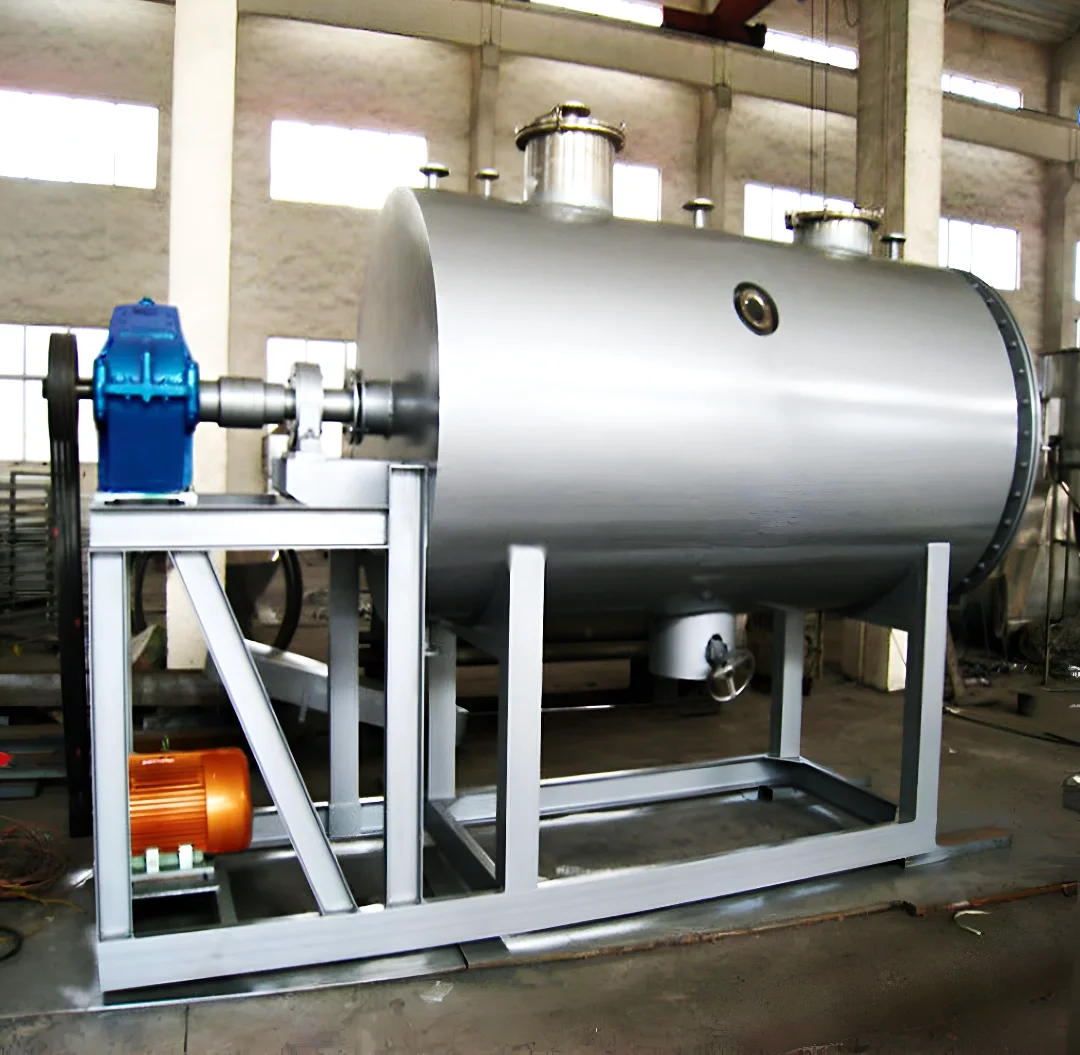
To dry yeast & microbial biomass, GEM recommends the Single / Double Drum Dryer. Typical moisture is 75–85% in the feed and 5–8% after drying. Freeze Dryer / Lyophilizer and Rotary Vacuum Dryer are used when the feed or site calls for it. Every project starts with a pilot trial on your own sample.
Drum dryers spread biomass cream as a thin film for short-contact drying, suiting inactive yeast and single-cell protein. Freeze drying is used where cells must stay viable, and rotary vacuum drying suits heat-sensitive, smaller batches.
| Typical feed moisture | 75–85% |
| Typical target moisture | 5–8% |
| Recommended dryer | Single / Double Drum Dryer |
| Alternatives | Freeze Dryer / Lyophilizer, Rotary Vacuum Dryer |
| Application area | Pomace, Pulp & By-products |
| Industries | Animal Feed, Breweries & Distilleries, Pharmaceuticals & Biotech |
Dry biomass stores and ships far more cheaply than wet cream and can be sold to feed, food and pharmaceutical buyers. The drying choice decides product value, so matching it to the market matters.
Plants searching for a yeast dryer or comparing a microbial biomass drying usually need three answers: which dryer fits, what it costs to run, and how fast it pays back. For Yeast & Microbial Biomass, we start from your throughput, current moisture (typically 75–85%) and the target (5–8%), trial a sample on the Single / Double Drum Dryer, and return a sized recommendation with a budget quotation for your animal feed and pharmaceuticals operation.
Compare all 8 materials in Brewery, Distillery & Beverage By-products or browse the wider Pomace, Pulp & By-products family.
We trial your material in our pilot facility before any equipment decision, then size the dryer from real data.
Describe it in the form, or message an engineer directly.