Dairy starter culture drying preserves the lactic acid bacteria that make yoghurt, cheese and fermented milk. Concentrated cultures are freeze dried with cryoprotectants so dairies can inoculate directly from a sachet, and every lost cell means slower acidification at the customer.
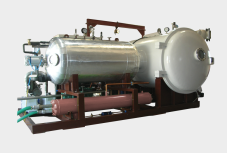
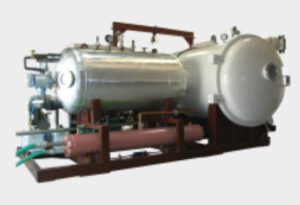
To dry dairy starter cultures, GEM recommends the Freeze Dryer / Lyophilizer. Typical moisture is 80–90% in the feed and 2–4% after drying. Every project starts with a pilot trial on your own sample.
Freeze drying removes water at low temperature with minimal heat stress, which is why it is used for dairy starter cultures. Survival rates from other methods are generally lower, so freeze drying is the standard for direct-vat-set cultures. GEM supplies freeze dryers for food, nutraceutical and non-sterile culture duty; sterile injectable lyophilisation is outside our scope.
| Typical feed moisture | 80–90% |
| Typical target moisture | 2–4% |
| Recommended dryer | Freeze Dryer / Lyophilizer |
| Application area | Pharma & Fine Actives |
| Industries | Pharmaceuticals & Biotech, Food & Beverage |
Freeze-dried cultures ship and store without frozen logistics and keep activity for longer. Higher cell survival lowers cost per active unit and gives dairies faster, more predictable acidification in the vat.
Plants searching for a starter culture freeze dryer or comparing a dairy culture drying usually need three answers: which dryer fits, what it costs to run, and how fast it pays back. For Dairy Starter Cultures, we start from your throughput, current moisture (typically 80–90%) and the target (2–4%), trial a sample on the Freeze Dryer / Lyophilizer, and return a sized recommendation with a budget quotation for your pharmaceuticals and food operation.
We trial your material in our pilot facility before any equipment decision, then size the dryer from real data.
Describe it in the form, or message an engineer directly.