Milk powder and dairy drying on heated drums produces roller-dried milk, a flake-type powder with higher free fat than spray-dried milk. Condensed or homogenised milk is spread as a thin film and dried in seconds. Chocolate makers and bakeries value roller-dried milk for its flavour and flow behaviour, and dairies use drum drying for surplus milk and by-products.
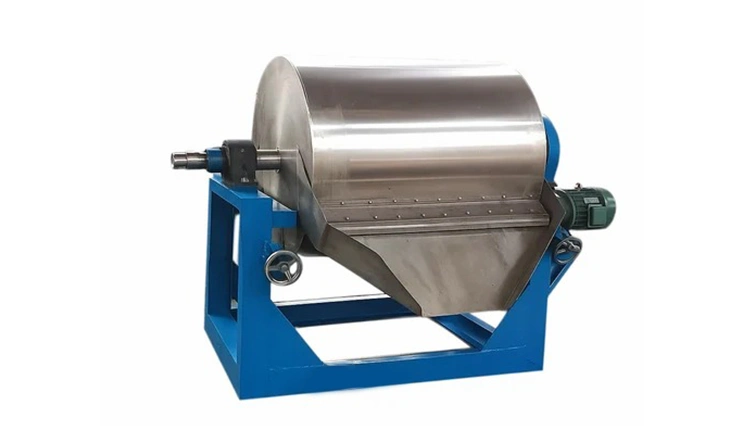
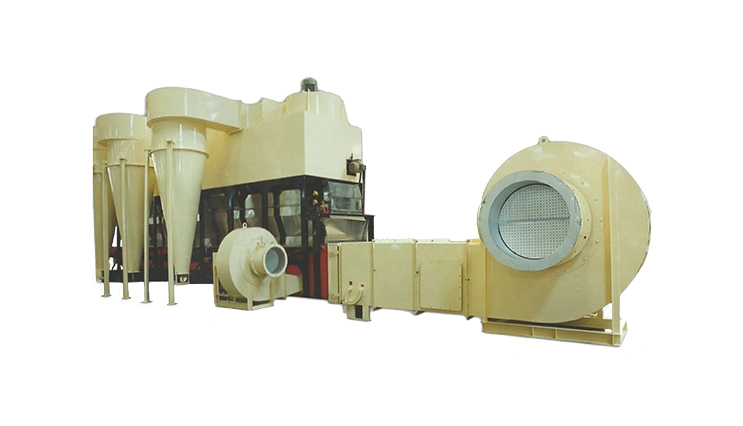
To dry milk powder & dairy, GEM recommends the Single / Double Drum Dryer. Typical moisture is 45–60% in the feed and 3–4% after drying. Vibratory Fluid Bed Dryer and Freeze Dryer / Lyophilizer are used when the feed or site calls for it. Every project starts with a pilot trial on your own sample.
A drum dryer dries pre-concentrated milk in one pass and gives the cooked flavour and free fat chocolate makers seek. A fluid bed cools and conditions powder, while freeze drying is chosen for colostrum and cultures.
| Typical feed moisture | 45–60% |
| Typical target moisture | 3–4% |
| Recommended dryer | Single / Double Drum Dryer |
| Alternatives | Vibratory Fluid Bed Dryer, Freeze Dryer / Lyophilizer |
| Application area | Food Products & Snacks |
| Industries | Food & Beverage |
Drum drying turns surplus or by-product milk into a storable ingredient instead of selling liquid at low prices. Roller-dried milk serves a specialist market where flavour and fat behaviour matter to buyers.
Plants searching for a milk powder drum dryer or comparing a roller dried milk plant usually need three answers: which dryer fits, what it costs to run, and how fast it pays back. For Milk Powder & Dairy, we start from your throughput, current moisture (typically 45–60%) and the target (3–4%), trial a sample on the Single / Double Drum Dryer, and return a sized recommendation with a budget quotation for your food operation.
We trial your material in our pilot facility before any equipment decision, then size the dryer from real data.
Describe it in the form, or message an engineer directly.